Back
Share
Like
place
Article Highlights
Enduring short-term vacancy to uphold strict zoning logic achieved a 141% revenue growth within three years, proving that quality MD curation drives asset value.
Organically linking wholesale grocery, kids' entertainment, and F&B successfully drove a 46% increase in weekend foot traffic and established a thriving 24/7 hybrid hub.
Strategically placing destination anchors along the consumer pathway and utilizing the sunlit atrium boosted dwell time by 27% and increased average transaction value.
Magok was originally a commercial district with clear weaknesses. Although it is a large-scale office cluster, its initial residential population was small (currently, the residential population is robust with Magok+Balsan+Deungchon+Gayang), and floating population would drop sharply on weekends. Even residents who have lived in Magok for over 10 years questioned Magok One Grove, wondering, 'Will this really work?' Now, as the third anniversary of the opening of One Grove approaches, the weekend visitors of One Grove surpass those on weekdays. Although it has been open for less than three years, the average monthly visitors increased by 87% compared to the initial opening period, and sales grew by 141%. The sales increase, which far exceeds the increase in visitors, means that both the average transaction value and the purchase conversion rate have increased together.
One Grove Explained by Numbers
Compared to the initial opening (June 2023), One Grove's performance indicators as of March 2026 exceed expectations. Weekday visitors grew by 103%. This means that the foundation as an office commercial district is firmly established. However, the more notable figure is the 46% increase in weekend and holiday visitors. The weekend demand, which is commonly considered the Achilles' heel of office malls, has come alive.
The average monthly dwell time also increased by 27%. The fact that people stay longer is not simply because there is a lot to see. It means that there is more than one purpose of visit. This is evidence that pathways to stay are actually being created, such as eating lunch, buying a book, stopping by children's English academies, having a cup of coffee, or visiting a hospital or a hair salon.
The Reason the Landlord Accepted Vacancies
The initial strategy of IGIS Asset Management, which operates One Grove, and CBRE Korea Retail, which is in charge of leasing advisory, had an unusual principle. That is, they would not accept tenants that did not fit the concept, even if empty spaces occurred. From the landlord's perspective, vacancy means a loss of revenue. The decision to maintain the merchandising (MD) standard even while bearing that loss was a declaration that they would operate One Grove from the perspective of long-term asset value enhancement, rather than maximizing short-term rental revenue.
The commercial facility concept of One Grove is 'One Forest.' A space where scale and diversity coexist while organically functioning like a single ecosystem. In the process of melting this concept into the actual tenant composition, what IGIS and the CBRE Retail Team put the most effort into was the logic of zoning. Rather than what brand to put in, what brand is placed in which position and in what order determines the character of the space.
The decision to separate the office-only escalator is in the same context. Even if they gave up part of the retail rental area, they secured a separate sense of openness for the retail space while protecting the security and privacy of office residents. It was a decision that chose the quality of space over revenue maximization.
Insight by Ryan Kim, Head of CBRE Korea Retail
"I believe that the initial principles and efforts to avoid tenants that did not fit the concept and zoning, even if some vacancies occurred, have resulted in current achievements. The 141% sales growth is a figure showing that One Grove proves the value of retail assets is determined by the quality of MD planning."
Melting the Magok Living Zone into Software
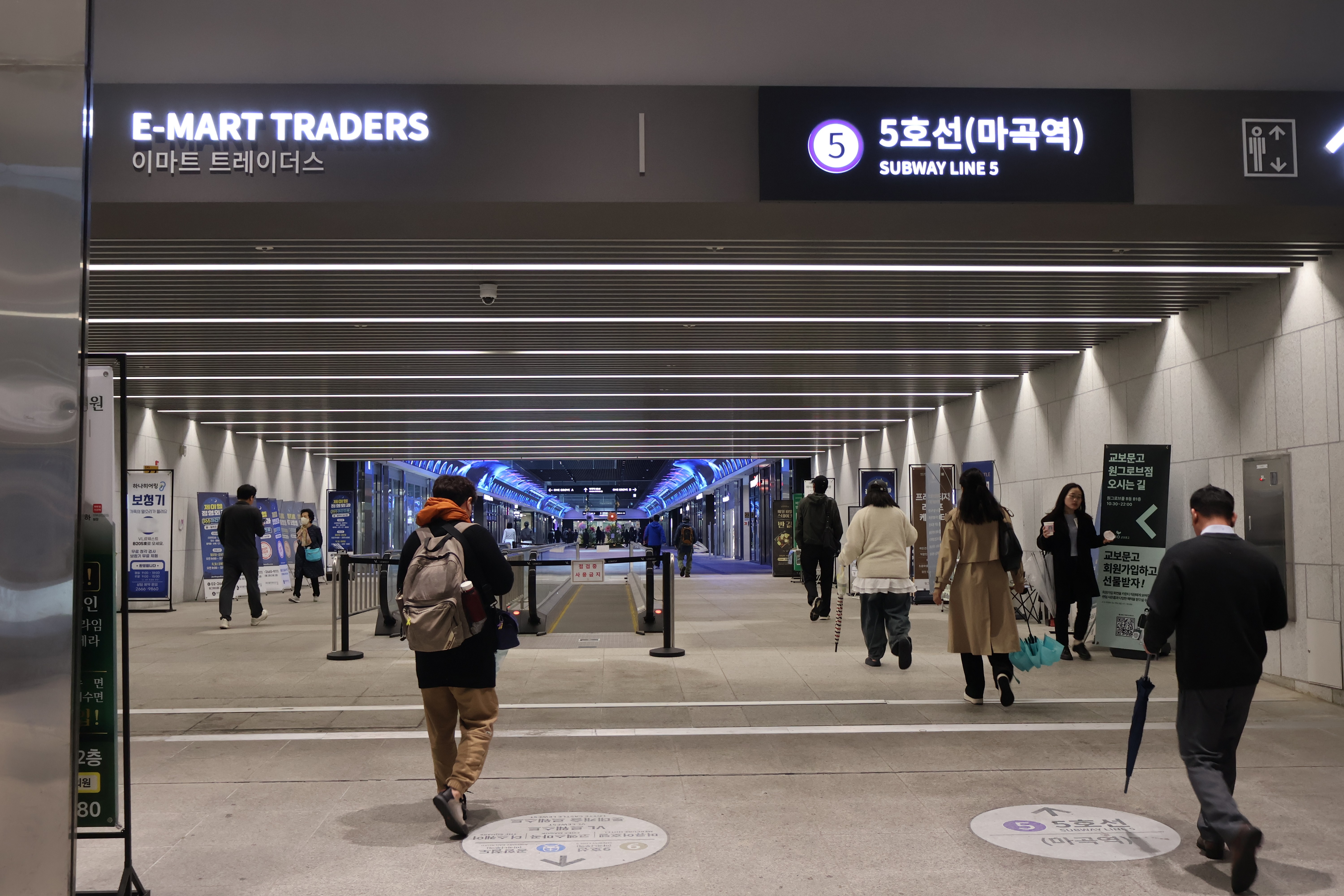
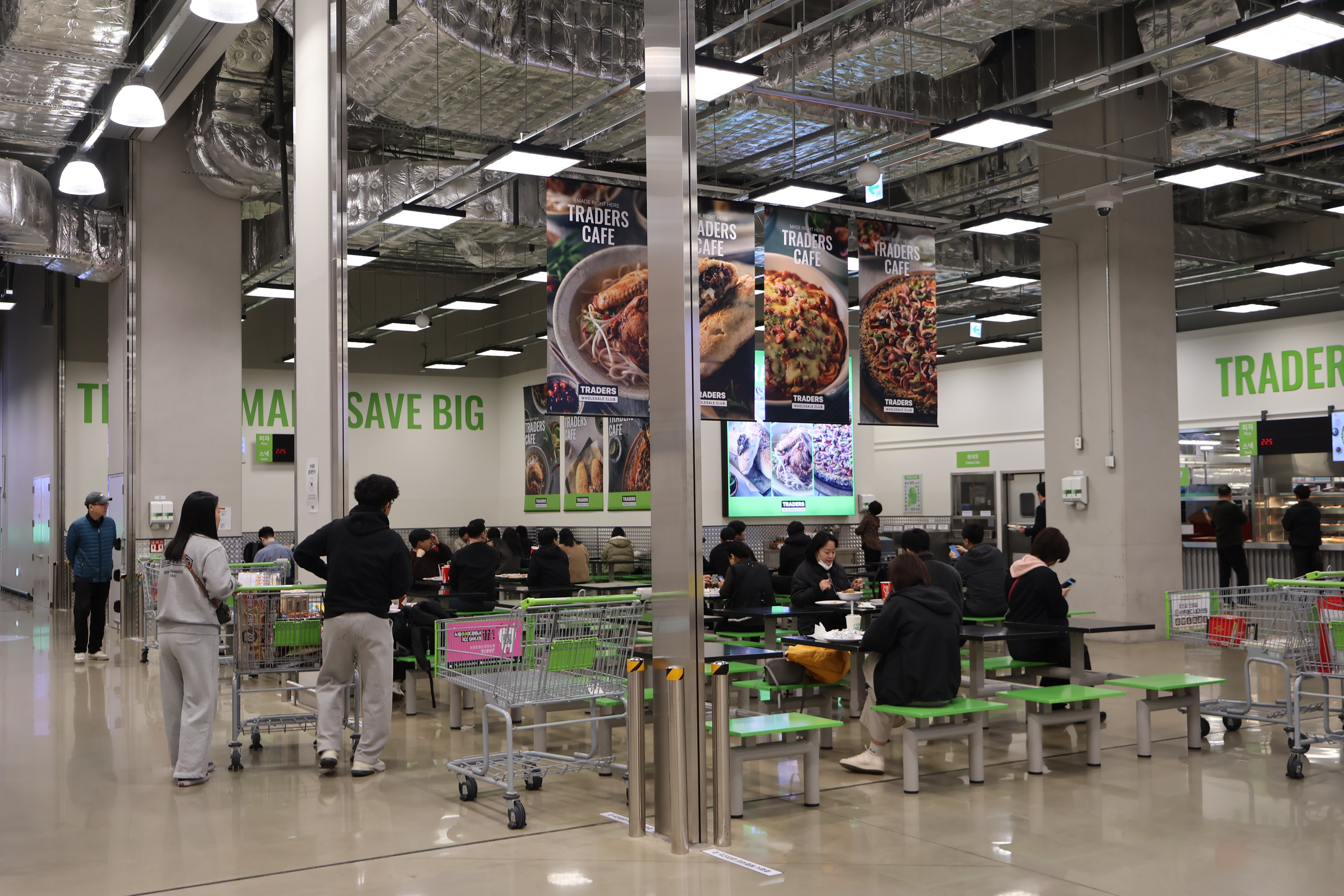
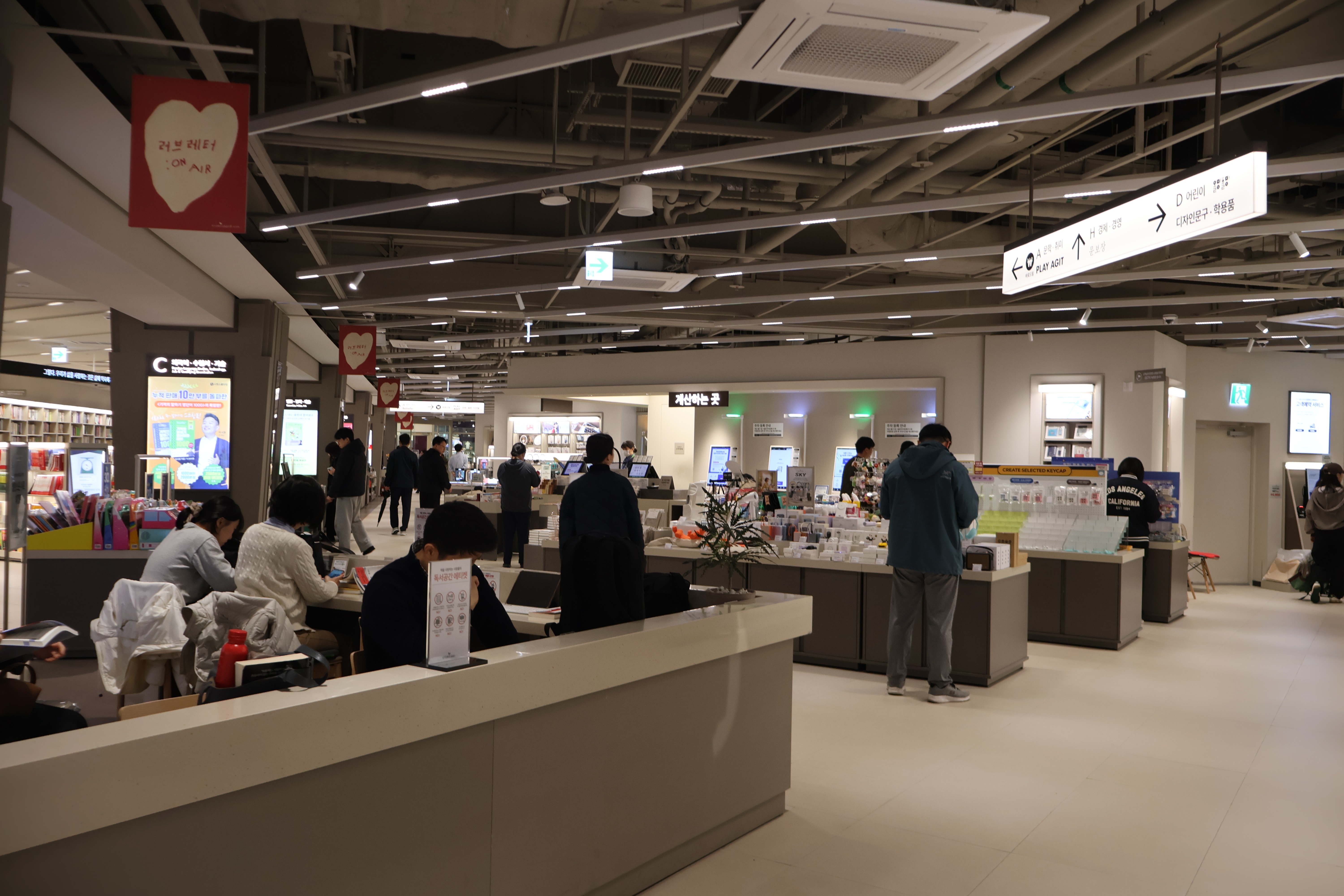
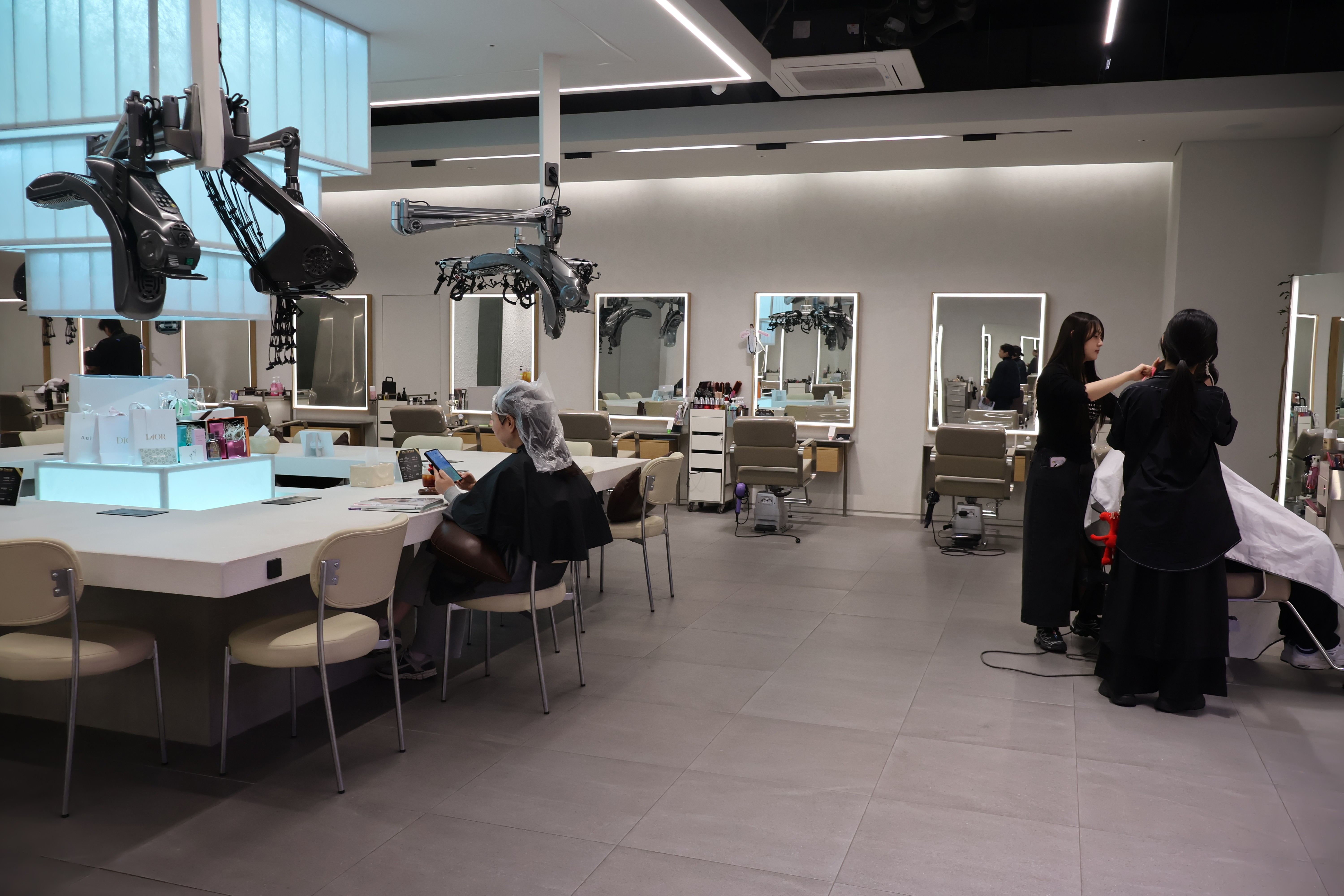
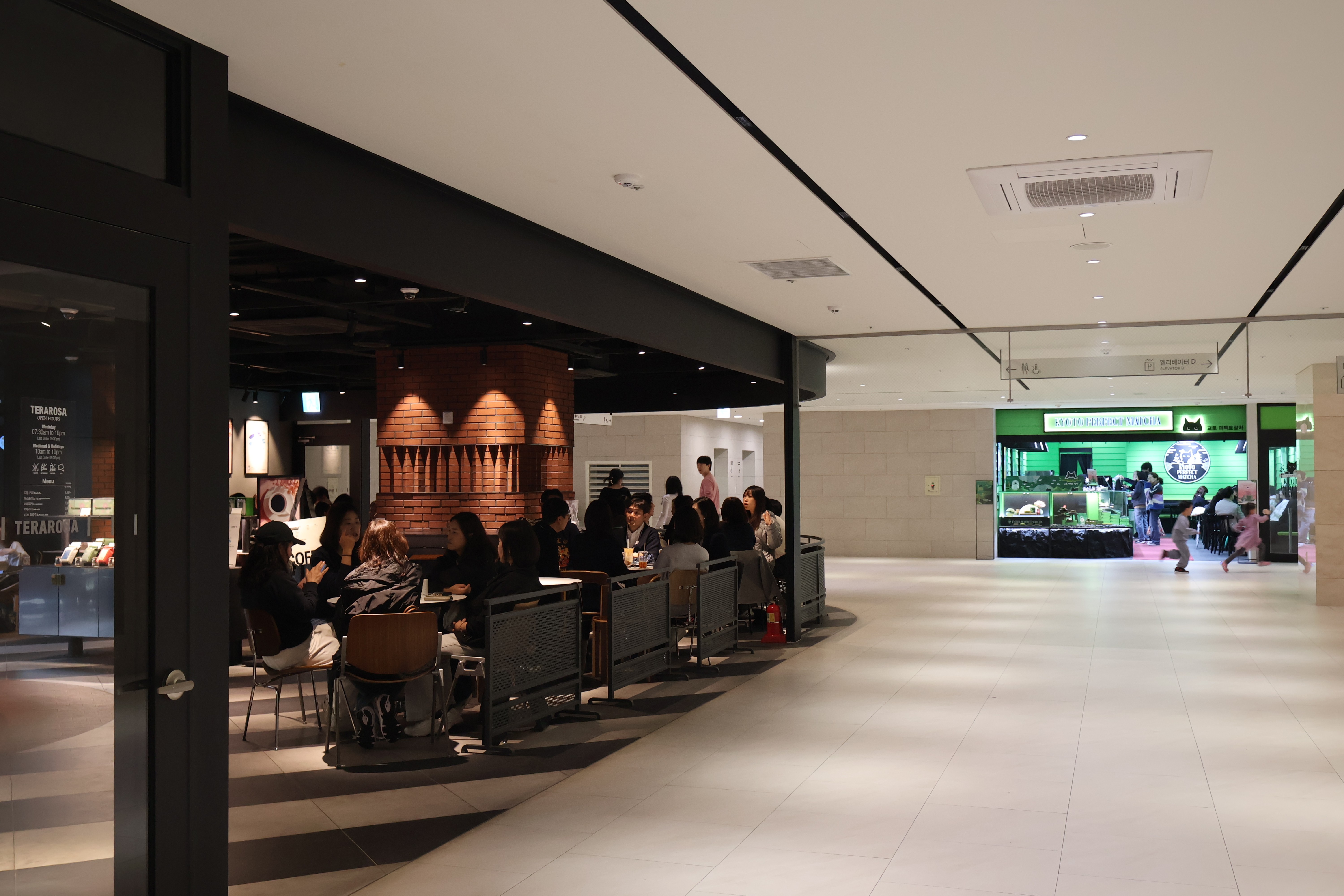
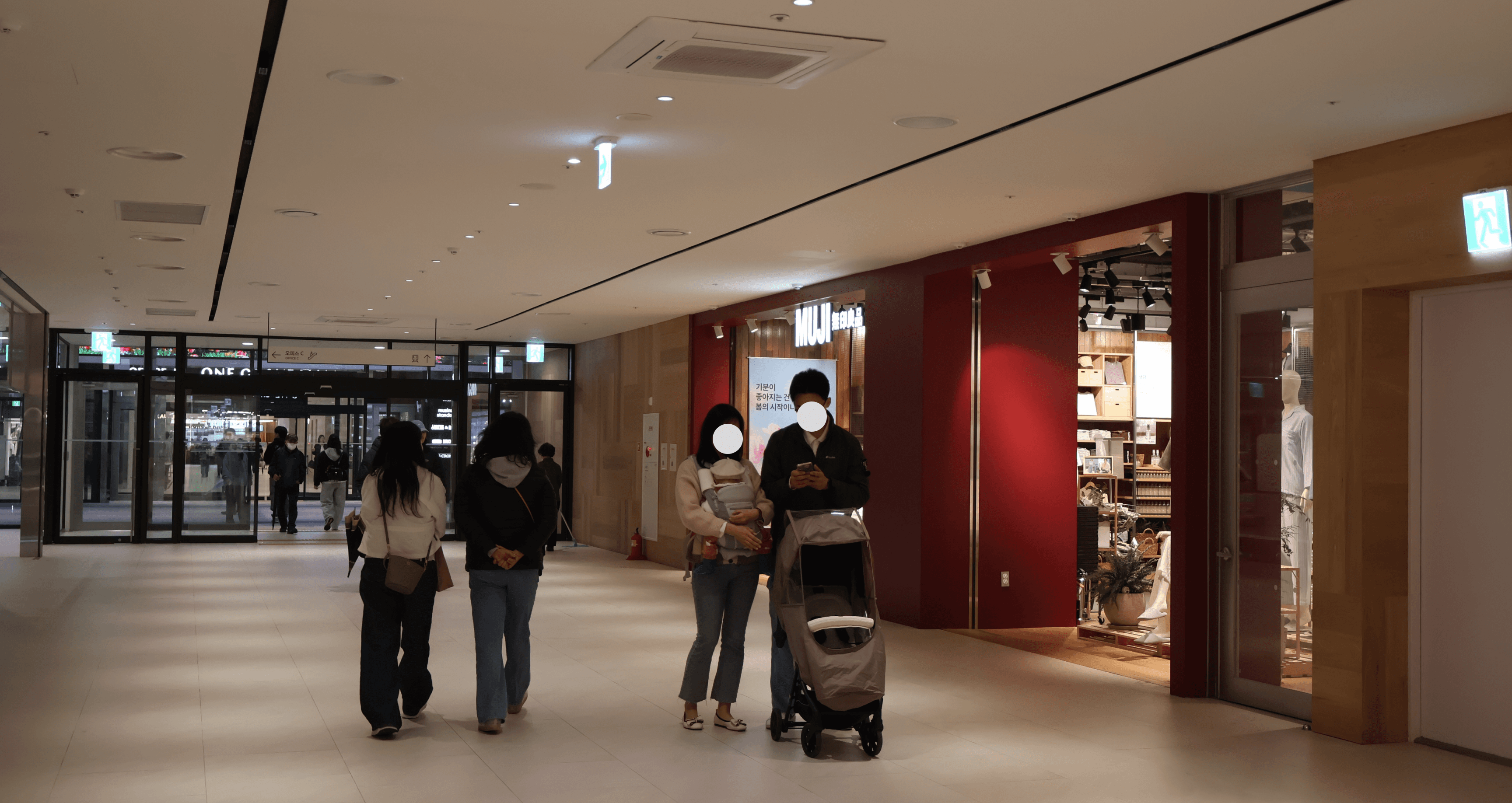
The starting point of One Grove MD was not brands, but the definition of the Magok living zone. From office workers commuting to and from work, families living in nearby apartments, to parents spending time with children on weekends, they focused on roles repeated within one person's day, rather than different groups. And as a premise to realize this flow, the entry of Traders was confirmed from the beginning. Based on the condition that demand for large-scale grocery shopping is bound to flow in, One Grove designed a structure that naturally extends those movement paths to kids, lifestyle, and F&B. A flow that makes visitors who came for grocery shopping stay, spend, and visit again. One Grove is not targeting a specific customer base, but is the result of implementing the daily life of a person living in Magok within the space.
Intended Targeting and Three Axes
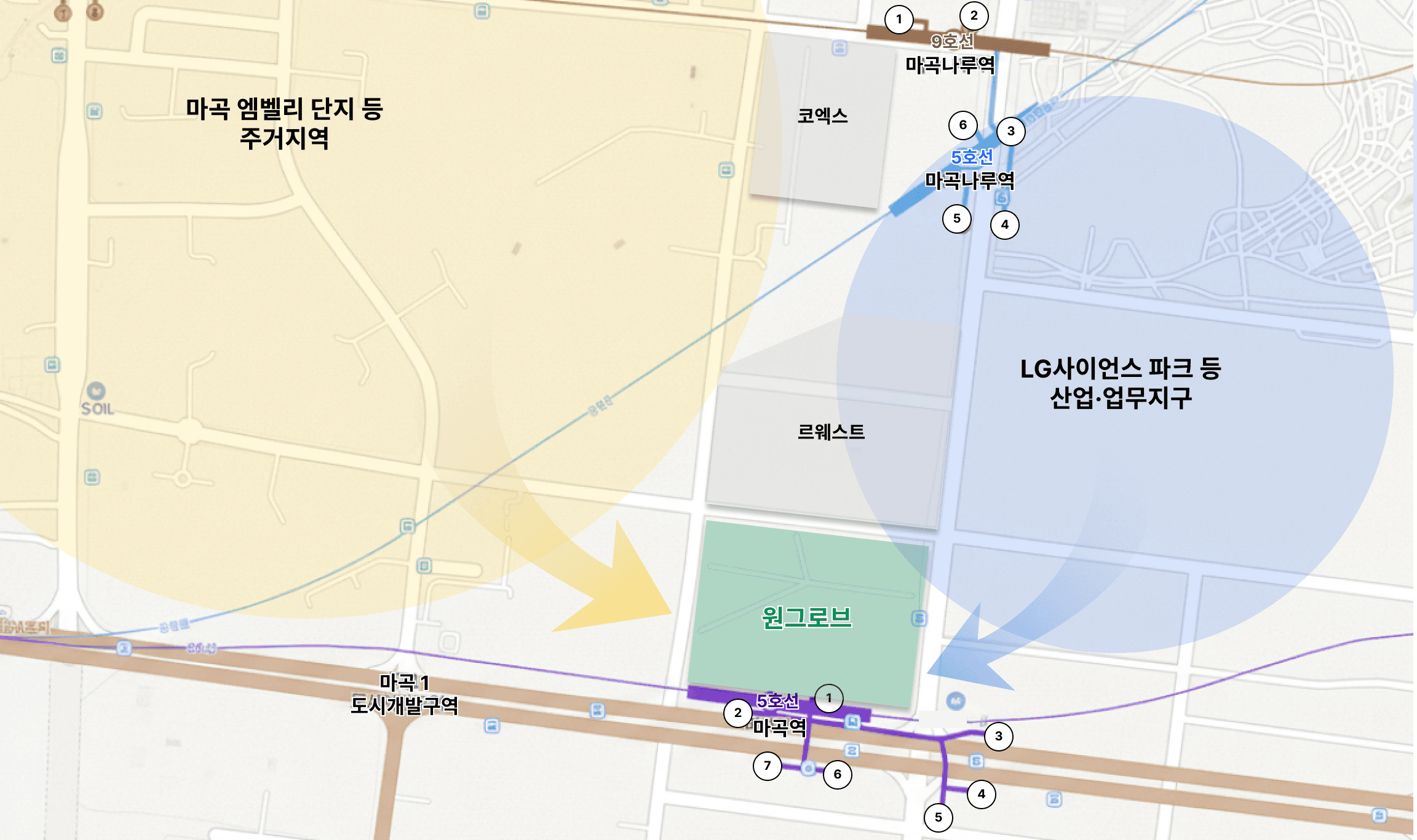
The start of MD begins with an understanding of the site. With an approach of 'just fill it first,' you can neither fill nor maintain this huge area. In the case of One Grove, zoning was structured centering on the residential background demand on the left and the office resident population on the right, based on the site.
Insight by Edward Kwon, Associate Director of CBRE Korea Retail
It is largely composed of three axes. On the left is life convenience and kids' facilities for residents. MUJI and Kyobo Book Centre are placed in the basement with the best connectivity to the subway station, and F&B zoning is structured on the right for both the background residential population and the office resident population, planning a 24/7 closely-integrated life mall.
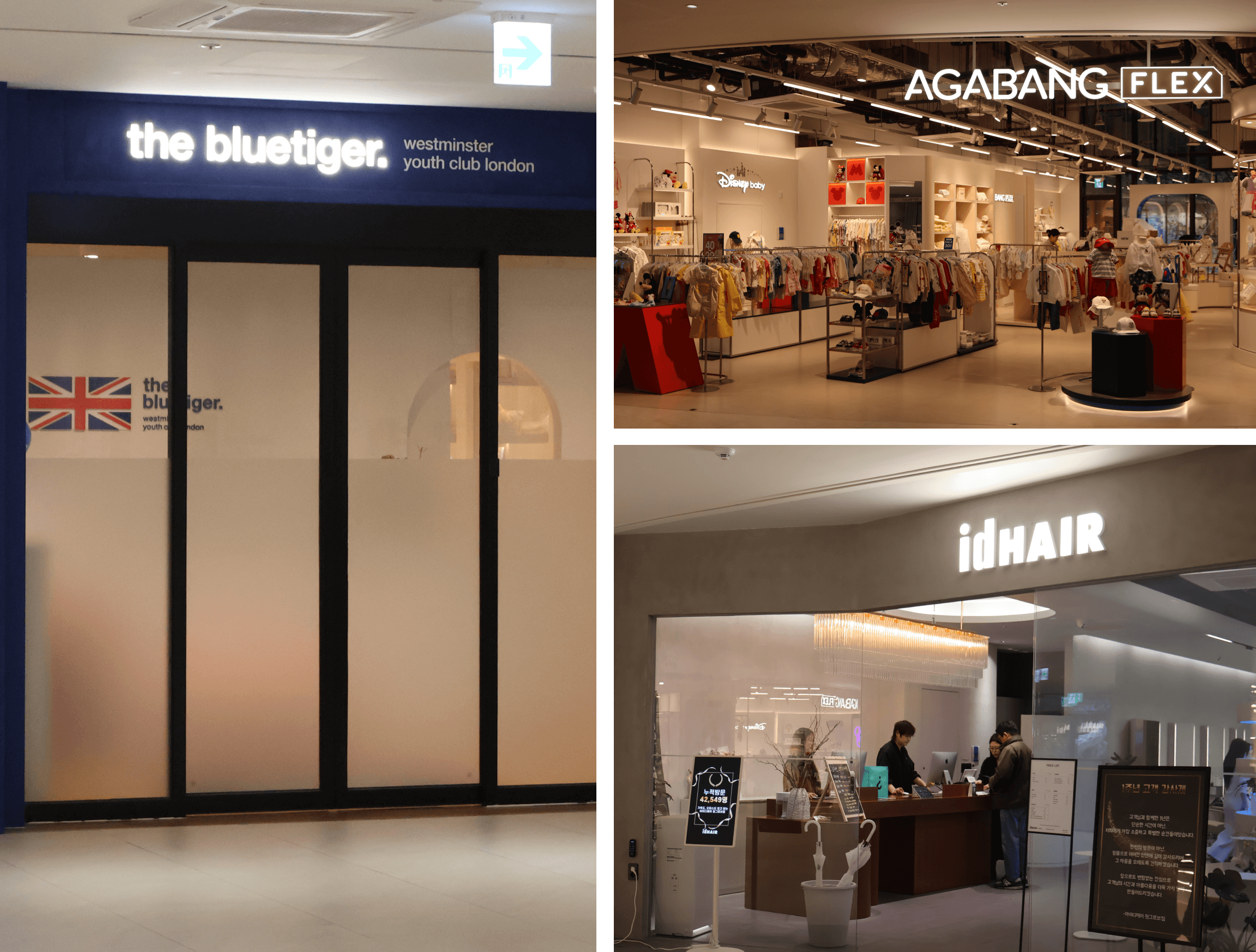
Kids Zoning. Agabang, Champion, Blue Tiger, and English education spaces were arranged in buildings C and D, which are connection paths for Traders. It is a structure that naturally makes parents who came for grocery shopping pass through the kids zoning. Champion recorded the highest monthly sales as of December, establishing itself as a key traffic-generating brand in the kids/sports zoning.
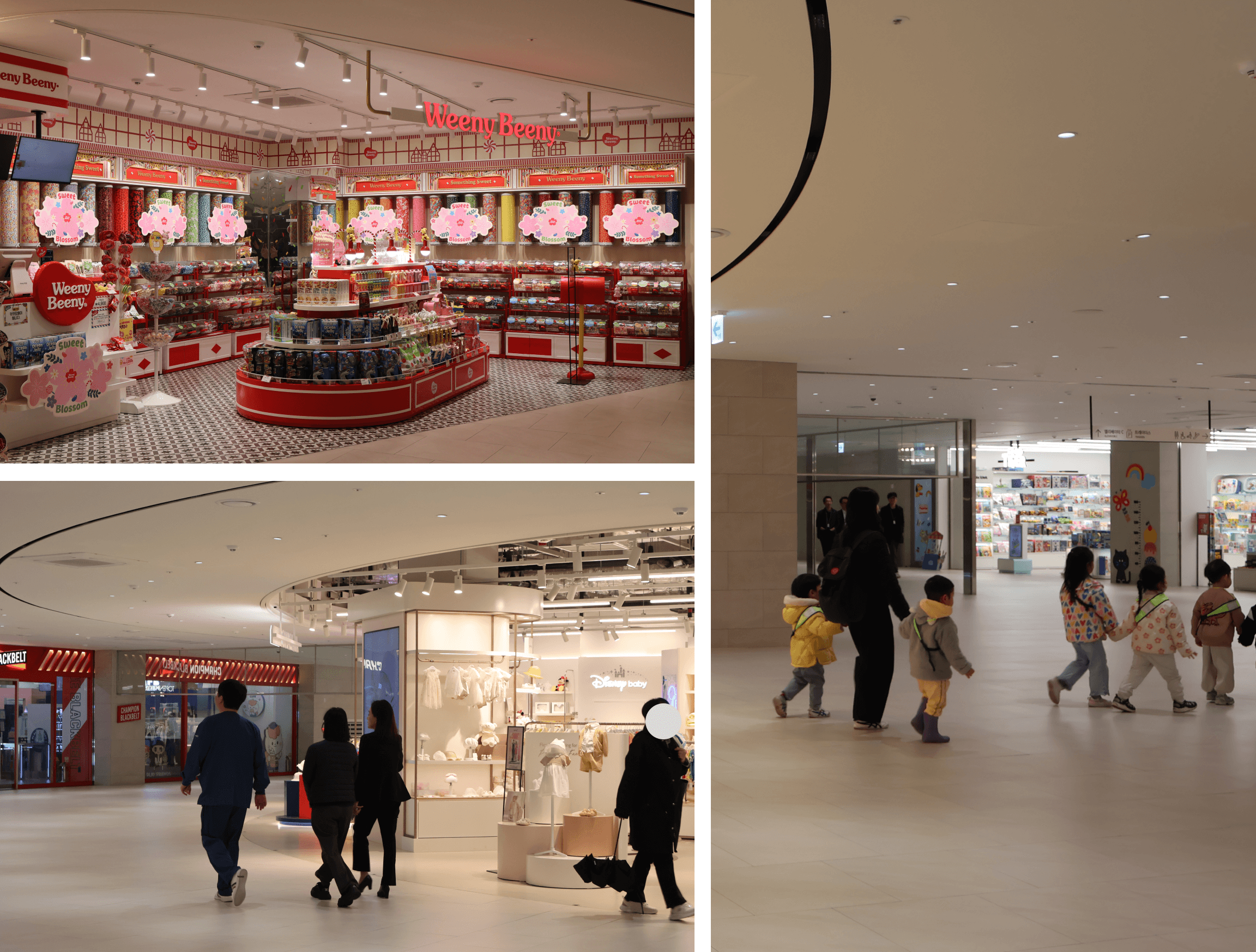
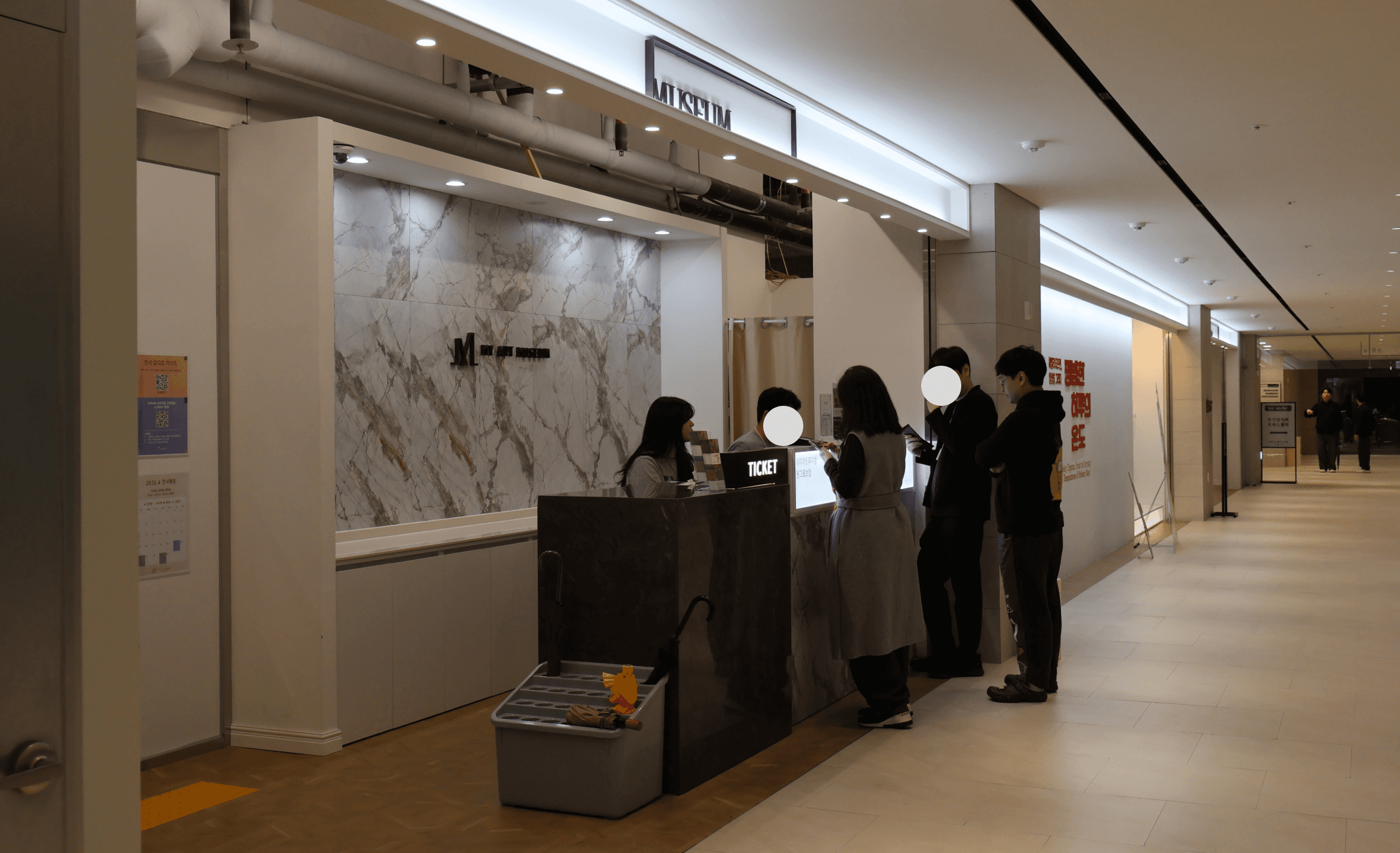
Lifestyle Anchor Zoning. MUJI and Kyobo Book Centre were placed at the basement direct connection of Magok Station on Line 5. When you get off the subway, you naturally pass by these two brands. It is an intended path. MUJI and Kyobo Book Centre are brands that you can enter without purpose and spend time in. They are an influx device that naturally draws people in even if they do not visit purposely, and a stay device that keeps people inside the mall once they enter. Both brands broke their highest monthly sales as of December, maintaining top rankings across One Grove.
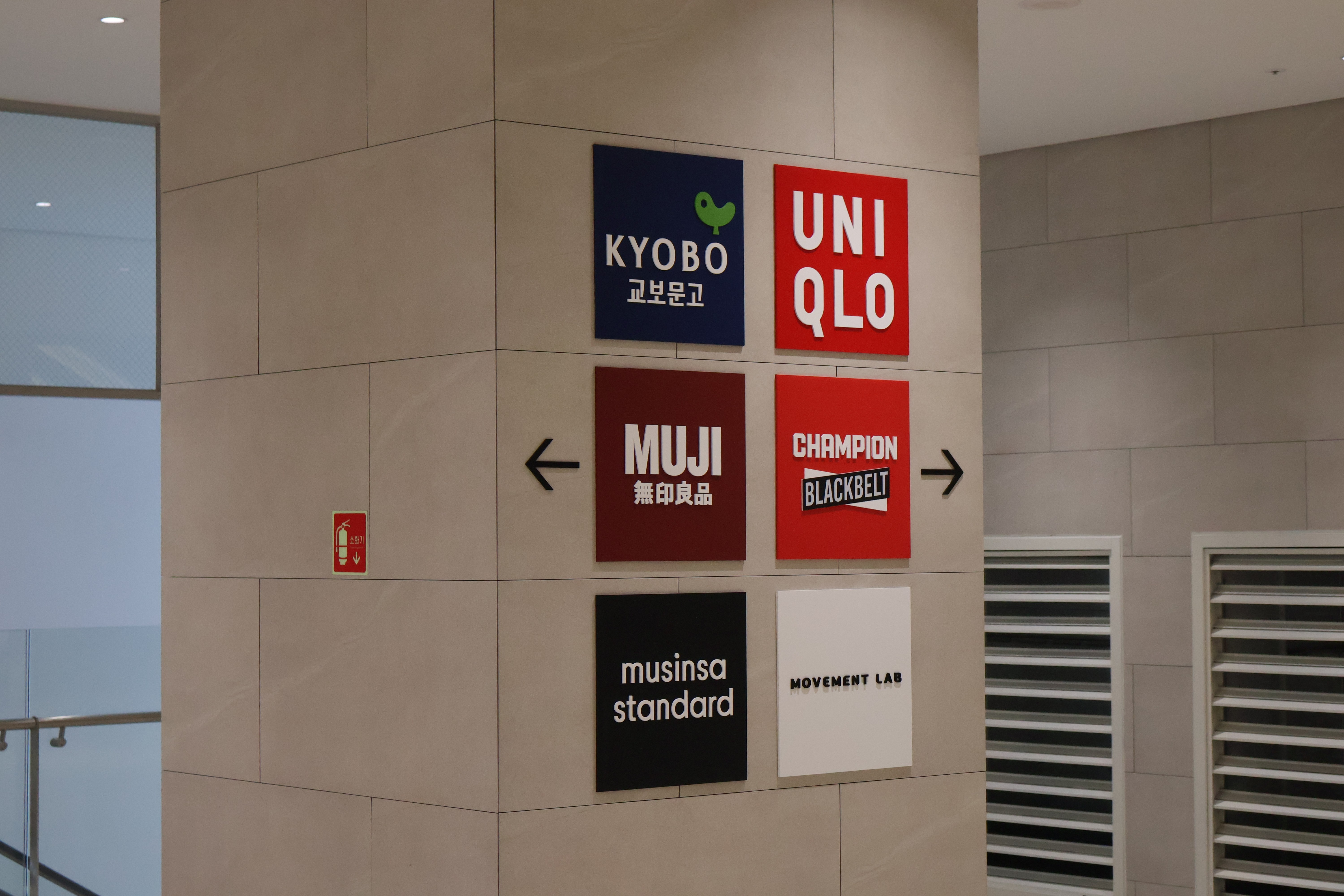
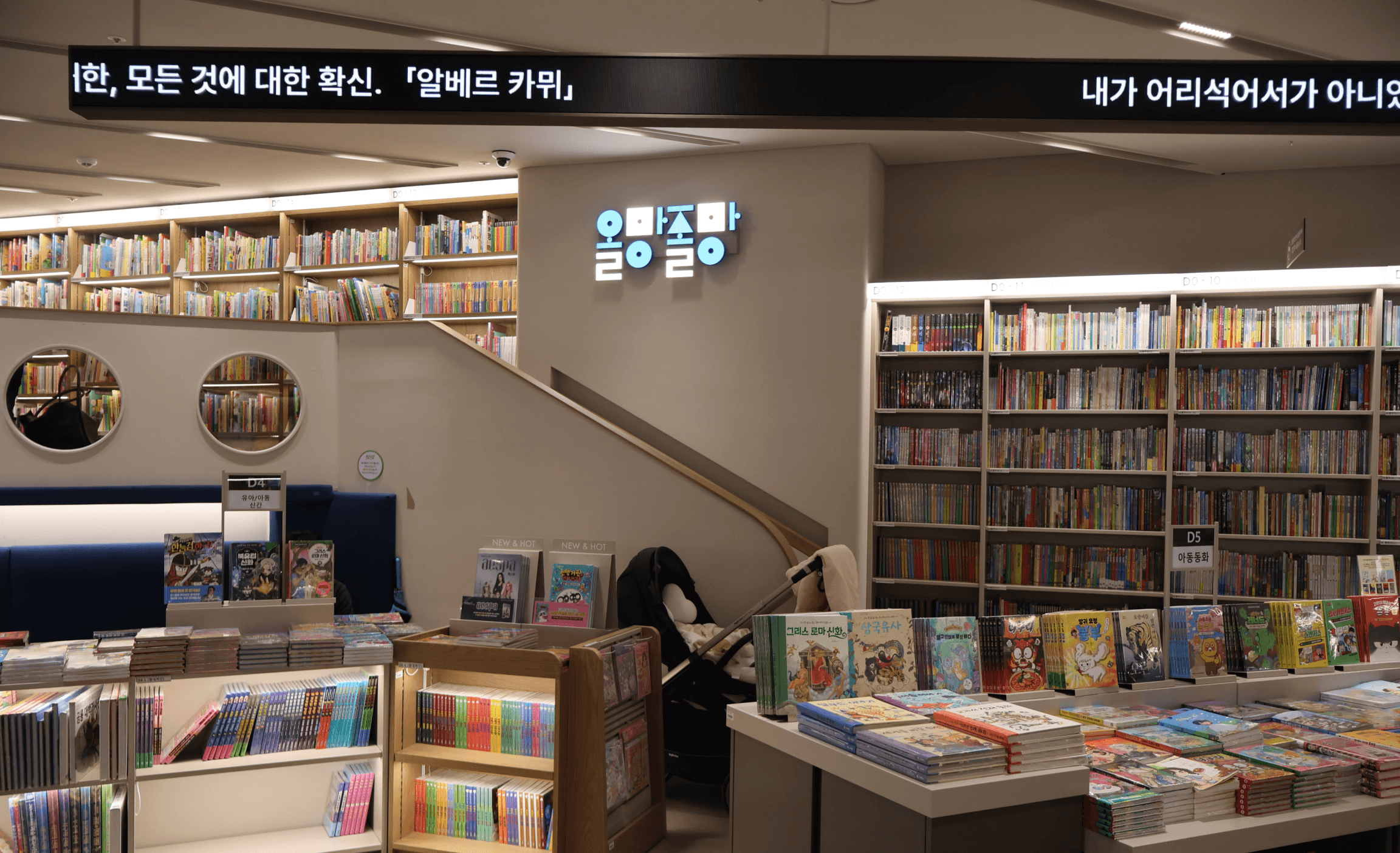
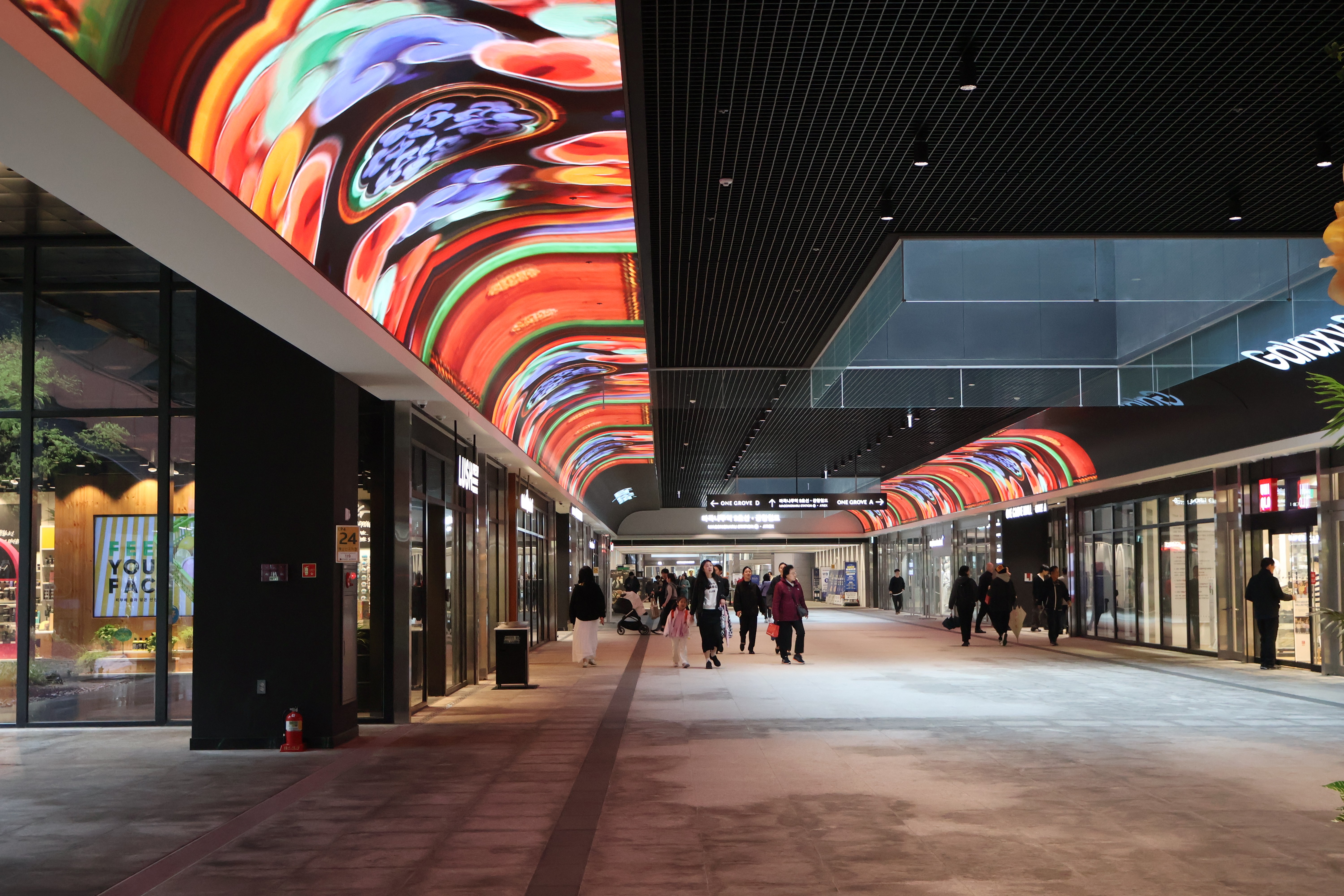
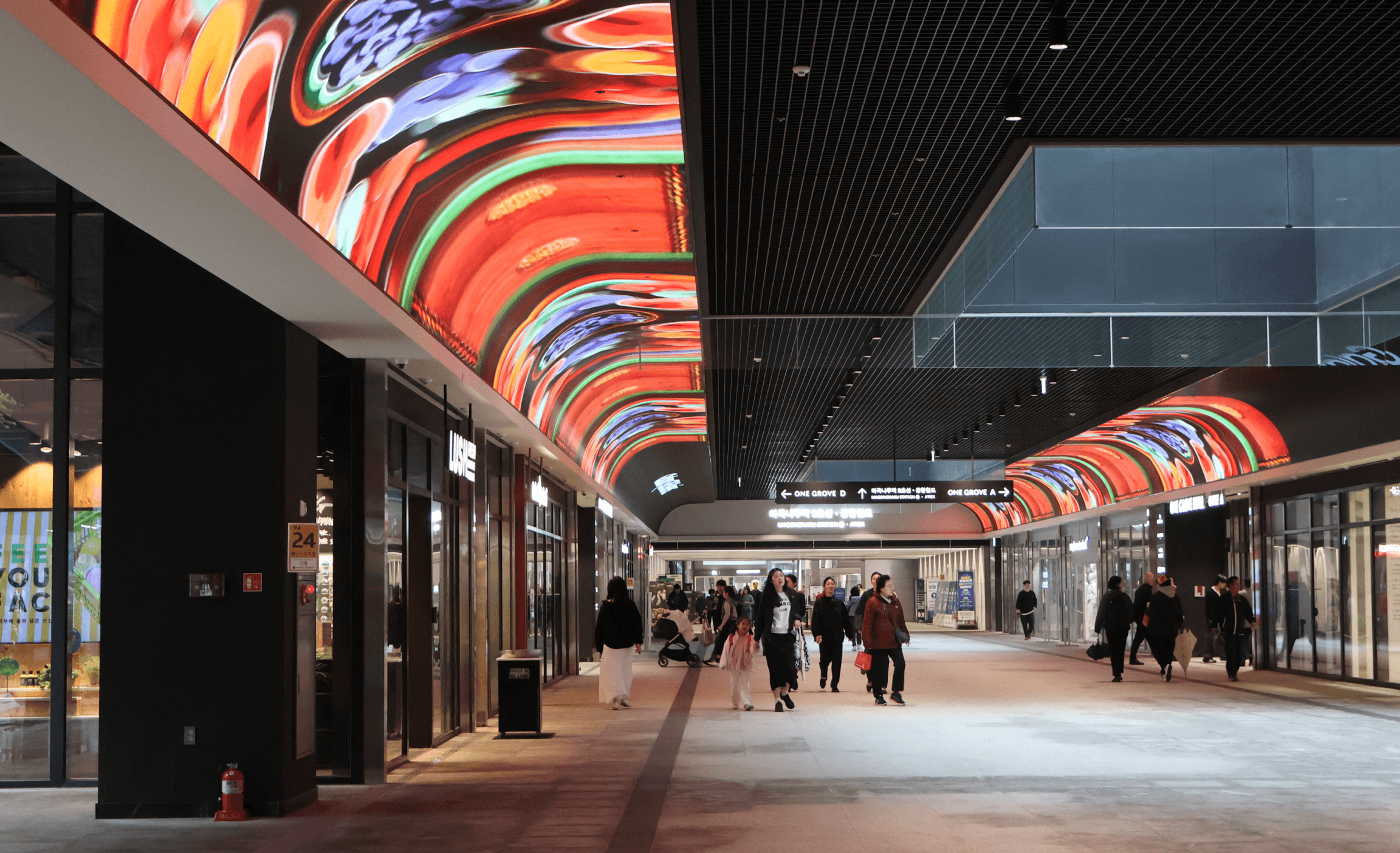
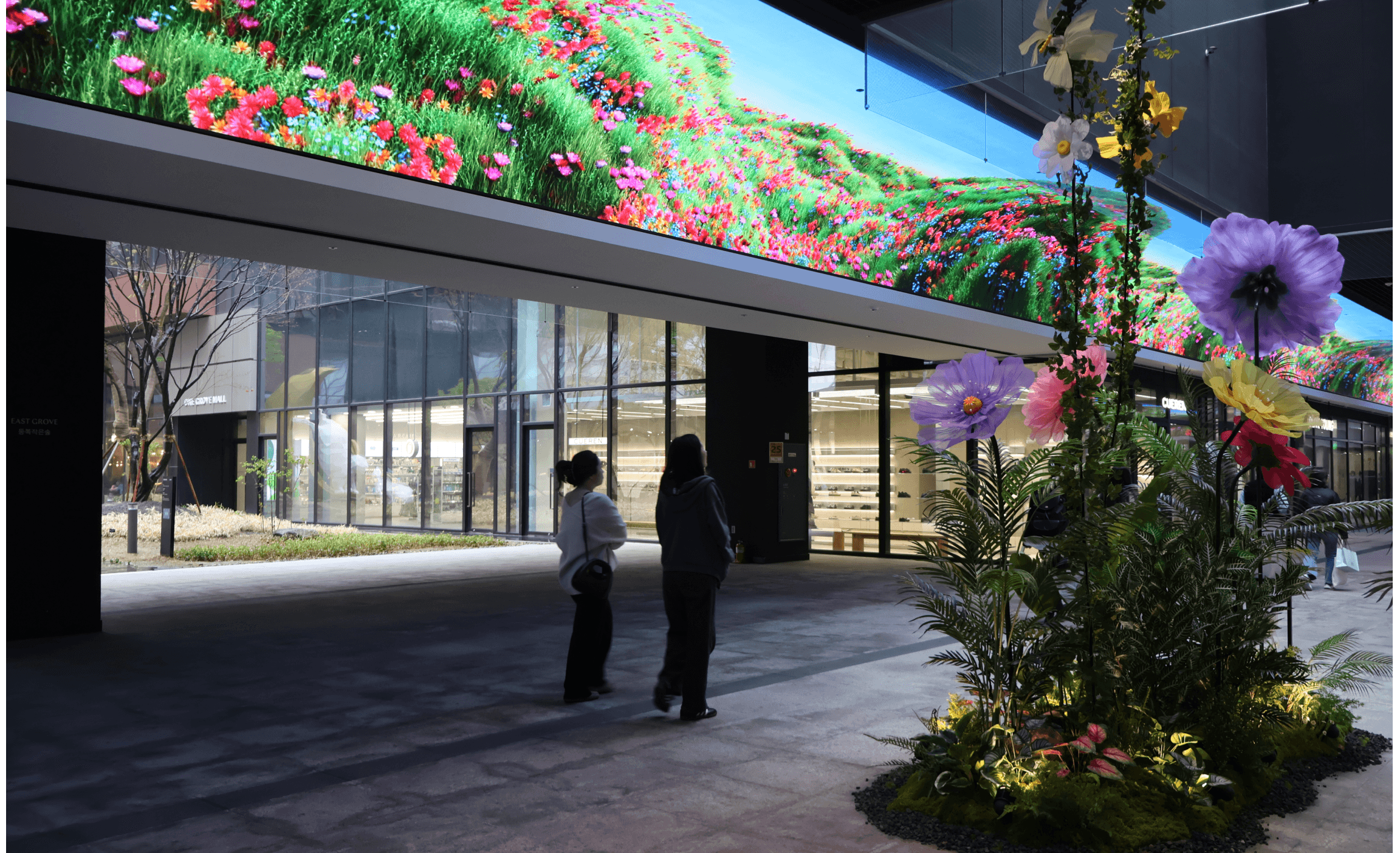
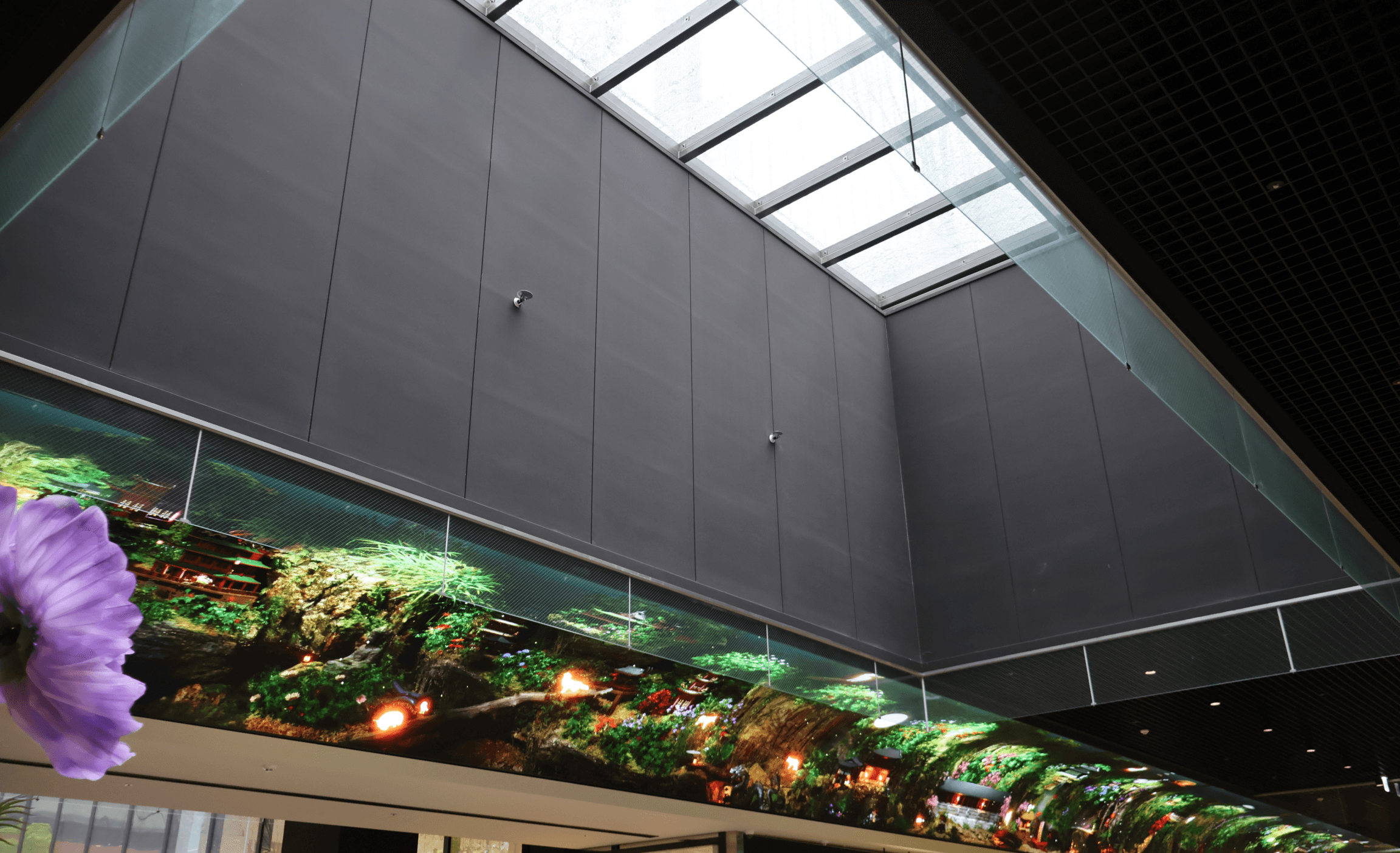
The public pedestrian passage was also not left as a simple connection path. One Grove redefined this path not as a 'passing road' but as a 'space to stay.' MUJI and Kyobo Book Centre were arranged along the pedestrian flow, and an atrium with natural light and landscaping was combined between them. Here, LED-based digital art was continuously installed on the upper part of the passage to add a visual experience. As a result, people do not pass through this space quickly. They slow down, stay, and naturally seep into the stores. One Grove did not stop at connecting pathways, but designed them so that staying and consumption occur within them.
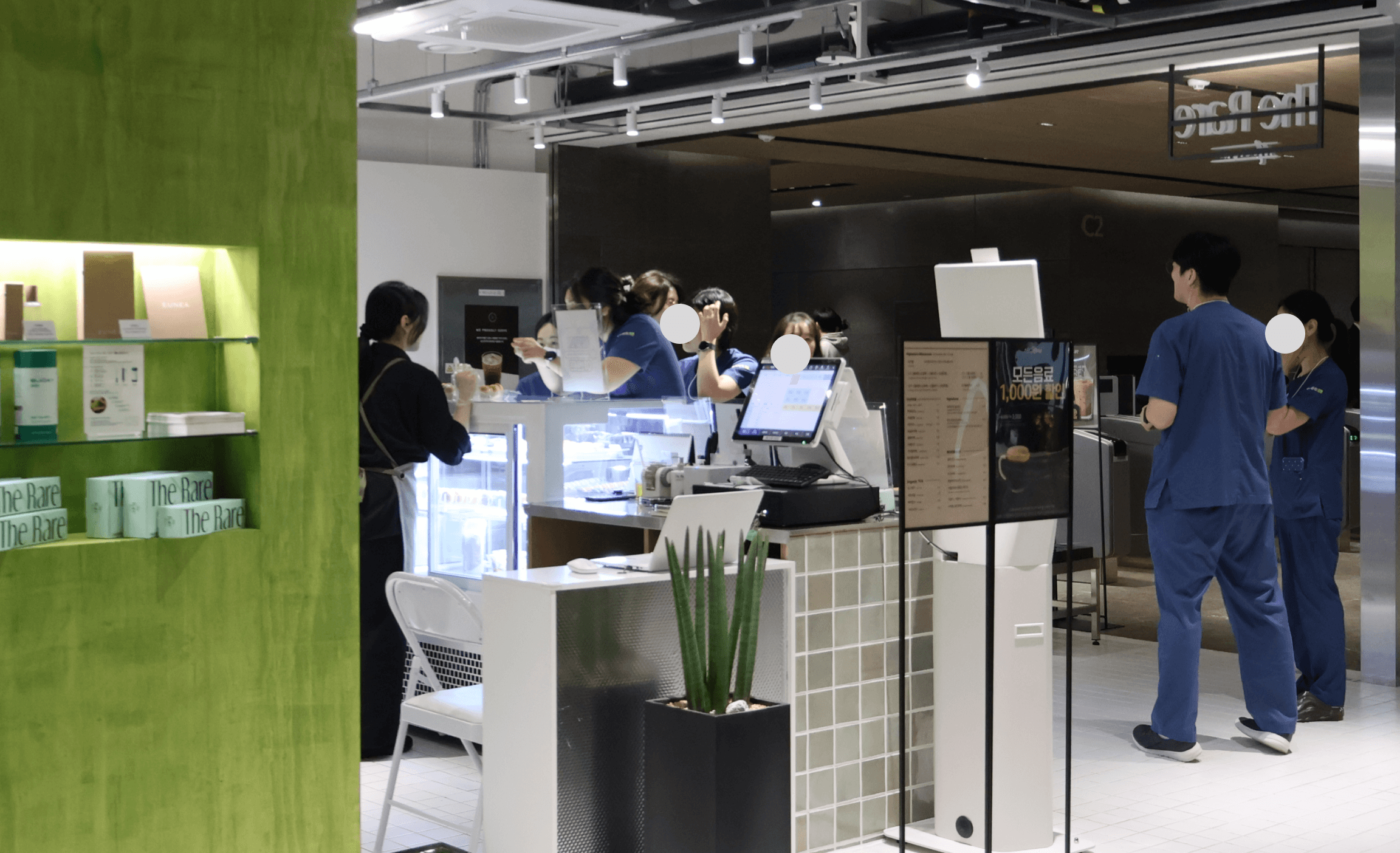
F&B Zoning. Targets and positioning were clearly separated by floor. Casual local brands in the basement, business meetings and group dining on the 1st floor, and premium dining on the 2nd floor. From eating lunch alone to hosting dinners, everything is resolved within the same building.
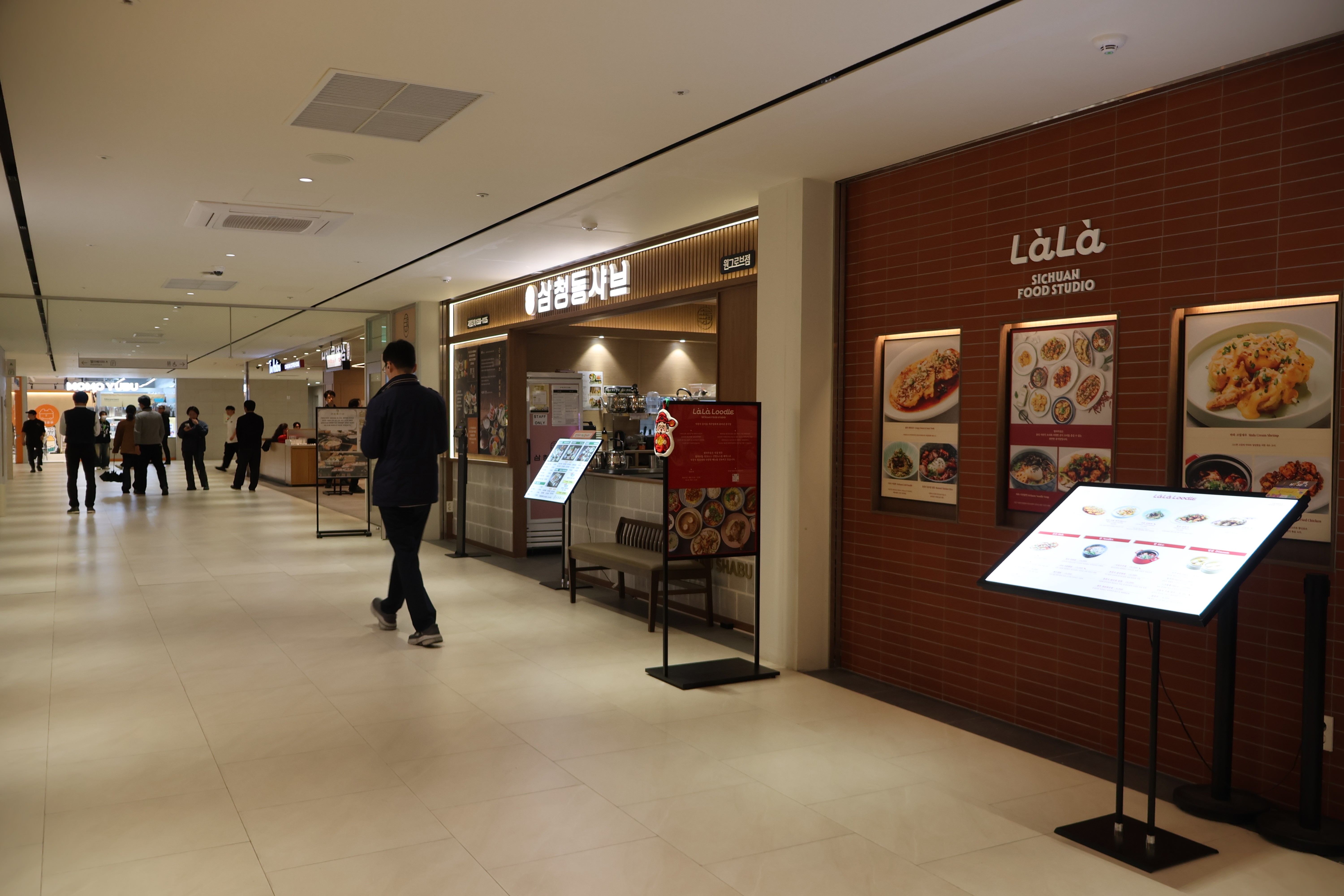
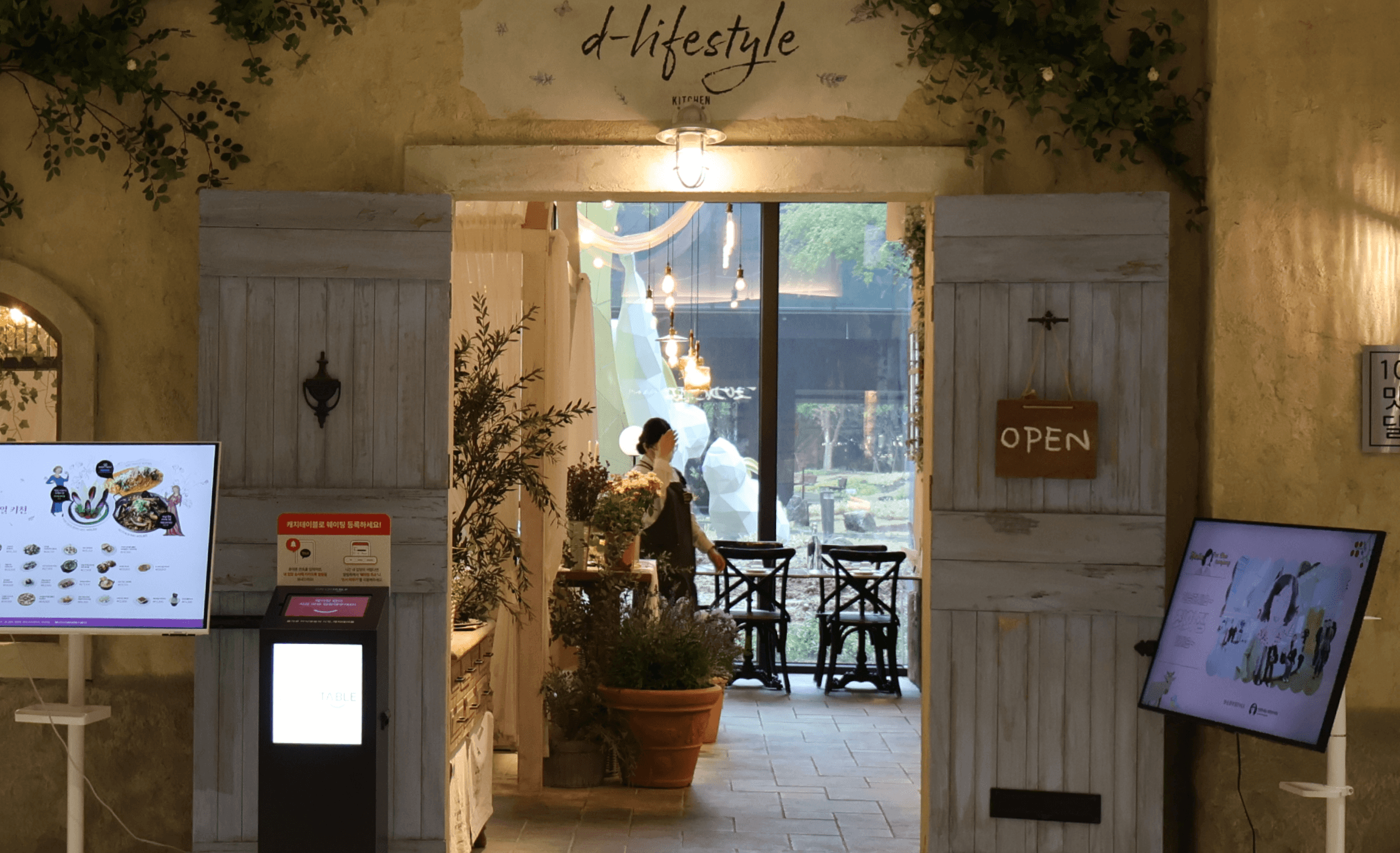
VIPS on the 2nd floor achieved its highest monthly sales as of December as a result of relocating and upgrading its Deungchon headquarters after 25 years, and continues to be one of the top-performing VIPS stores in the country. The appearance of this number on the 2nd floor of an office mall means that not only weekday lunch but also weekend visitors are actually consuming dining.
Insight by Jane Hong, Manager of CBRE Korea Retail
It is also confirmed in One Grove that if a decent tenant shows strength through pre-opening, good tenants will follow in succession. VIPS, which pre-opened in an empty construction site for December year-end sales, recorded an average monthly sales of 900 million won, properly showing the potential of Magok, and word of mouth spread to other brands after that, creating synergy with marketing and driving the contract rate to near 50% within 3-6 months.
The three zonings do not operate independently. A path where you pick a book at MUJI, go to Kyobo Book Centre, eat lunch on the 1st floor, stop by a hair salon while waiting for a child's English class, and shop or dine at a restaurant on the 2nd floor in the evening. This is a path that one person can create in One Grove in a day.
Fashion MD: Right Brands Rather Than Many Brands
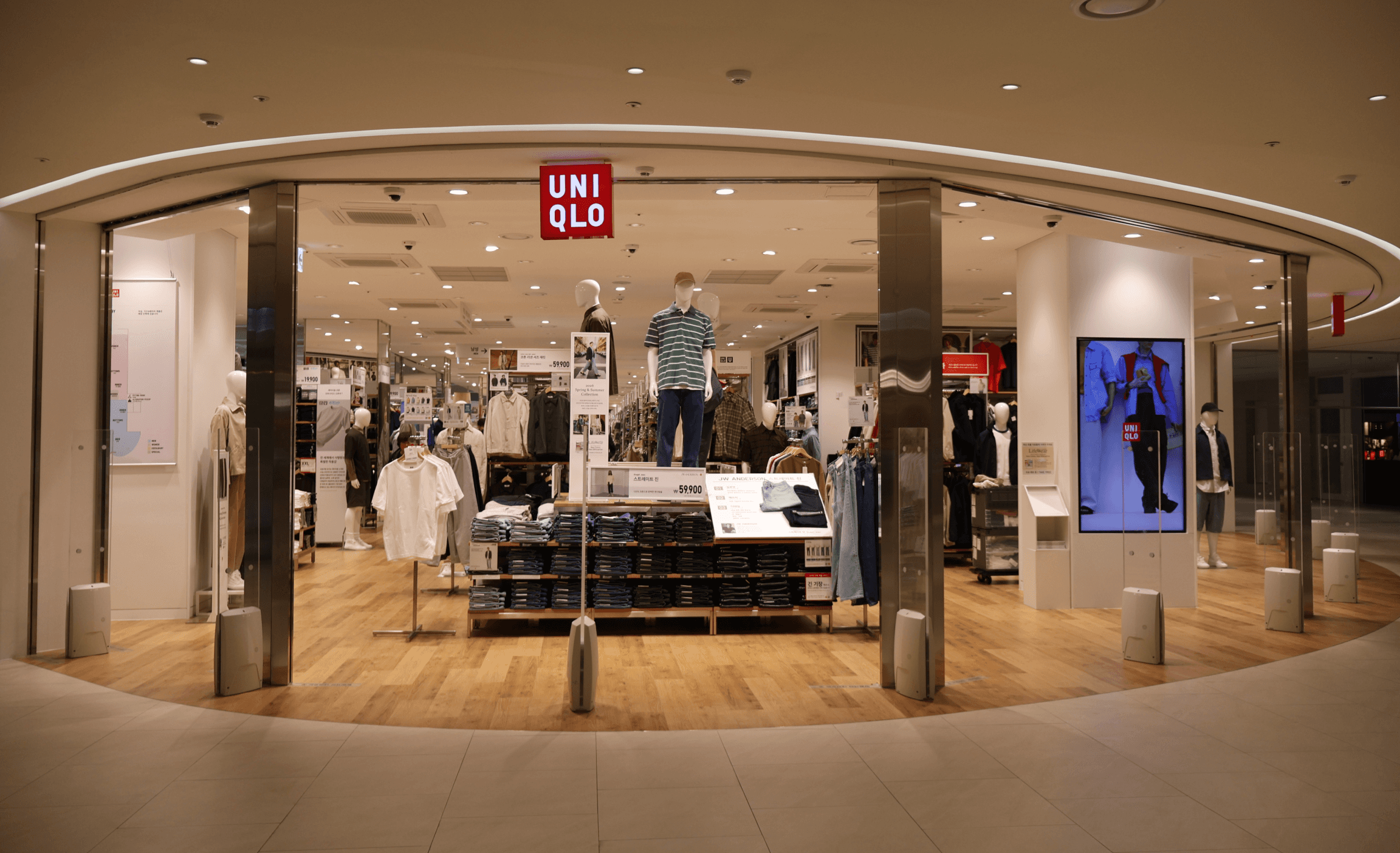
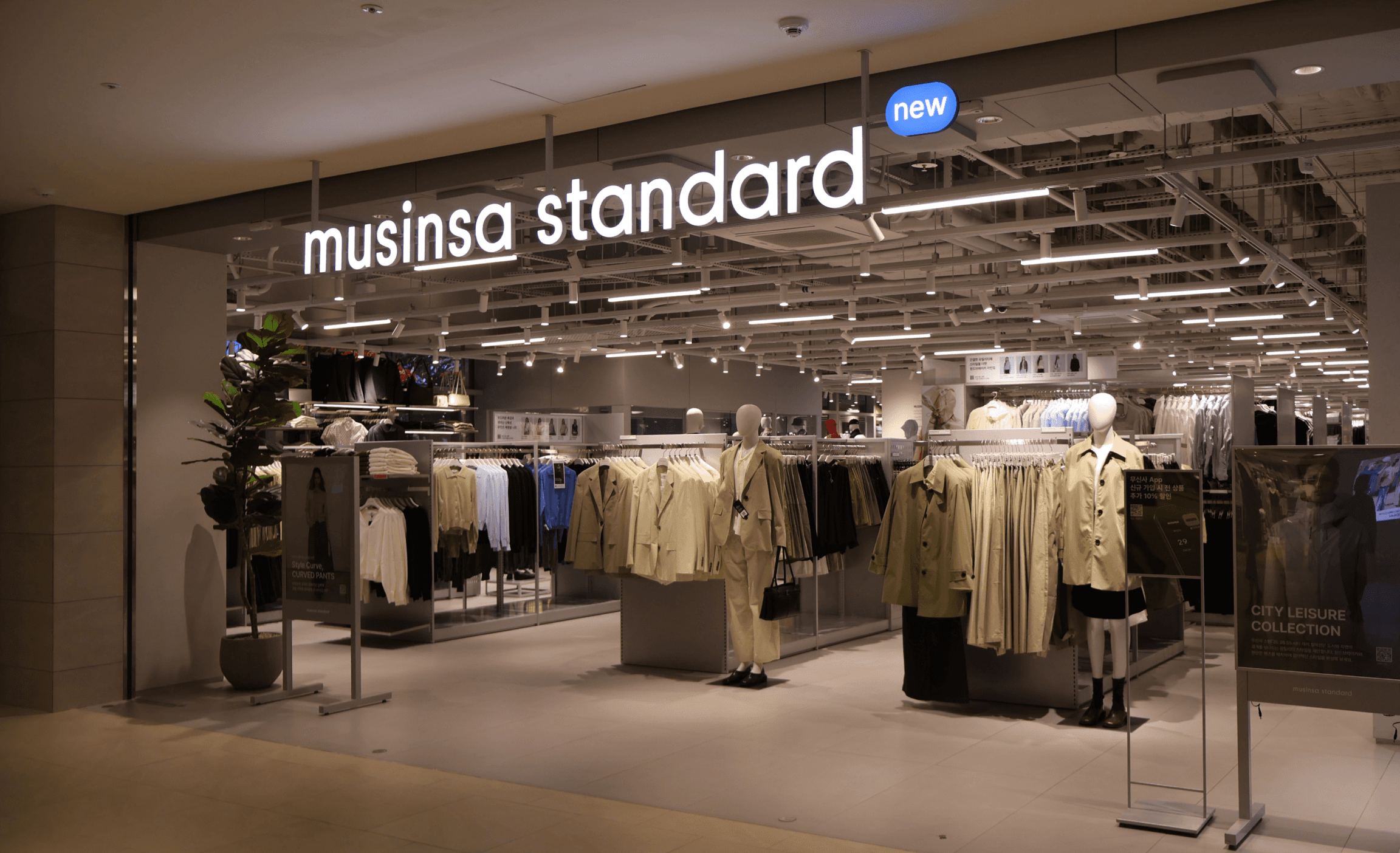
One Grove's fashion MD chose suitability over density. Uniqlo, Musinsa Standard, ABC-Mart, Agabang, and Musinsa Kids. These are brands with clear positioning in each category.
Uniqlo broke its highest monthly sales as of December, ranking 1st in sales among all brands housed in One Grove. The fact that Uniqlo ranks 1st in an office mall cannot be explained by office worker demand alone. This means that both weekend family visitors and nearby residents visit Uniqlo, and is evidence that background demand has diversified.
Musinsa Standard achieved its highest monthly sales as of February, continuing stable top performance within the SPA category. The structure where Uniqlo and Musinsa Standard coexist within the same mall covers the broad tastes of office workers in their 20s to 40s.
Contents requiring trendiness or seasonality are complemented by pop-ups. The popularity of fixed MD and the freshness of pop-ups share roles. Fixed MD becomes a stable foundation of sales while pop-ups maintain the sensitivity of the mall.
What a 600-pyeong Medical Zone Does
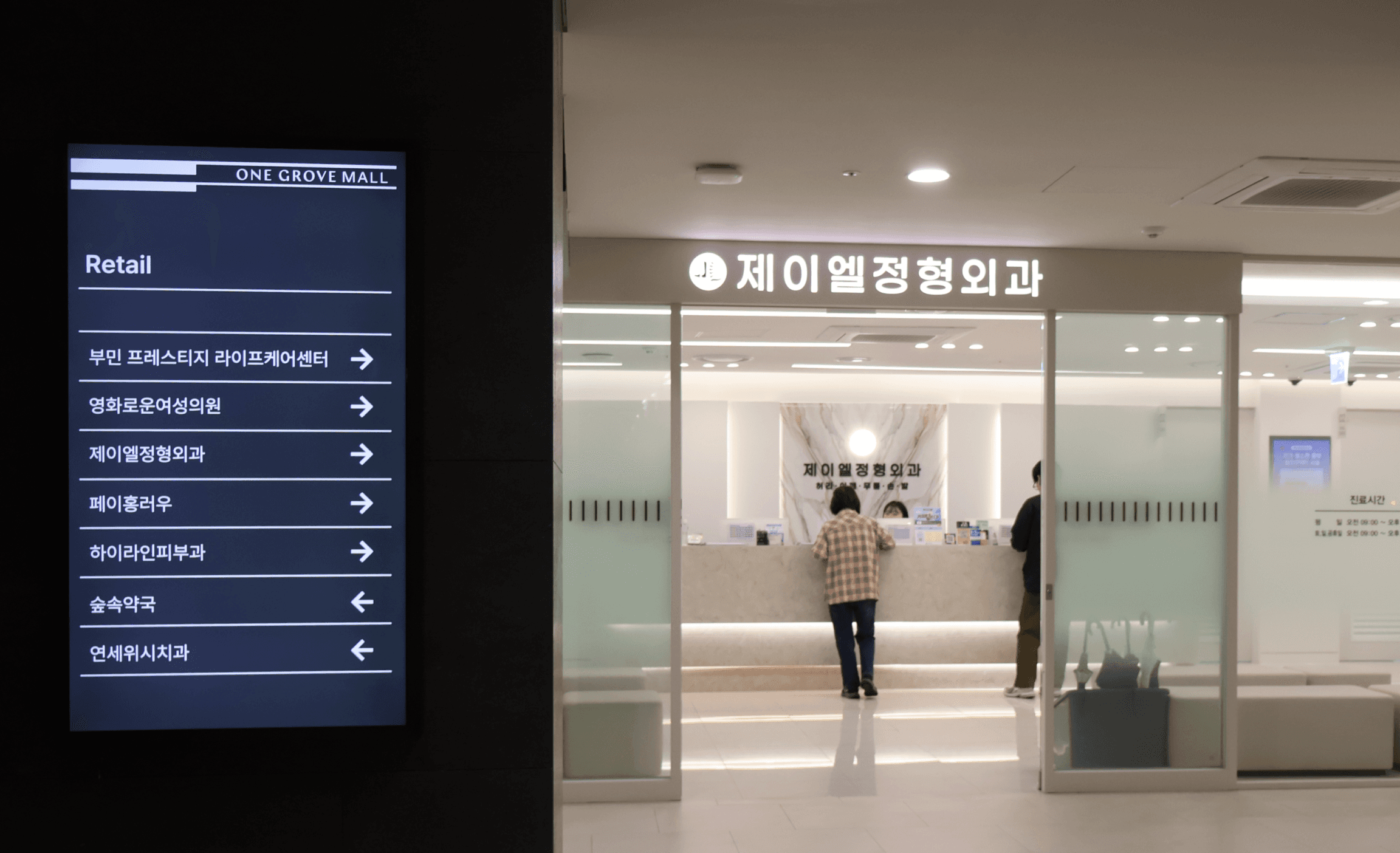
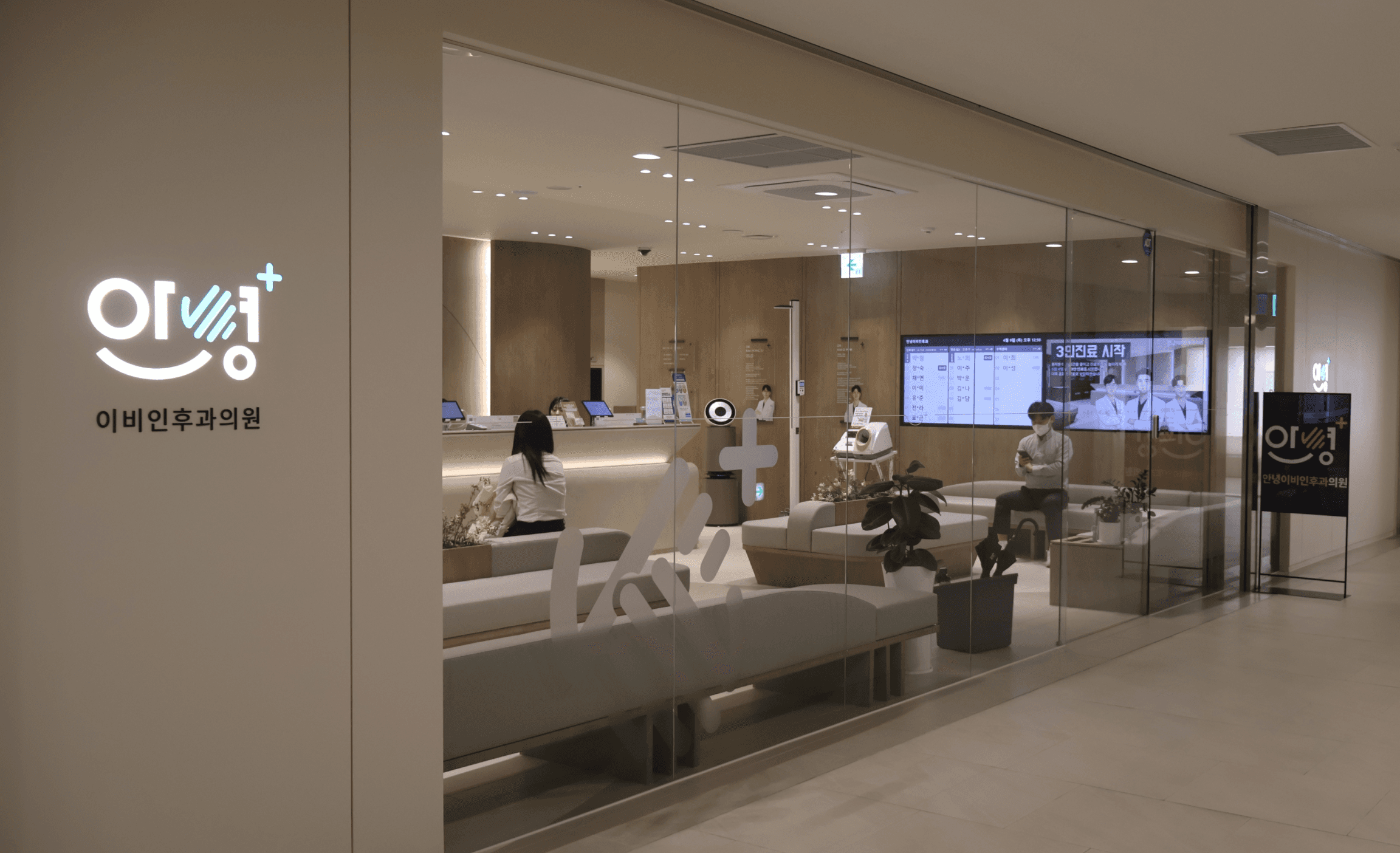
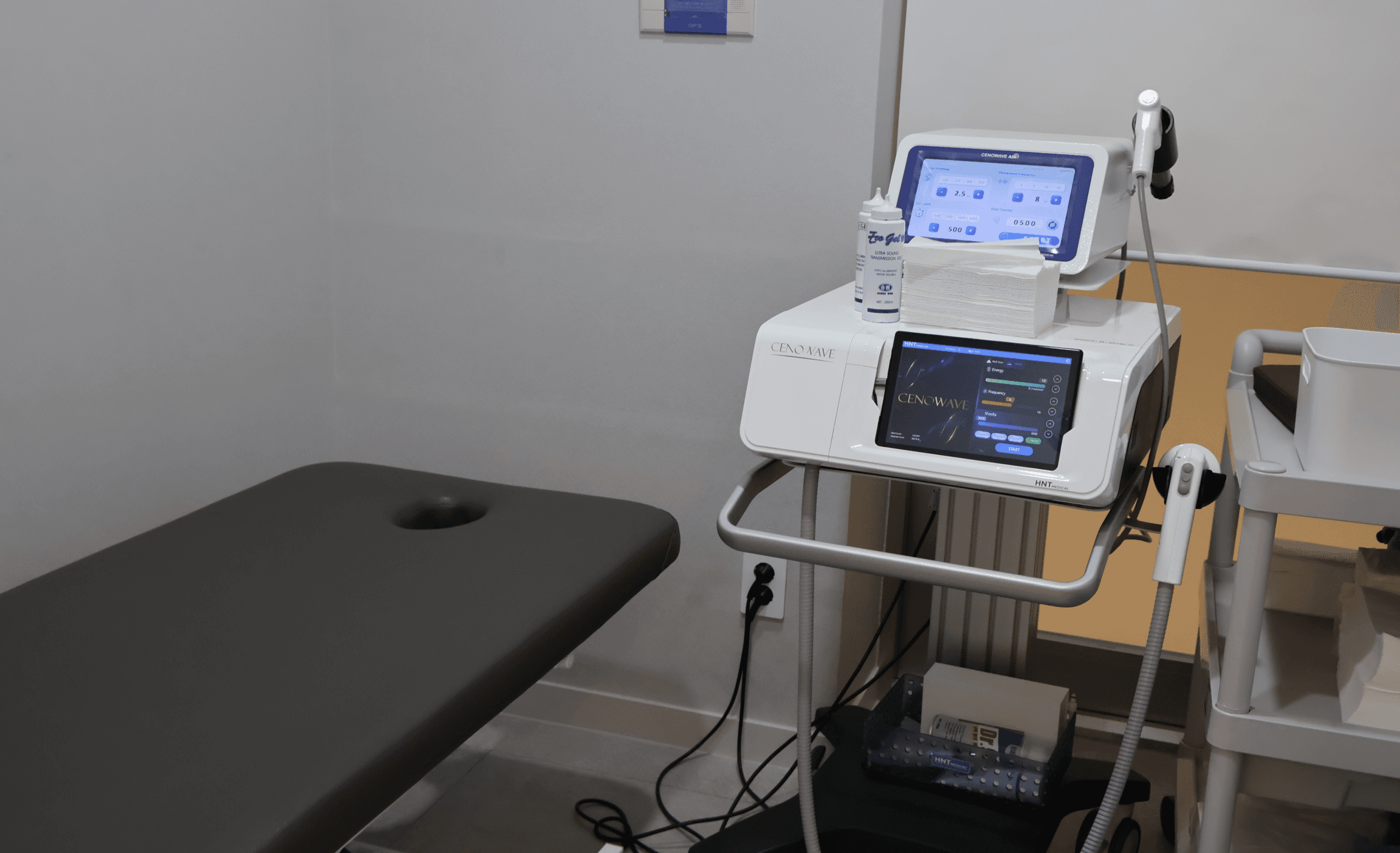
One Grove has a medical zone of about 600 pyeong (approx. 21,350 sq ft). A medical zone of this scale is unprecedented in office retail. Consisting of clinics, dental clinics, dermatology clinics, and physical therapy, this space is not a simple convenience facility.
In an office worker's daily routine, medical service is an essential routine that must be handled during lunch break or after work. The reason One Grove brought in a large-scale medical zone is a strategy that makes office workers not need to go to other places. A path where they visit Uniqlo after making a dermatology appointment, and spend time in Kyobo Book Centre while waiting for physical therapy. Medical service becomes content that creates dwell time.
This is in the same context as the trend where dermatology clinics started to enter the 1st floor of Gangnam buildings. It has become a tenant that landlords seek first. Stability of not being behind in rent even during pandemics, and customer attraction power that absorbs foreign medical tourism demand. One Grove Medical Zone targets both office workers and residents in the Magok area.
Hardware Backs Up the Strategy
A parking lot of 7 basement floors, the opening of Seoul's first Traders, and a courtyard with natural light. These three are physical strengths hard to find in other office retail. Parking on the 7th basement floor is not just a convenience facility, but creates a reason for office workers in the Magok area and nearby residents to bring their cars. Being able to attract the family demand targeted by Magok in terms of parking convenience indicates it is an upgraded version of existing office retail.
Traders is an anchor pulling the demand for large-scale grocery shopping into One Grove, and the natural light of the courtyard is a device that breaks the closed feeling of office malls which easily get trapped in basements and lower floors. No matter how good the MD is, people do not stay long if the space is uncomfortable. There are many people who do not like the unique stuffiness given by shopping malls, but One Grove, with its exceptionally wide corridors and spacious design, has designed staying starting from the space, creating synergy with sophisticatedly designed software (MD).
In the end, the achievement of One Grove is not a victory simply created by a gigantic scale. It is a result created by strategic persistence that held onto the space concept and zoning logic to the end, even while postponing short-term rental income. Transcending the dualistic commercial limits of office and residence, weekdays and weekends, One Grove, which realized the daily life of the Magok living zone through sophisticated software and hardware, clearly proves through numbers that the value of retail assets is ultimately determined by the quality of MD planning and space experience. This is why we look forward to the sustainable growth and additional rise of asset value that One Grove, which has settled as a core landmark of Magok in 3 years since opening, will show by further advancing synergy among tenants in the future.
© Copyright 2026. All rights reserved.
This publication has been prepared in good faith, based on CBRE Korea's current anecdotal and evidence based views of the commercial real estate market. Although CBRE Korea believes its views reflect market conditions on the date of this presentation, they are subject to significant uncertainties and contingencies, many of which are beyond CBRE Korea’s control. In addition, many of CBRE Korea’s views are opinion and/or projections based on CBRE Korea’s subjective analyses of current market circumstances. Other firms may have different opinions, projections and analyses, and actual market conditions in the future may cause CBRE Korea’s current views to later be incorrect. CBRE Korea has no obligation to update its views herein if its opinions, projections, analyses or market circumstances later change.
Nothing in this publication should be construed as an indicator of the future performance of CBRE’s securities or of the performance of any other company’s securities. You should not purchase or sell securities-of CBRE or any other company-based on the views herein. CBRE Korea disclaims all liability for securities purchased or sold based on information herein, and by viewing this publication, you waive all claims against CBRE Korea as well as against CBRE Korea’s affiliates, officers, directors, employees, agents, advisers and representatives arising out of the accuracy, completeness, adequacy or your use of the information herein. No part of this publication may be reproduced, quoted, distributed, or disclosed to any third party without the prior written consent of CBRE Korea.

place
Aug 10, 2026
A Department Store Where It Rains Twice: Takanawa Gateway City
Japan's Largest Retail Redevelopment Strategy: Selling 'Dwell Time'

place
Jul 20, 2026
How Traditional Markets Become Retail Again
The Evolution of K-Markets: A Look at Gwangjang Market and Namdaemun

place
Jun 29, 2026
Our Wellness, Unfolded by Mapo Butfit Clubhouse
A place where an entire building is dedicated to a day for people who workout.

place
Jun 15, 2026
63 Building: A Seoul Icon Returns to the Spotlight
The building in everyone's memories has returned as the space they want to visit most right now.
place
Apr 13, 2026
The Language Space Speaks
How spatial narrative drives dwell time, social content, and retail asset value in Seoul
place
Apr 13, 2026
CBD Retail: The Evolution of a 7-Day Asset
D-Tower, KT WEST, Gran Seoul — how Gwanghwamun's office retail moved from lunch-hour dependency to genuine all-day destination