Back
Share
Like

trend
Article Highlights
With gentle terrain, Korean charm, and hidden F&B in every alley, Seochon and Bukchon have grown from running courses into hubs where exercise meets leisure.
Rather than chasing foot traffic, brands now ride the running culture, turning stores from sales spaces into community hubs.
Running rewrites the rule: culture, not foot traffic, makes a district. And Seoul's palace-wall courses could grow into "tour runs" — the next chapter of K-culture.
People Who Draw on the Map
Running has quickly become the hippest way to experience Seoul, and this shift is quietly redrawing the commercial map of the city. Several trends have converged for running to establish itself as a cultural content. A prime example is the GPS run. This type of running, where runners leave a GPS location record to draw a picture on the map, spread as social media content as courses of various shapes emerged, becoming a major trend.
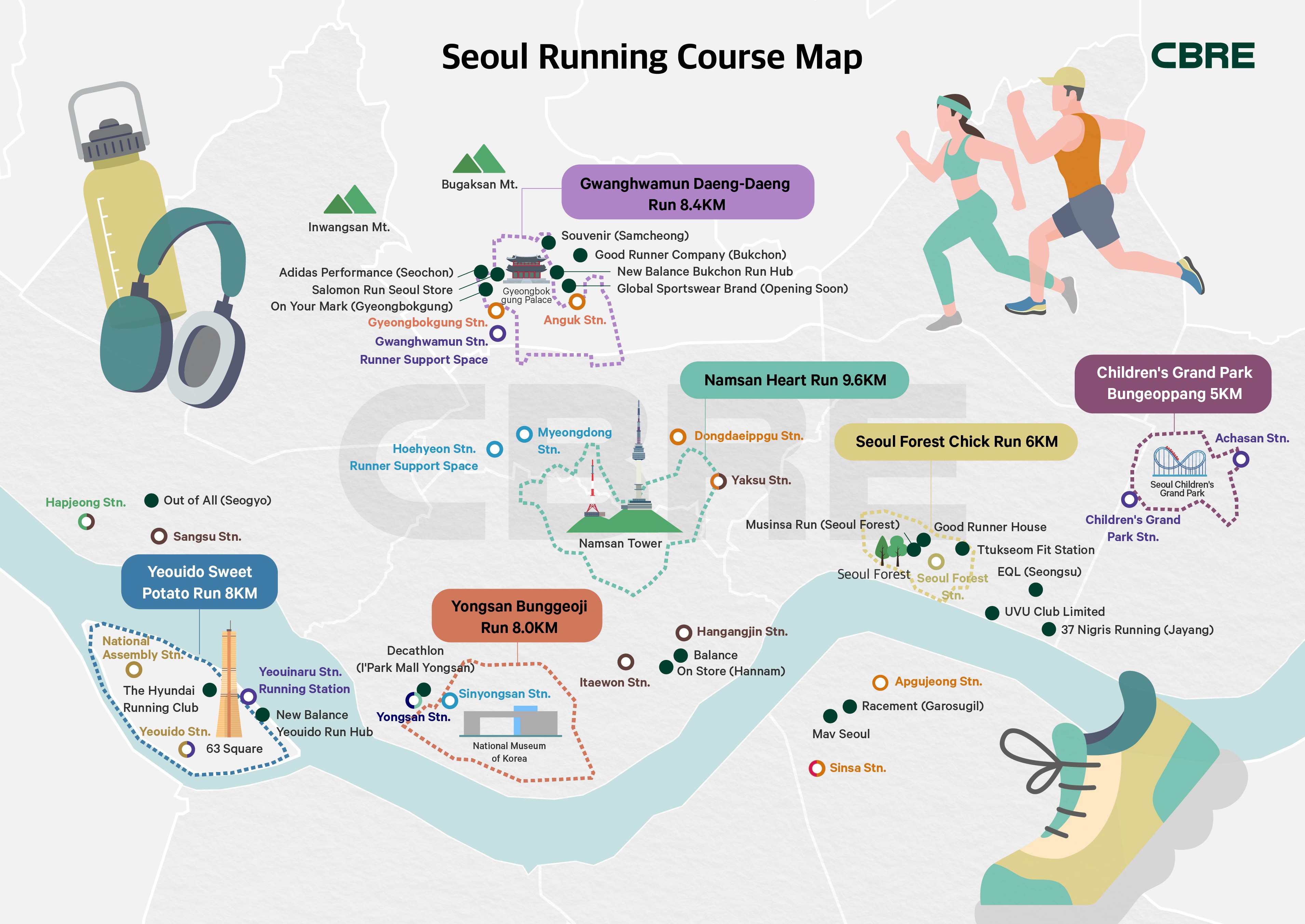
Spread mainly among the MZ generation (Millennials and Gen Z), this culture redefined running from an individual exercise into "play-centric content" and a "community culture centered on running crews." Coupled with a trend where where you run, with whom, and what kind of experiences you leave behind have become important, running has risen to become a cultural code representing Seoul.
The shift toward a lifestyle of "drinking less" also likely played a part in this change. South Korea's pure alcohol consumption per capita peaked at 9.1 liters in 2015 and has been on a steady decline since then (Korea Institute for Health and Social Affairs, 2022). The monthly drinking rate, which refers to the percentage of adults who drink alcohol at least once a month, also fell from 62% in 2016 to 57% in 2022 (Korea Disease Control and Prevention Agency, National Health and Nutrition Examination Survey). According to OECD statistics, South Korea's alcohol consumption has decreased at the second fastest rate among member countries since 2015 (OECD, 2025). One of the things that filled the space left by the retreating nighttime drinking culture was running.
As a result, instead of evening drinking gatherings, "espresso runs"—running in the morning or evening and communicating while drinking coffee at a cafe—have spread. Espresso runs led by communities like SMCC (Seoul Morning Coffee Club) are prime examples. Morning coffee raves, where participants enjoy coffee, music, and DJing together, have also spread as a global trend. While SMCC hosts these in South Korea, Starbucks also held a related event in Seongsu. The demand to enjoy a healthy lifestyle is pushing this culture into a mainstream trend.
Why Runners Gather in Specific Neighborhoods
As runners flocked to specific courses, global sports and fashion brands began opening strategic stores at key strongholds along running routes. The core of this strategy was to transform the stores from places that merely sell products into "base camps for runners."
Why, then, of all places, Seochon and Bukchon? There are many places in Seoul suitable for running courses. Nevertheless, there is a reason beyond simply "roads that are good for running" for brands to focus on these two neighborhoods.
First is the topography. To runners, the evaluation changes of a course are a more important variable than one might think. Seochon and Bukchon have many gently sloping roads along the walls of Gyeongbokgung Palace and other ancient palaces, making them suitable for running at a steady pace without steep ups and downs. While the Han River area offers the appeal of an open, straight course, these neighborhoods provide a balance where the city's scenery is layered over an easy topography.
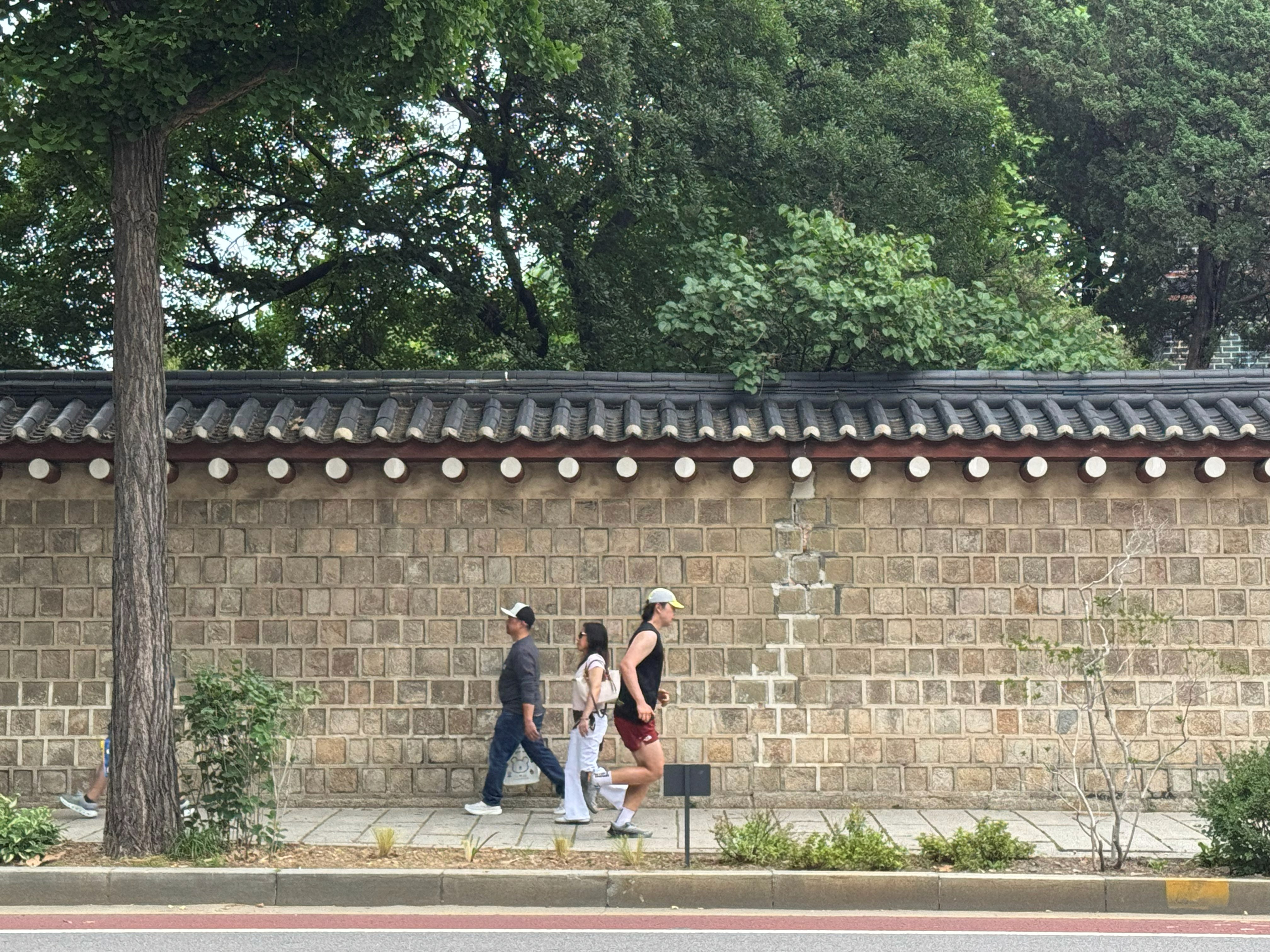
Next is the ambiance. While Gangnam Station or the main streets of Hongdae are crowded and commercial, Seochon and Bukchon feature tranquil scenery created by stone walls and Hanok (traditional Korean houses). Running alongside the walls of ancient palaces, so-called "palace running," is a scene unique to Seoul that is hard to find in other cities. The sensation of suddenly stepping back in time in the middle of a busy city center—that exotic experience—makes the course itself a piece of content.
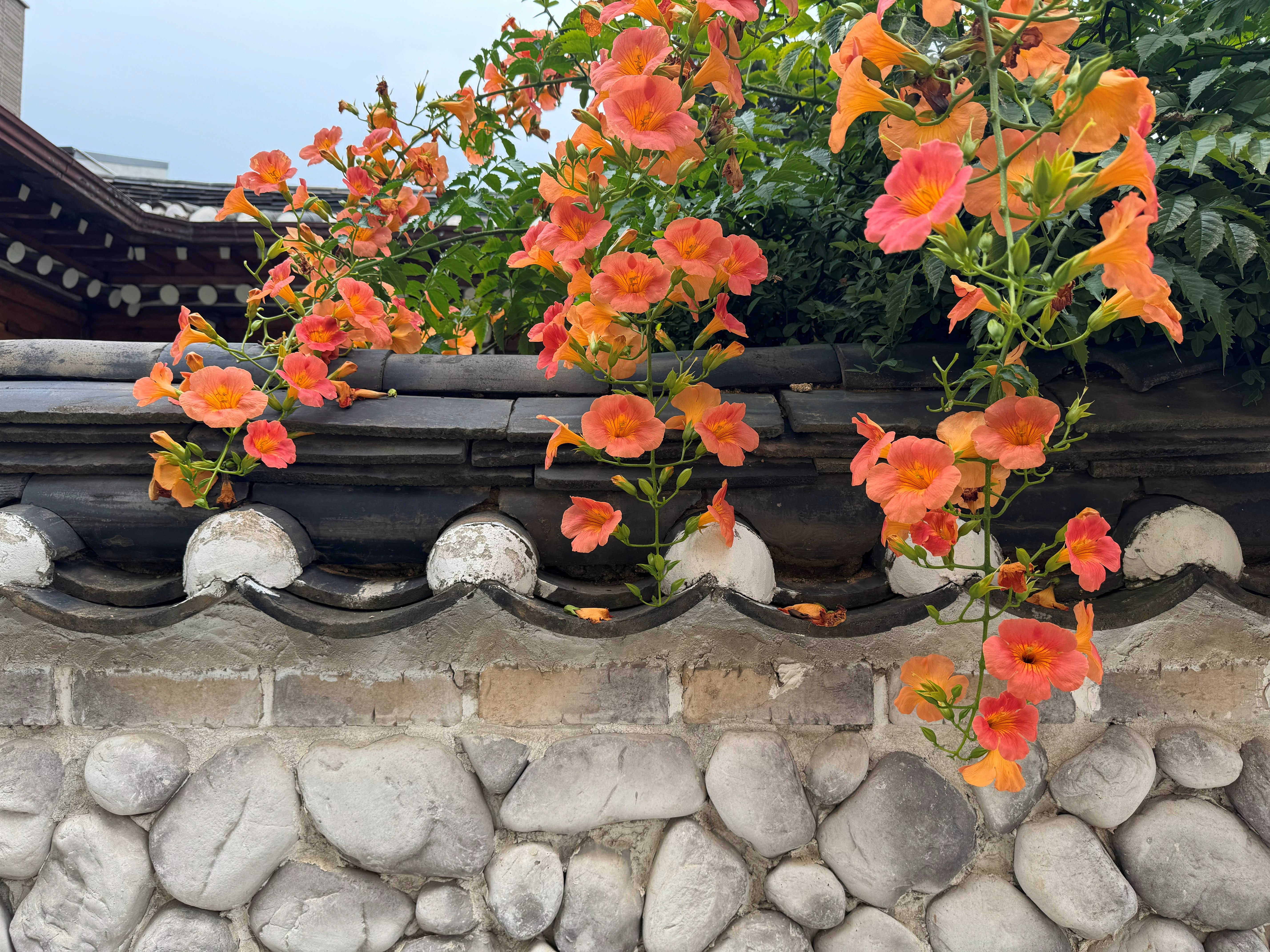
Above all, these neighborhoods offer the "joy of discovery." Emotional cafes, select shops, and small F&B spots are closely tucked away in every narrow alley, giving runners the pleasure of pausing to encounter new spaces. Runners no longer just run and go straight home. A complete running routine now extends to socializing, consisting of a cup of coffee, brunch, and a walk through a hip neighborhood after running. The fact that spots to continue leisure activities are adjacent to various points on the course, along with the fun of discovering those spots on one's own, is the real reason that increases the accessibility of Seochon and Bukchon.

Indeed, the course of an espresso run meeting held around Seochon starts at a running select shop, passes by old tearooms and cafes, goes through the Blue House (Cheong Wa Dae) and Gyeongbokgung Palace, and finishes back at a cafe in Seochon. Running, coffee, and walking through ancient palaces are naturally woven into a single itinerary.
Seochon & Bukchon: Hubs for Palaces and City Runs
Unlike temporary fads that flare up and quickly disappear, running is a trend that reflects the culture and mindset of this era. And this flow is even transforming the landscape of the retail market. Notably, brand strongholds centered around running are rapidly emerging in the Seochon and Bukchon areas, which is highly noteworthy.
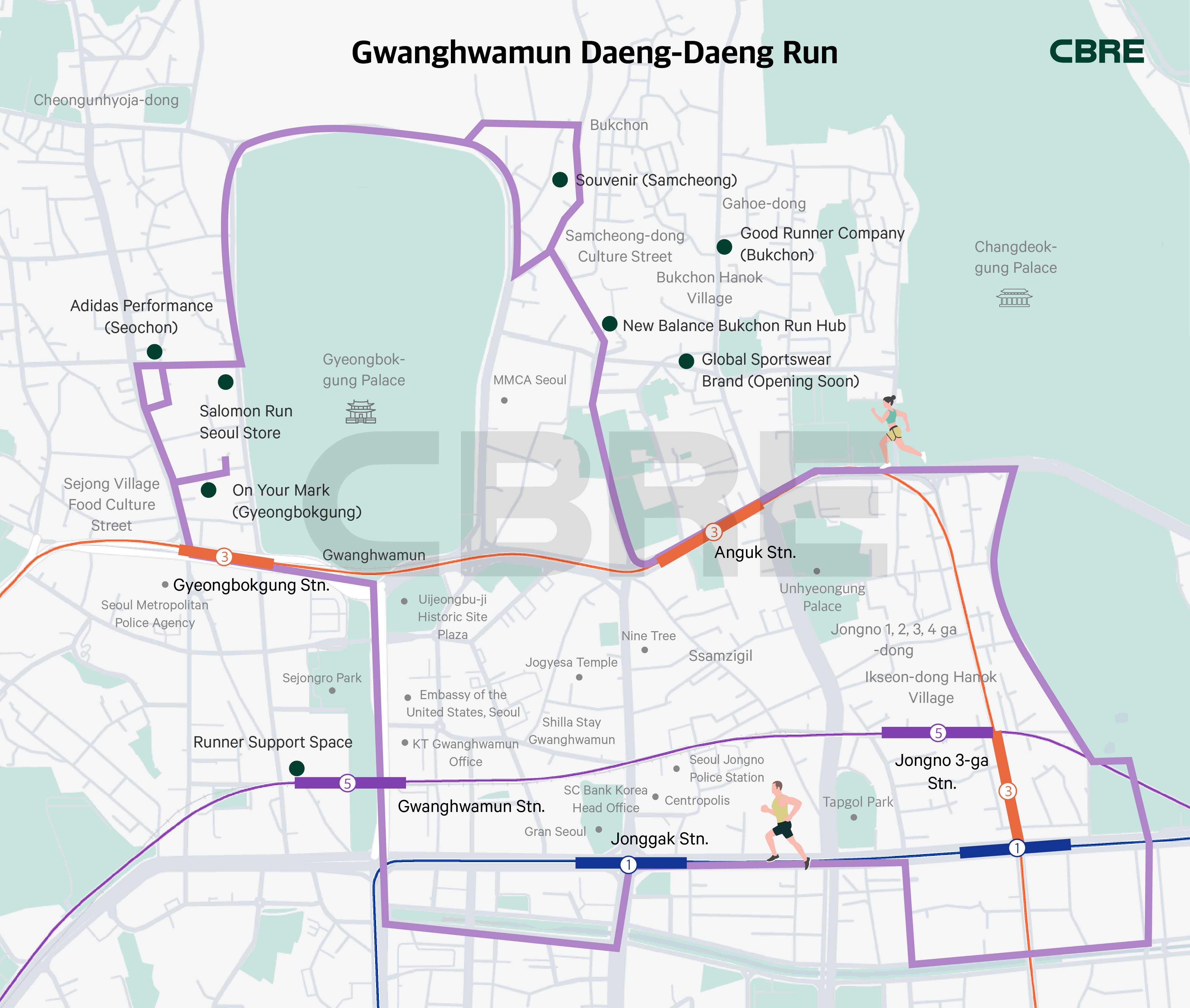
Adidas Performance Seochon is a space that symbolizes "Daengdaeng Run" (dog run), where people run with their dogs. While the Bukchon Heritage Store, which opened earlier, targeted the tourism market, Seochon is Adidas' first running-specialized space in South Korea, positioned right in the middle of runners' actual routes. It spans approximately 200 square meters (about 60 pyeong) across the first basement floor and the ground floor.
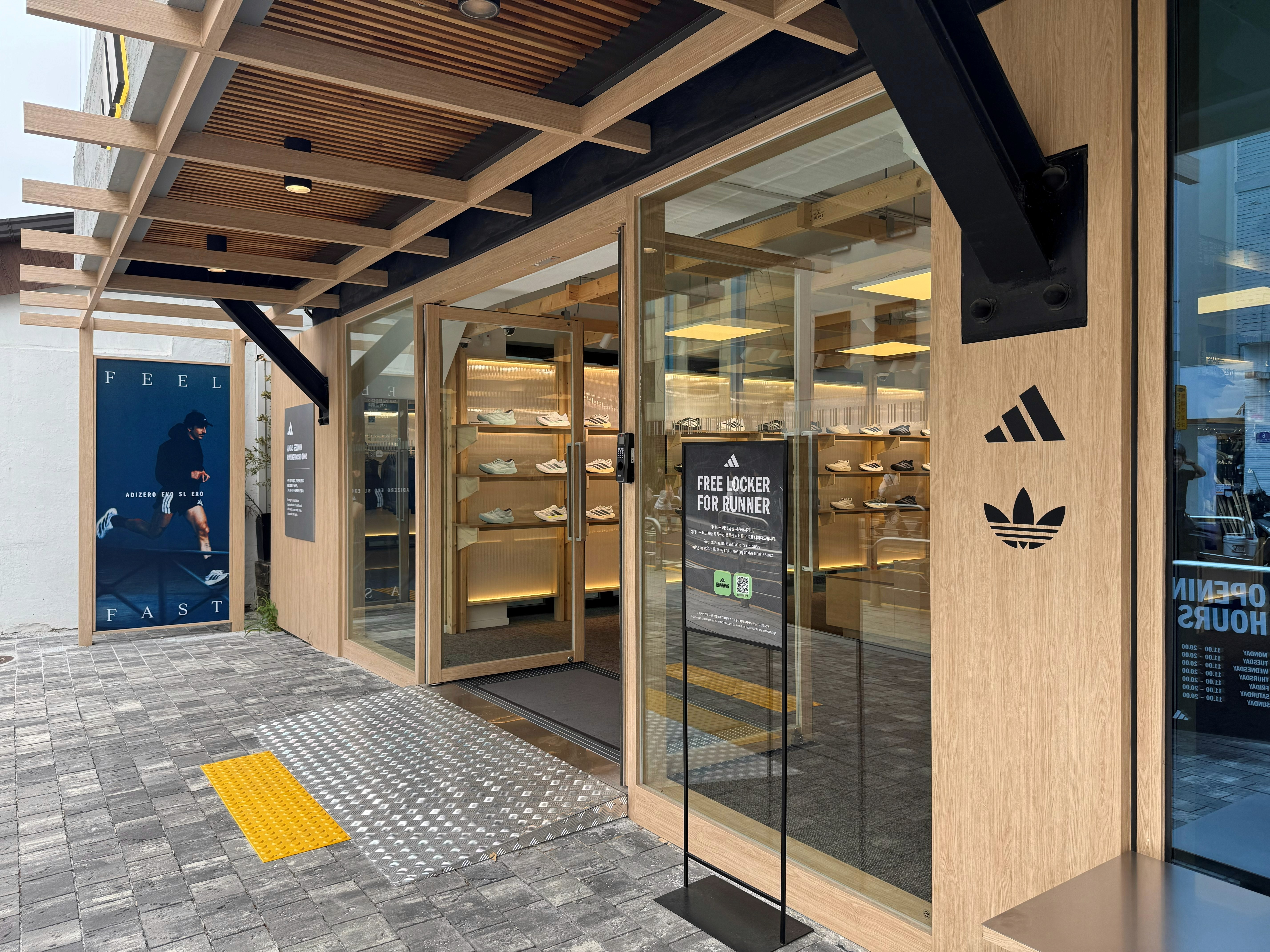
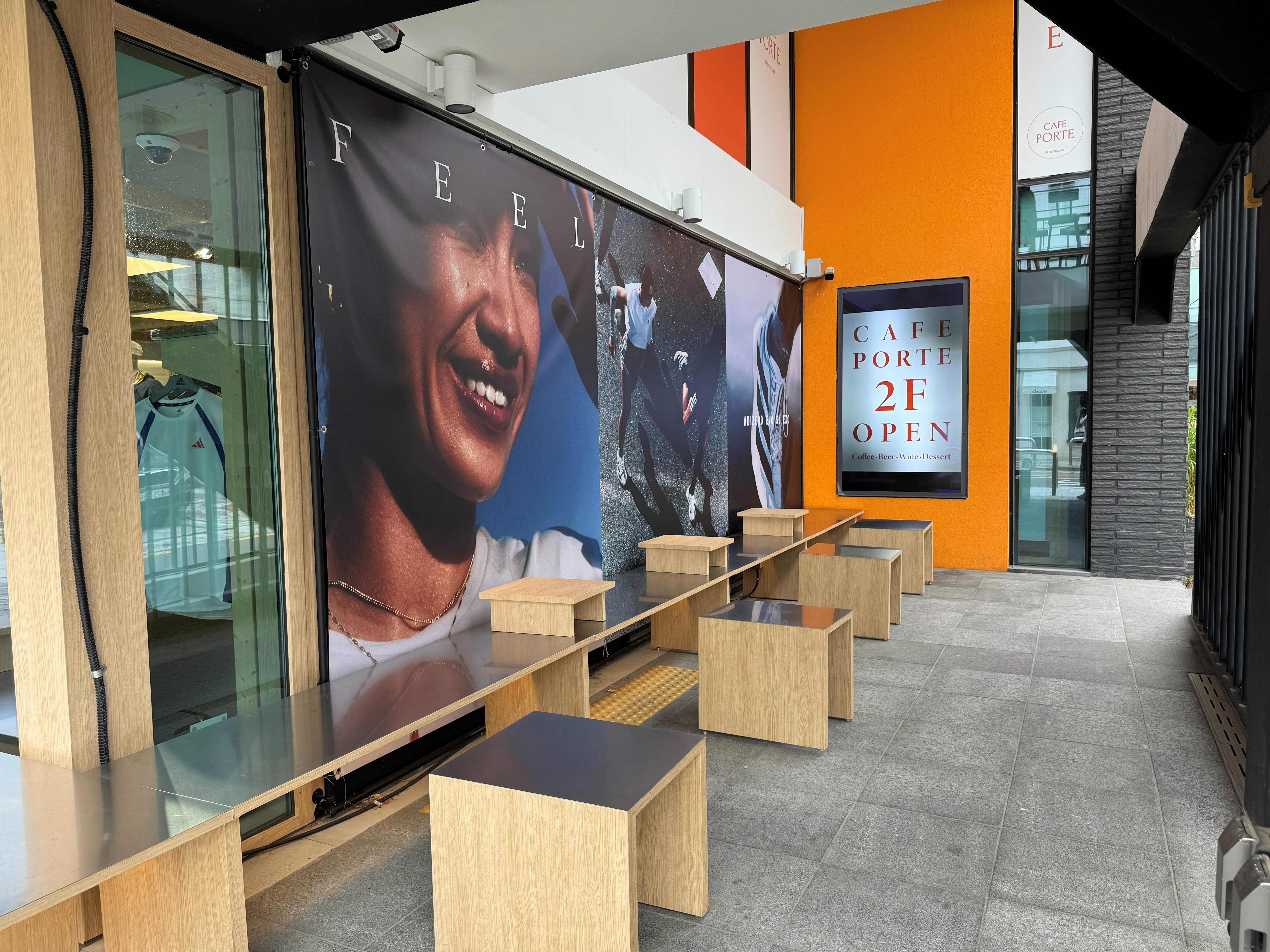
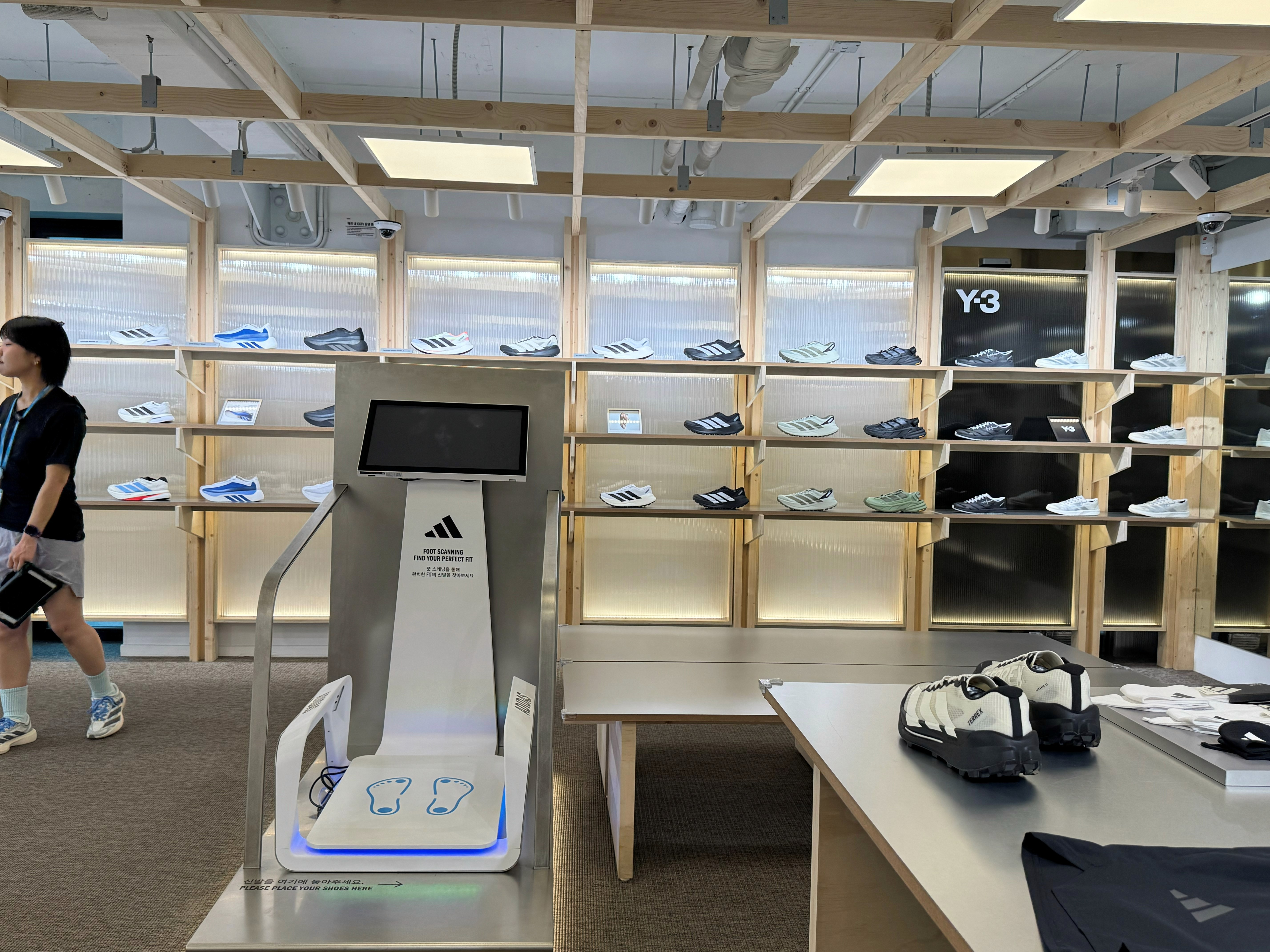
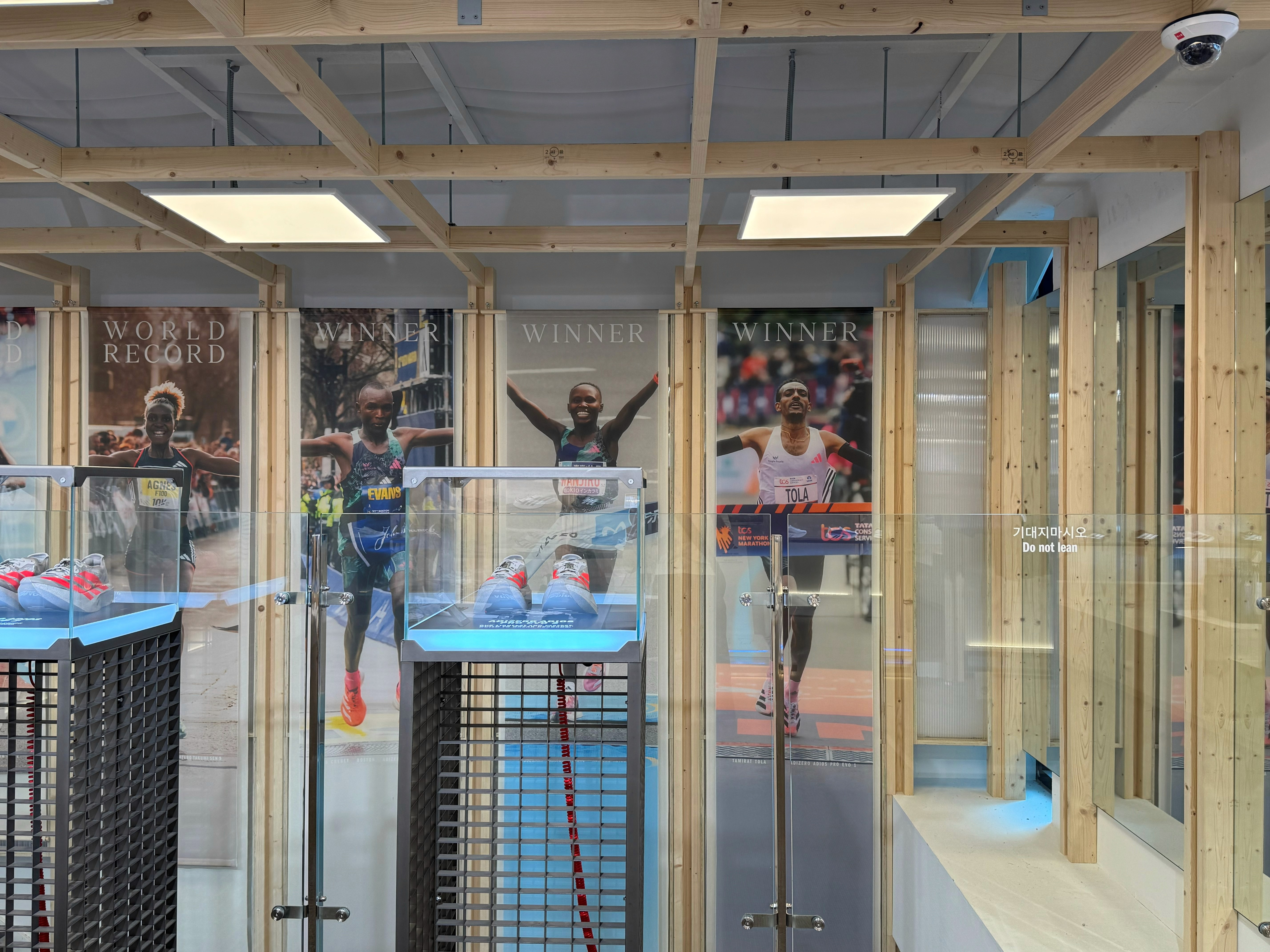
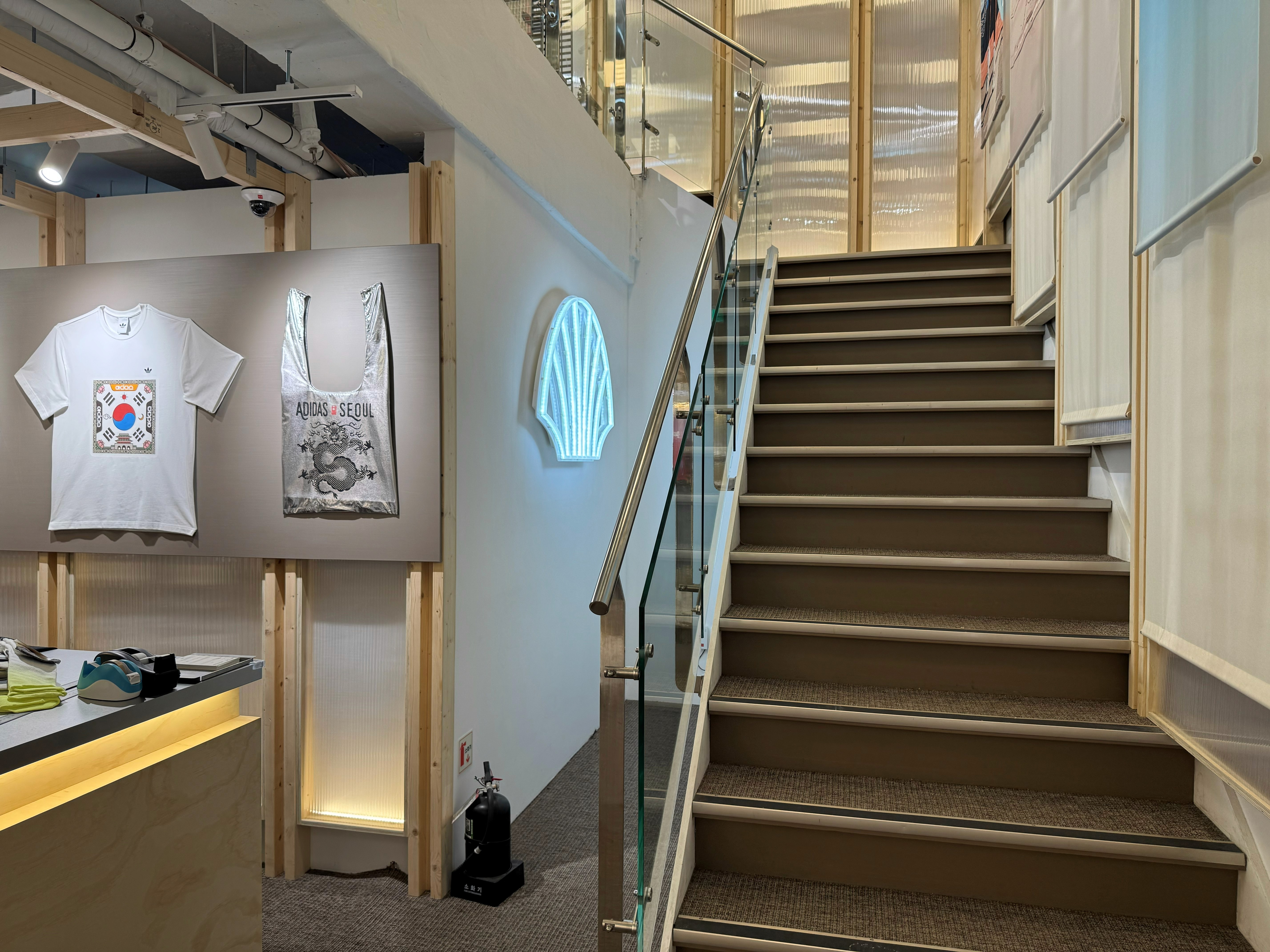
On the ground floor, the brand's identity is immediately revealed. The Adizero line is displayed around the "Launch Zone" showcasing Seoul Marathon-related products, and a foot scanner that measures foot length and width to recommend the right running shoes is set up. Seochon is the first time Adidas has introduced this scanner to one of its stores. The first basement floor has a different vibe. As a lifestyle space based on Originals, the "Made For You" zone allows customers to customize T-shirts and shoes using various graphics and the Seochon running course, and engrave desired phrases on lace locks (dubraes).
The real protagonist of this store lies outside. If you start from the storefront and run about 9 kilometers following the GPS record, a silhouette of a dog's shape is completed on the map. This is the so-called "Daengdaeng Run" course. It became famous even among running beginners after being featured on television, and on weekends, runners who completed the run continue to verify their records in front of the store.

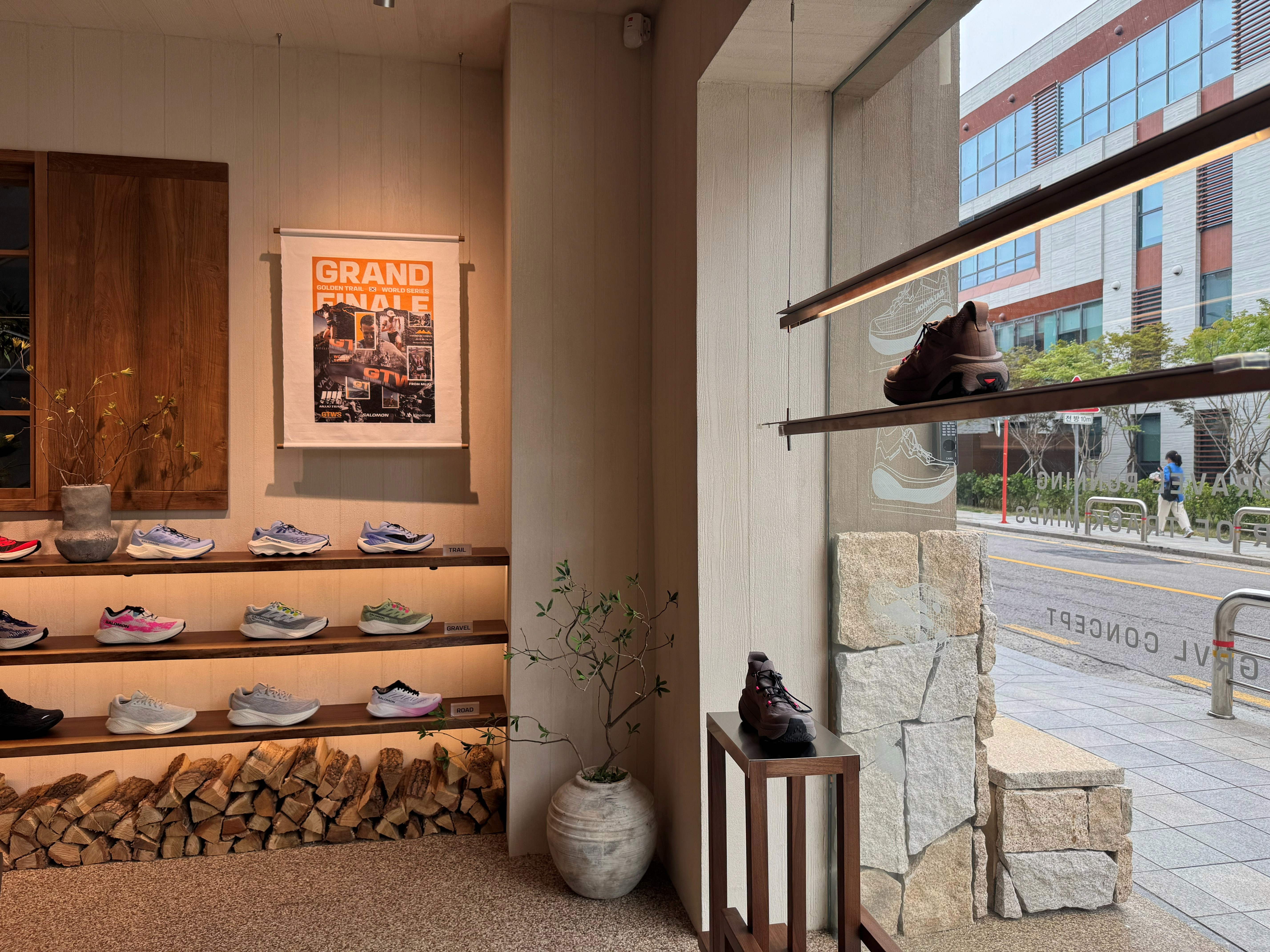
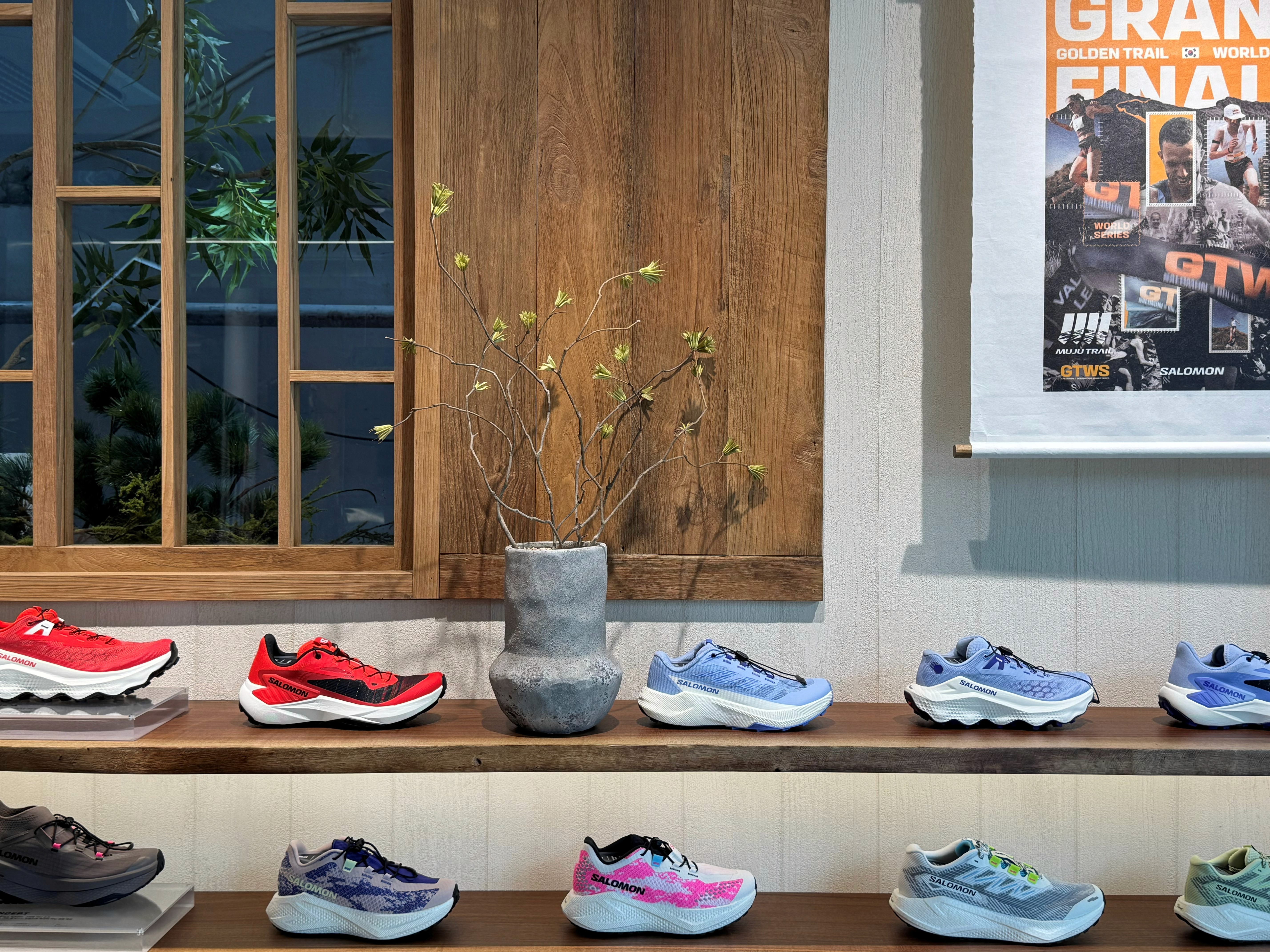
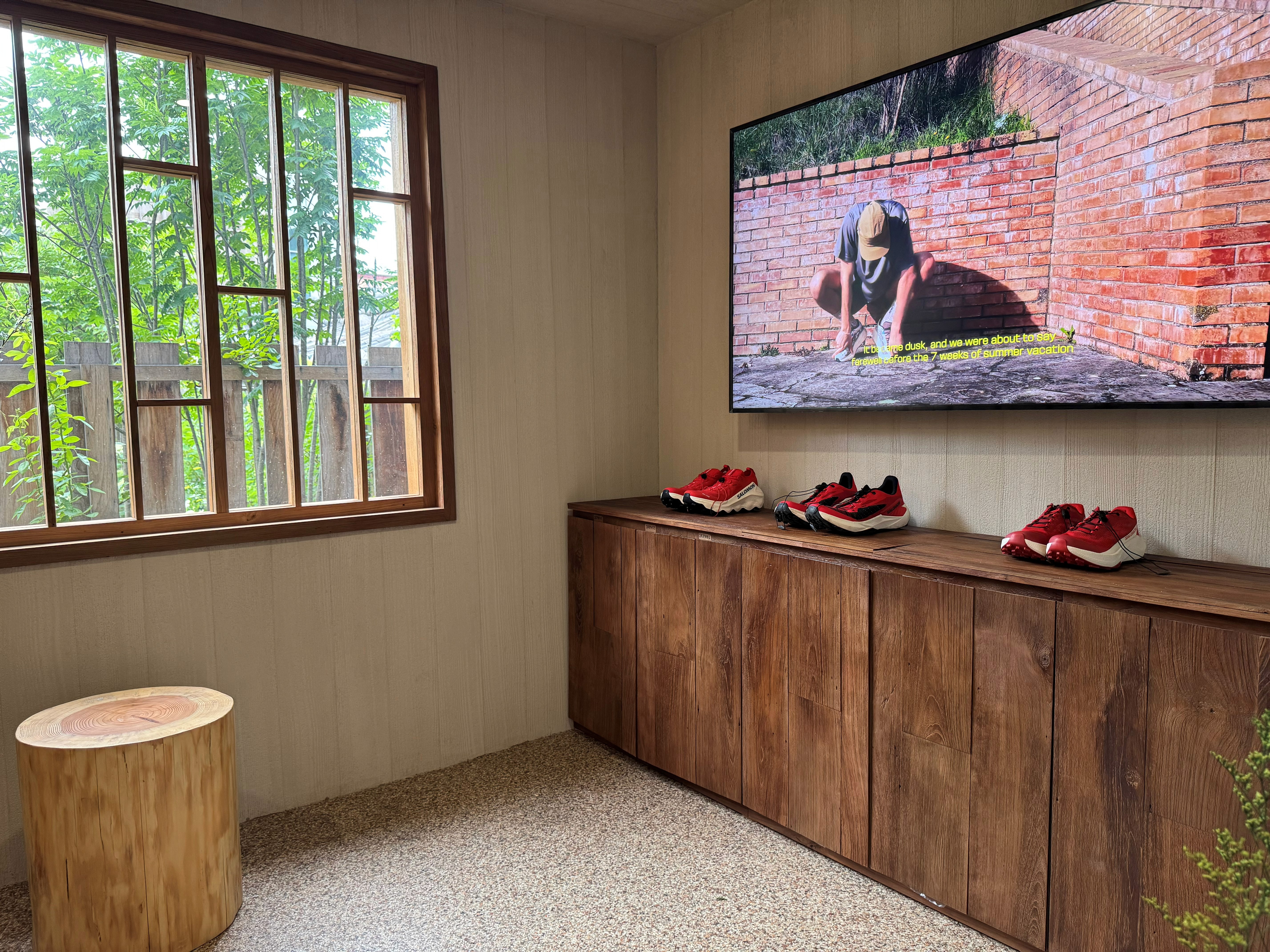
Salomon Trail Run Seoul is a space specializing in trail running, located in Seochon. Opened in April 2025, this is Salomon’s first trail running-specialized store in the world. Targeting its location adjacent to the mountainous terrain of Inwangsan and Bugaksan, it adopted the concept of an Alps base camp. Professional coaches operate sessions for courses of varying difficulty, such as the 5km Inwangsan, 7.5km and 11km Bugaksan, and 9km Ansan courses, allowing runners from beginners to experts to run the mountains according to their levels. It is characterized by bringing the concept of a "checkpoint" to replenish hydration and adjust gear during a race into the space, reinterpreting the ambiance of a Chamonix base camp with the texture of Seochon. While it does not professionally provide gear rental services, tailored trial services are offered to participants in the runs as a trial service concept. A Salomon Seochon representative mentioned that the Trail Run Club, held once a week on Thursdays, is successfully recruited every week, with about 25 participants joining each session.
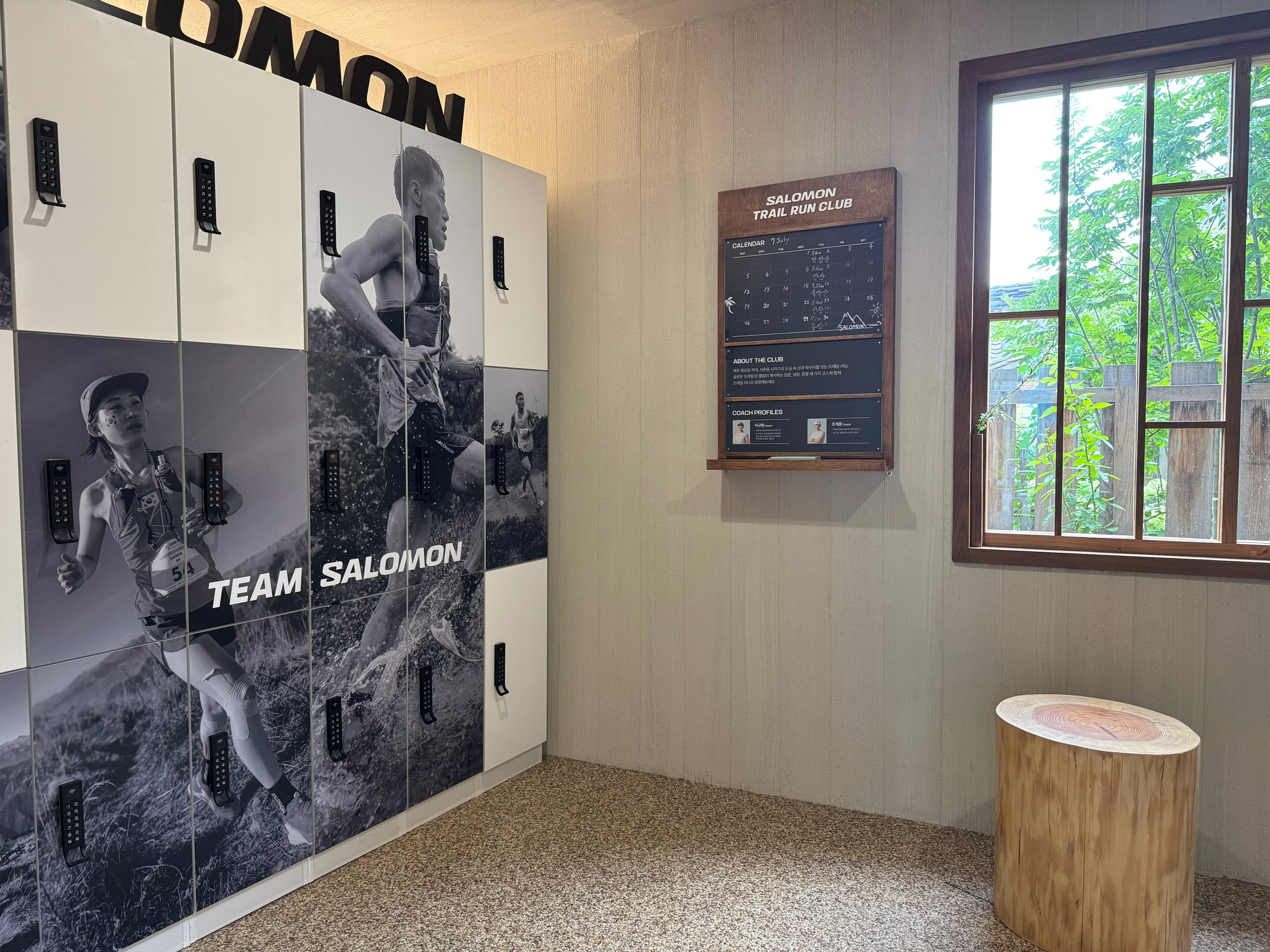
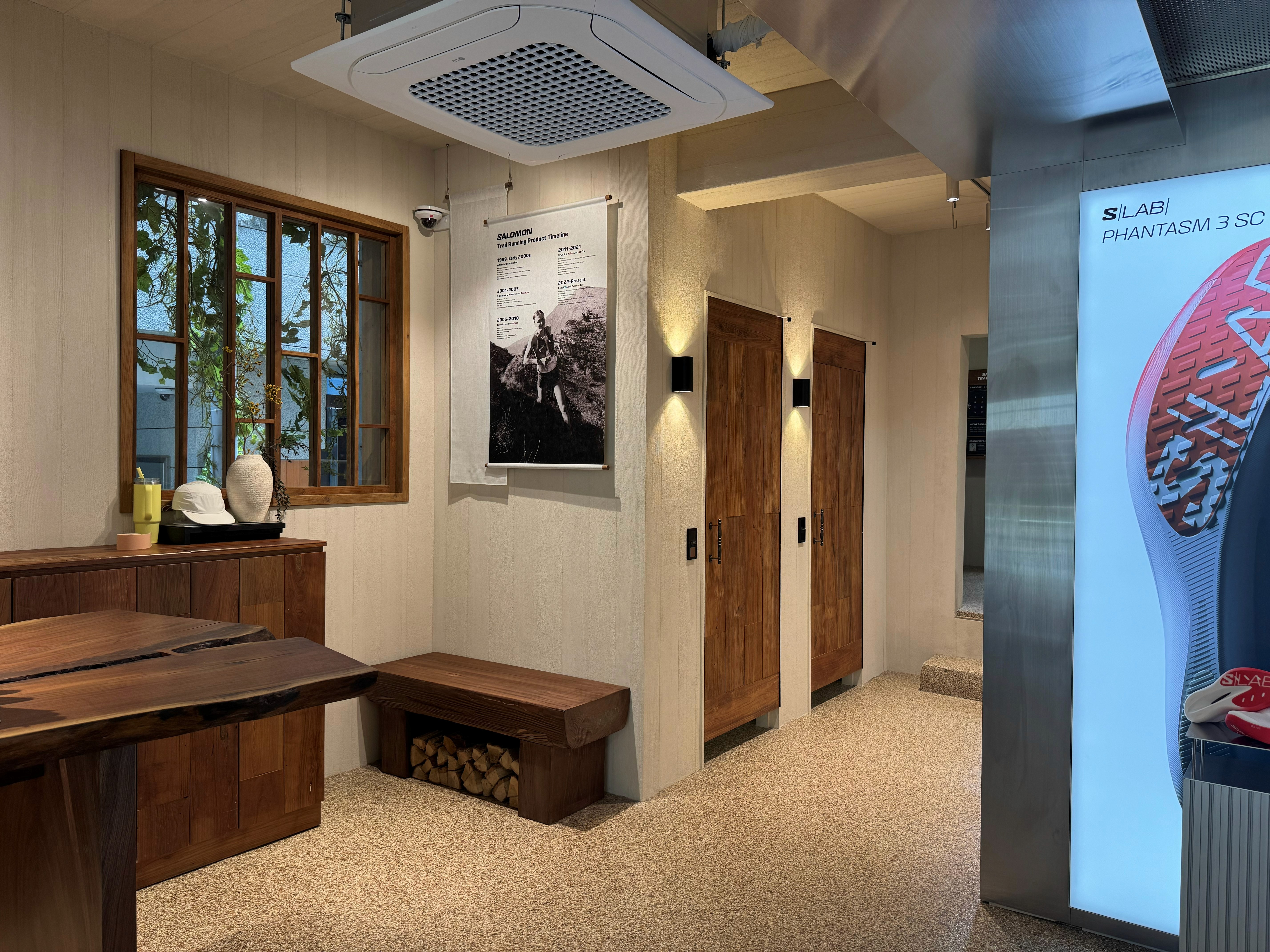
New Balance Run Hub Bukchon is an experiential store that reopened after a renovation in March 2025. By renting out running shoes and apparel and guiding customers to nearby running courses, it serves as a symbolic space in Bukchon that plays the role of a hub where runners can visit empty-handed, run, and leave. Adding services that measure foot shape to recommend the right products and store luggage, dozens of running groups pass through this place every day. It attracts visitors not only from Asia but also European tourists, and products engraved with "Seoul" are said to be particularly popular among foreign visitors.
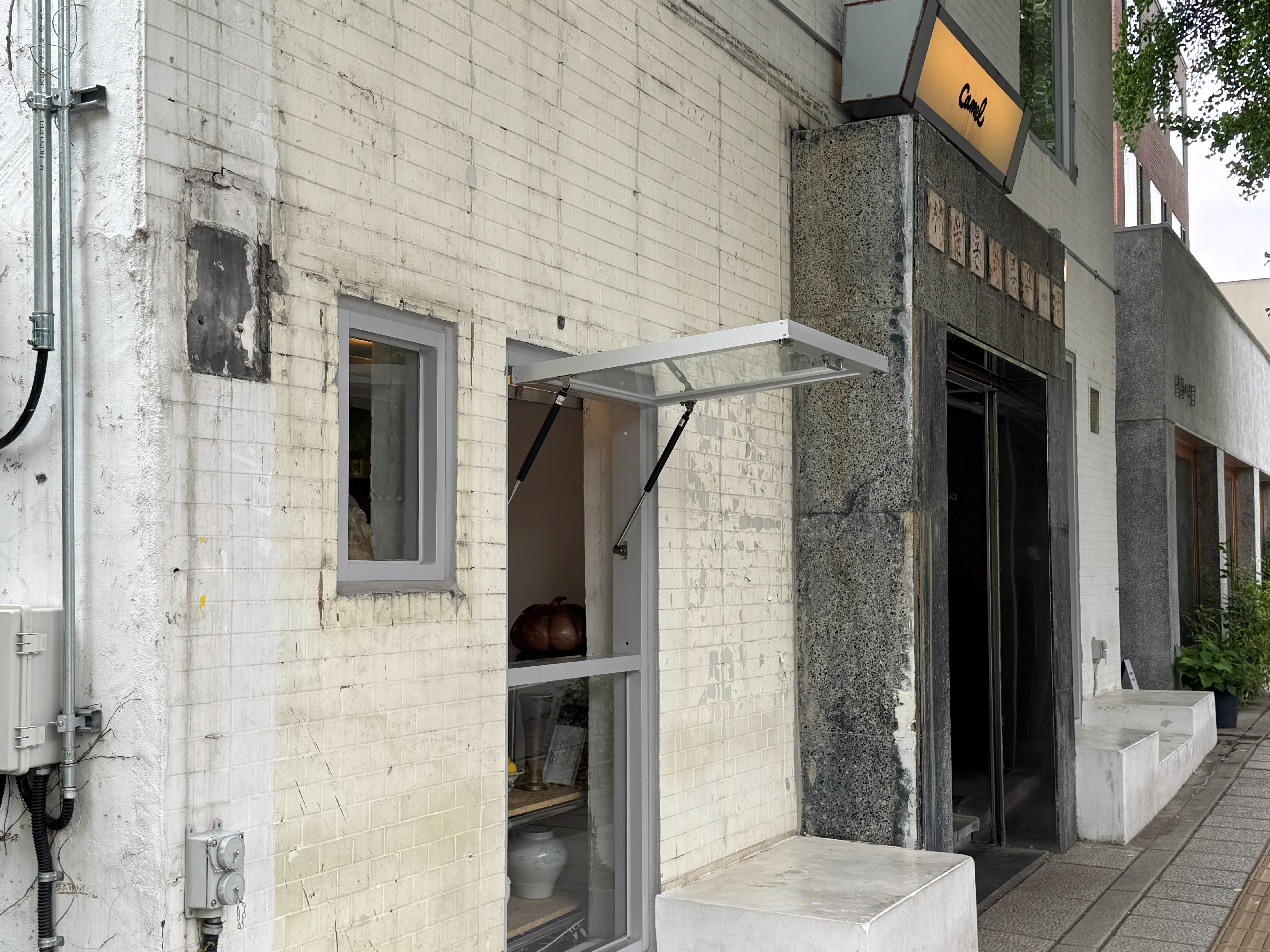
GoodRunner Company Bukchon is a running select shop that preserves the exterior and ambiance of a Hanok. Started by three running enthusiasts as an agency that plans running competitions, events, and programs, they grew it into the current select shop. It advocates a philosophy of proposing "how to run long" rather than "running to cut records." Climbers and runners can try on and test various hard-to-find running shoes, and the shop also serves as a community hub by operating regular running programs based in Bukchon. Located on the path from Anguk Station to Bukchon Hanok Village, running and walking through the neighborhood connect naturally.
An Hideout, Not a Store: The Rise of Community Hub-Type Retail
In an era where online shopping has become dominant, physical stores cannot survive by merely selling products. This is the background of why sports brands have begun redefining stores as "hideouts for runners."
Stores like New Balance Bukchon and On Your Mark are equipped with locker rooms and shower facilities where runners can store their luggage and change clothes. This completes a natural itinerary: "Leave luggage at the store, run the Seochon/Bukchon course, return to wash up, experience the brand, and purchase products."
While retail stores in the past absorbed the floating population of already established commercial districts, they now approach things differently. They function as cultural infrastructure where runners store luggage (Locker), rent and run in new products (Trial), and return to wash up, drink, and socialize (Community). It is a virtuous cycle where the course becomes content, and that content naturally leads to a positive brand experience.
Such effects do not stay only inside the store. As recommended posts linking running courses and nearby cafes, and course content linking running stores, select shops, and cafes into one spread, running stores and neighboring F&B spots are revitalized together. It is a structure where a single store has a positive impact on the entire commercial district.

What's Next
This trend is spreading to various corners of the city center. In Yeouido, The Hyundai Running Club and New Balance Yeouido Run Hub draw runners, while in Seoul Forest, Musinsa Run Seoul Forest and GoodRunner House gather them. Retail strongholds centered on running are expanding throughout Seoul.
What this trend suggests is not simply that running-related stores are increasing. It can be seen as a sign that the very logic of retail location selection is changing.
Traditionally, commercial districts are created by the floating population. The basic formula of retail was that stores open where many people pass by, absorbing that foot traffic. However, the map made by running moves in the exact opposite way. Seochon and Bukchon were not originally commercial districts crowded with large floating populations. What turned these areas into commercial districts was the culture of running and the community that shares that culture. Brands did not enter these areas chasing foot traffic; they came to tap into the already established community.
This is the key shift. Now, commercial districts are formed not by "how many people pass by" but by "what kind of culture gathers there." When a collective culture that shares tastes and lifestyles like running settles in a neighborhood, brands literally willingly seek it out to position themselves within the context of that culture. Transitioning from retail that absorbs foot traffic to retail that hops onto cultural trends, Seochon and Bukchon are places that show this change most vividly.
Another notable aspect is that this culture is crossing borders. Seoul's running courses connecting Gyeongbokgung Palace, the Blue House, and the Han River are in themselves content that can only be experienced in Seoul. The trajectory of palace running drawn on GPS has high potential to be consumed by foreign visitors as an attractive travel experience—a so-called "tour run." There is no better content for foreigners who want to consume Korea more deeply and uniquely than just wearing Hanbok and taking photos at ancient palaces. When the global common language of running is layered with Seoul's unique ambiance, it becomes a powerful marketing point for brands to summon runners from all over the world to Seoul. This means the K-running map could become the next chapter of K-culture.
Runners' footsteps are already changing commercial districts. A trend where culture, not foot traffic, creates commercial districts and that culture expands across borders. It remains to be seen to what extent this change—where courses become content and stores become communities—will redraw the retail map of Seoul.

© Copyright 2026. All rights reserved.
This publication has been prepared in good faith, based on CBRE Korea's current anecdotal and evidence based views of the commercial real estate market. Although CBRE Korea believes its views reflect market conditions on the date of this presentation, they are subject to significant uncertainties and contingencies, many of which are beyond CBRE Korea’s control. In addition, many of CBRE Korea’s views are opinion and/or projections based on CBRE Korea’s subjective analyses of current market circumstances. Other firms may have different opinions, projections and analyses, and actual market conditions in the future may cause CBRE Korea’s current views to later be incorrect. CBRE Korea has no obligation to update its views herein if its opinions, projections, analyses or market circumstances later change.
Nothing in this publication should be construed as an indicator of the future performance of CBRE’s securities or of the performance of any other company’s securities. You should not purchase or sell securities-of CBRE or any other company-based on the views herein. CBRE Korea disclaims all liability for securities purchased or sold based on information herein, and by viewing this publication, you waive all claims against CBRE Korea as well as against CBRE Korea’s affiliates, officers, directors, employees, agents, advisers and representatives arising out of the accuracy, completeness, adequacy or your use of the information herein. No part of this publication may be reproduced, quoted, distributed, or disclosed to any third party without the prior written consent of CBRE Korea.

trend
Aug 31, 2026
24,000 Traditional Pubs Disappeared
Lowest Alcohol Consumption in 27 Years and a 46% Plunge in Bars: The Next Formula for Nightlife Economy
trend
Apr 20, 2026
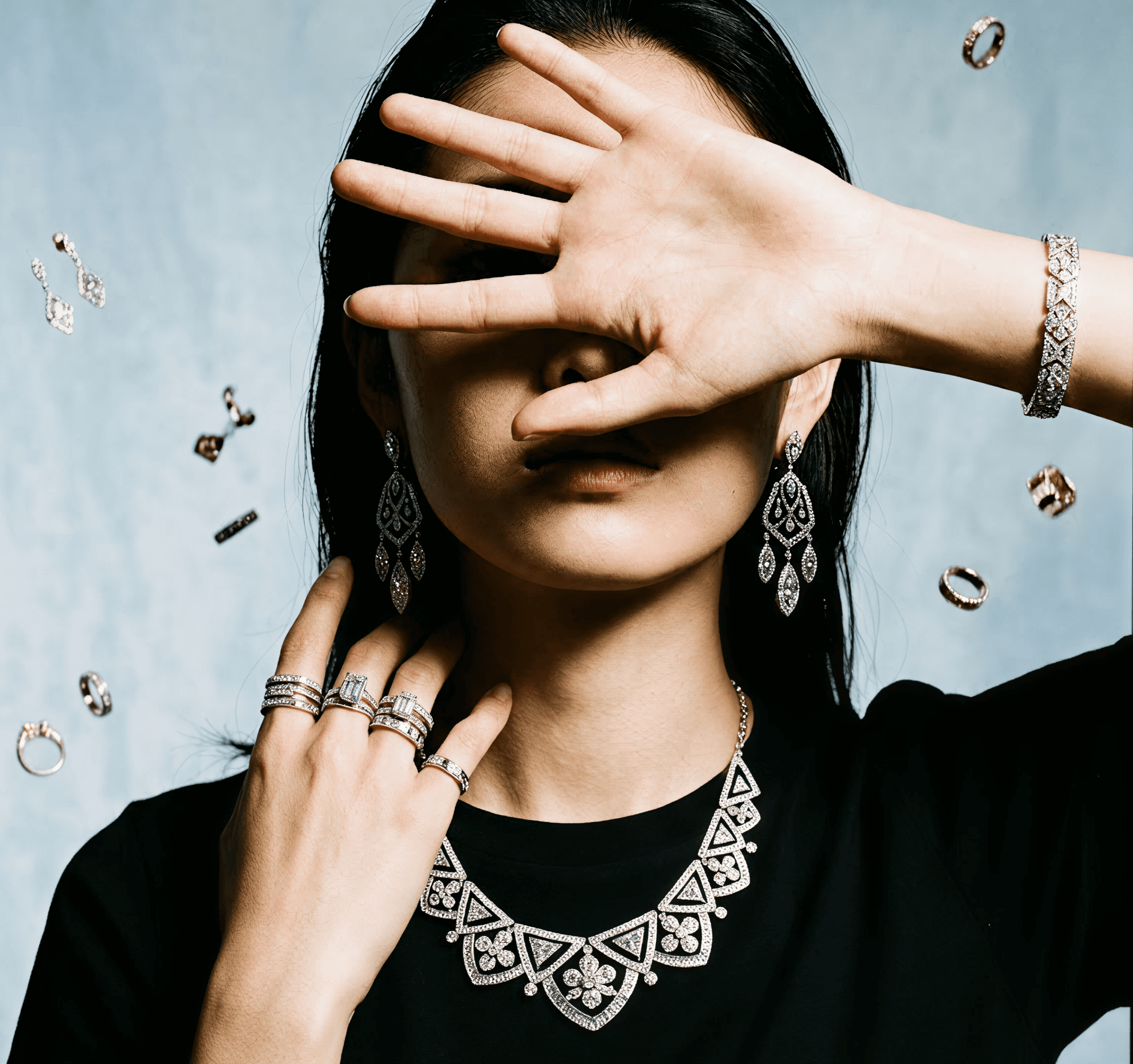
Then it was bags, now it is jewelry.
"Rather than buying a 14 million won bag..." Consumers start 'Open Runs' at 'this place'
trend
Apr 13, 2026
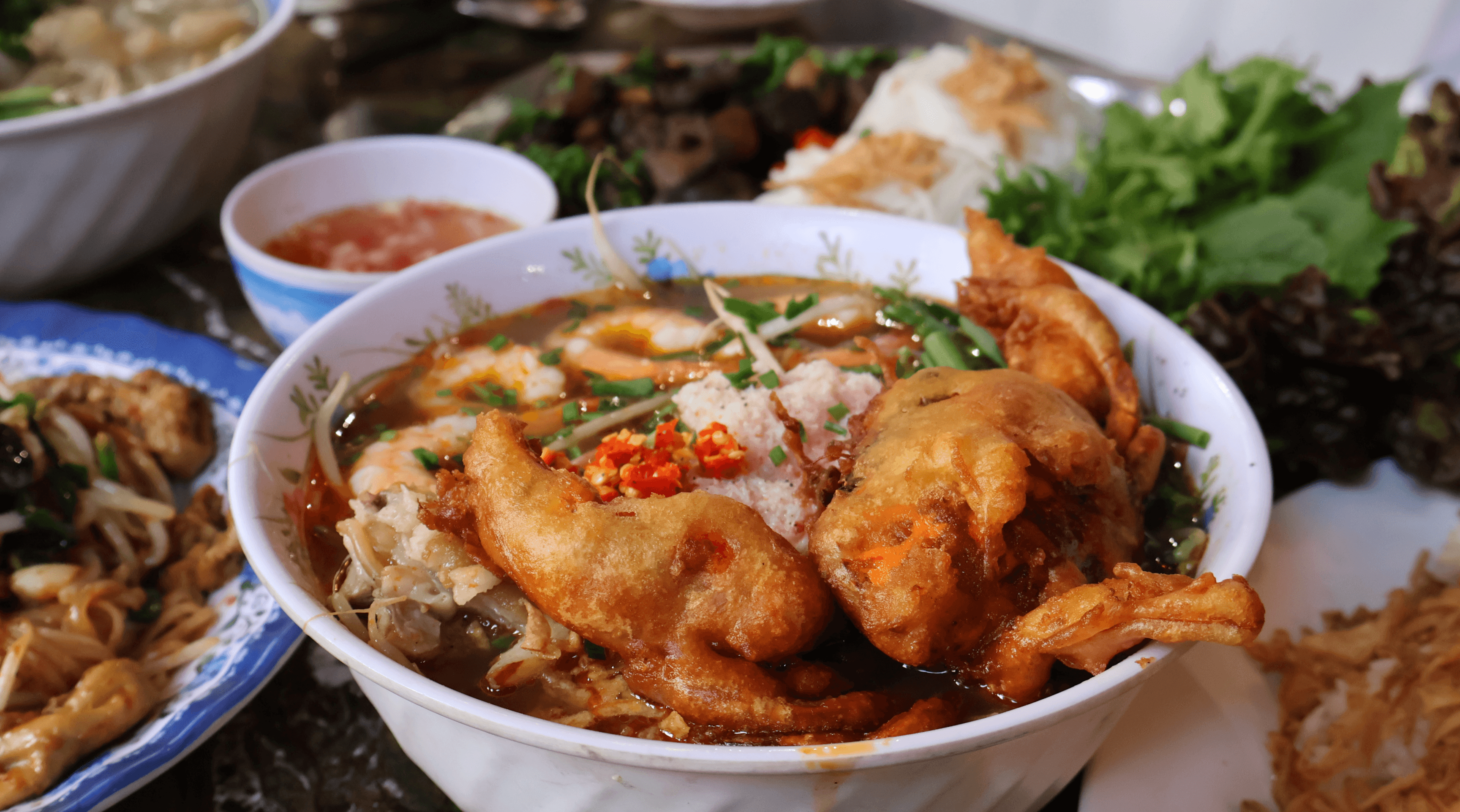
The Secrets Behind the Success of Eulji Kankan
Appeared in Culinary Class Wars Season 2, Representative Cho Kyung-chan of Eulji KkanKkan—who brought the taste of real, local Vietnam to Korea—talks about his laws of entrepreneurship, space, and expansion.
trend
Apr 13, 2026
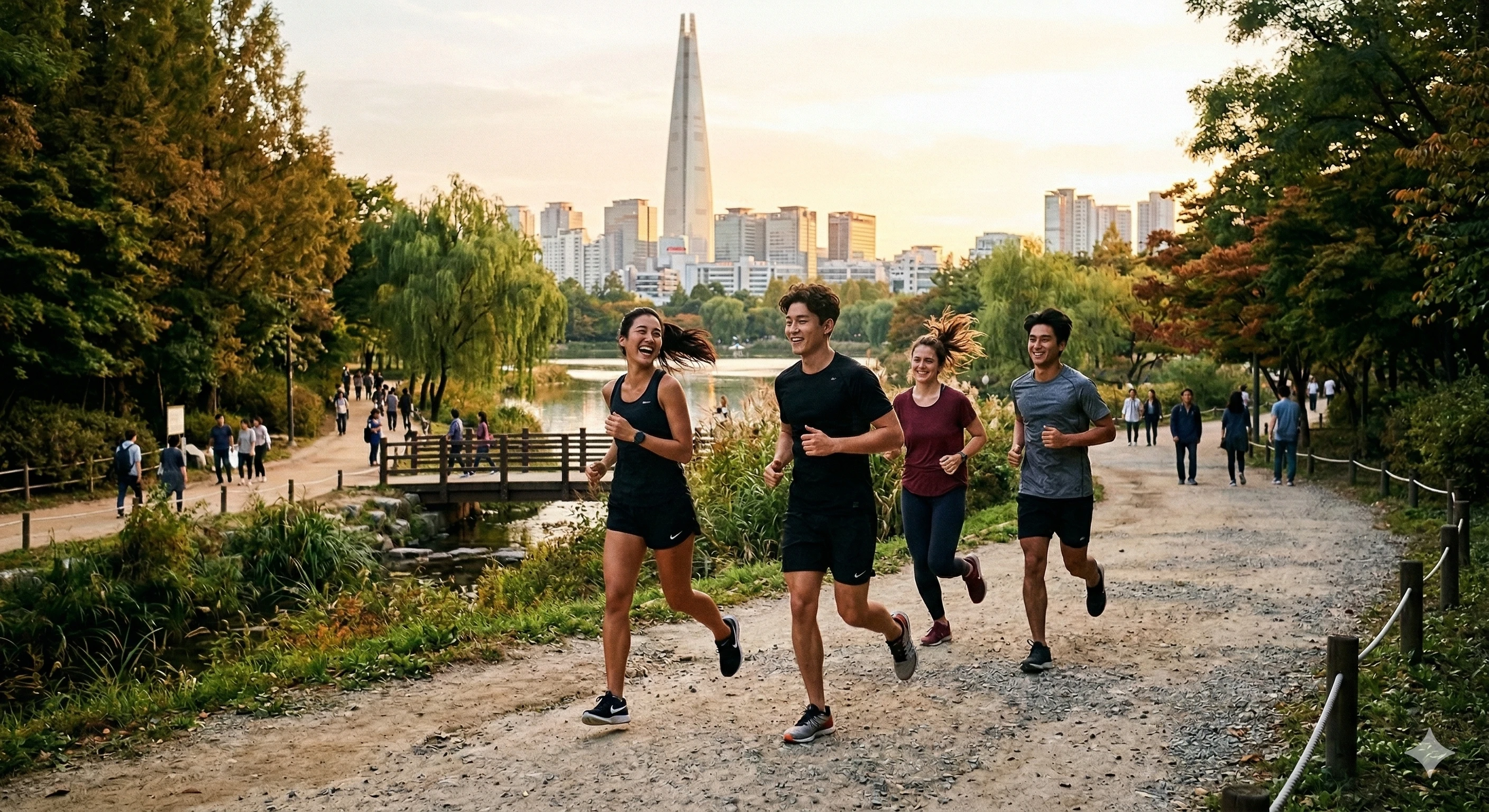
Runners' Basecamp: SEOUL
UVU chose Seongsu over London for its world-first store — how Seoul's running scene is redrawing the retail map.
trend
Apr 13, 2026
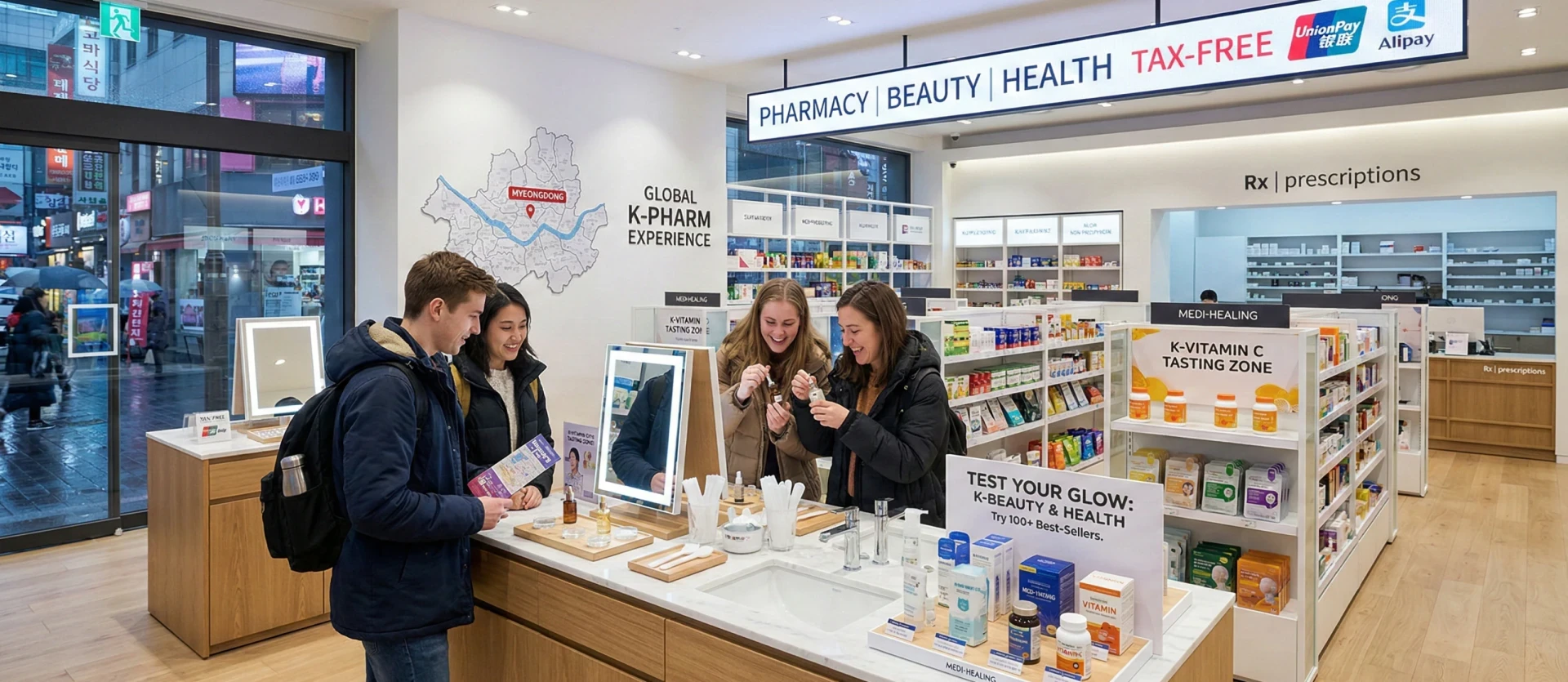
Pharmacy or Olive Young?
How K-pharmacy became Seoul's most unexpected anchor tenant category.
trend
Apr 13, 2026
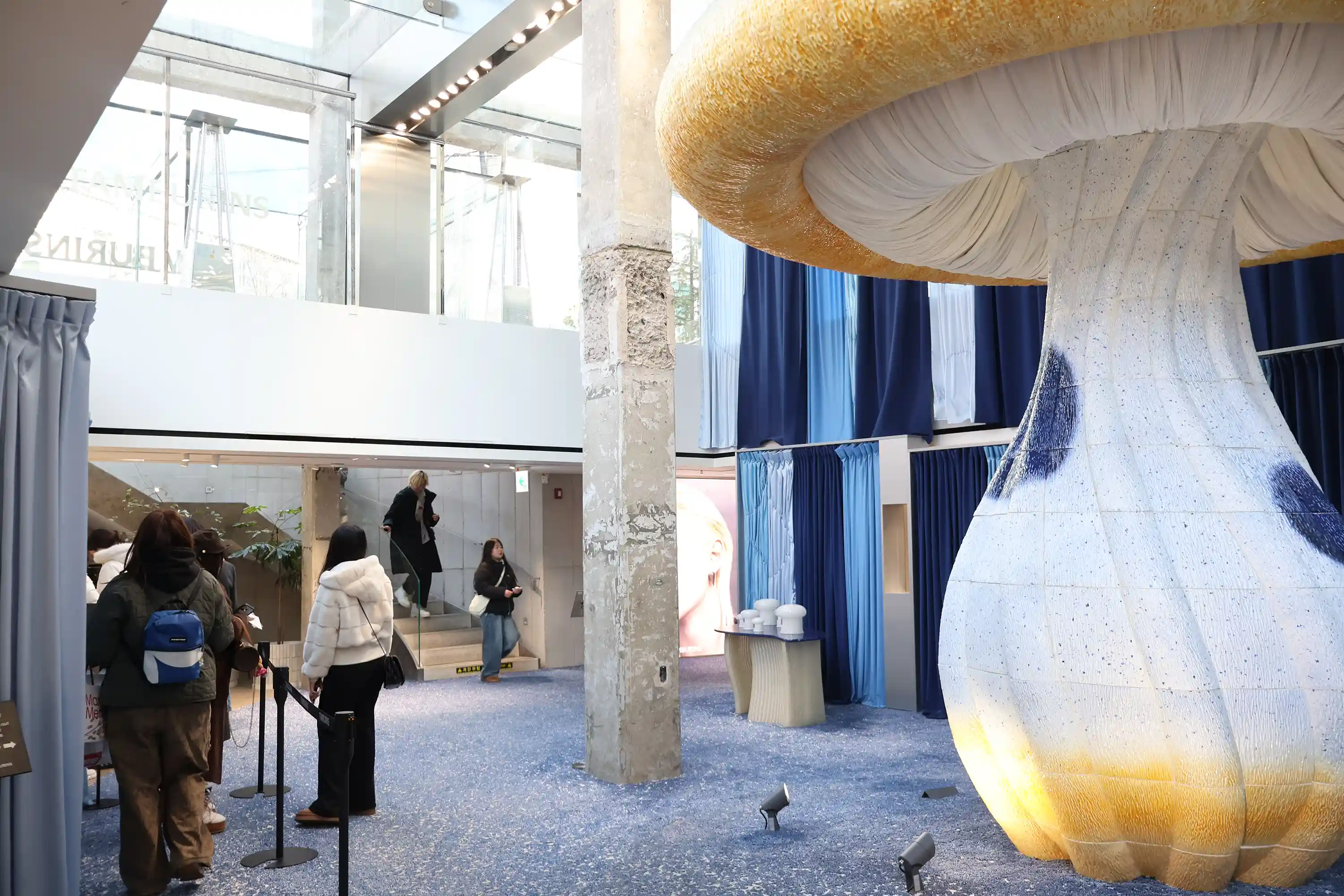
2026 Retail Trend: Keep the Taste, Cut the Risk
Frugal and indulgent in the same afternoon — how South Korea's ambivalent spending pattern is reshaping retail strategy in 2026.