Back
Share
Like

trend
Article Highlights
Decline in Global Alcohol Consumption: Due to moderation among the 2030 generation and a decrease in after-work dinners, major nightlife districts across Seoul, London, and Tokyo are experiencing a structural decline.
Shift in Commercial Retail Formula: The district model centered on large-scale spaces and fast turnover has shifted toward high-sensitivity bars focused on small areas and longer dwell times.
Reorganization of Alley District Tenants: Places once occupied by draft beer pubs are now being filled with gacha shops, cafes, and hybrid spaces, reshaping nightlife districts into non-drinking, taste-oriented streets.
Alcohol Sales are Dropping: Lowest in 27 Years
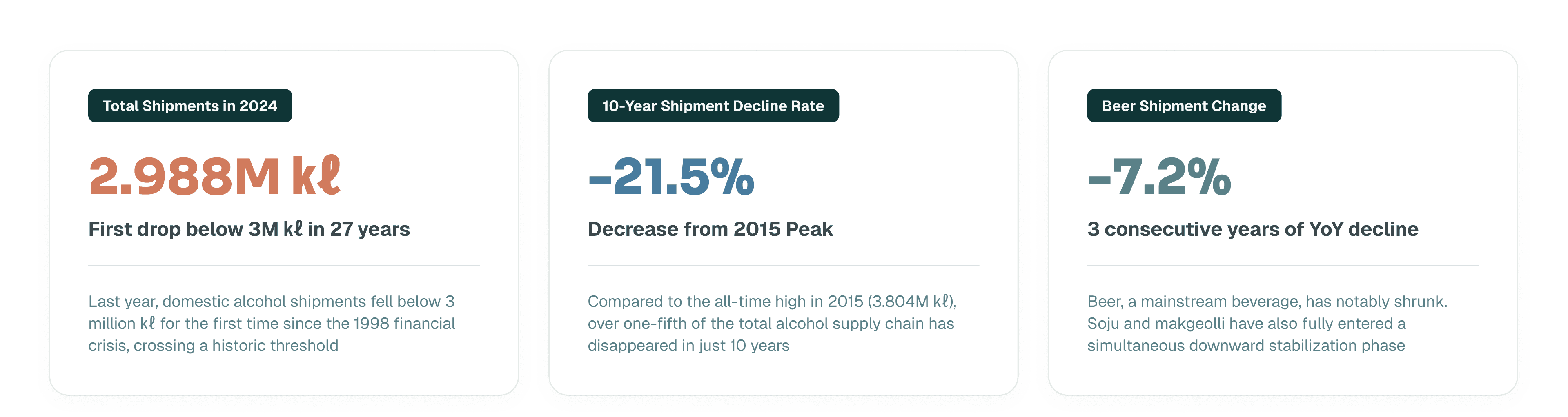
Last year, domestic alcohol shipments in Korea recorded 2.988 million ㎘, dropping below the 3 million ㎘ line for the first time in 27 years since the 1998 Asian Financial Crisis. Compared to the peak in 2015 (3.804 million ㎘), 21.5% has evaporated in just 10 years. Beer shipments shrank by 7.2% compared to the previous year, continuing a decline for three consecutive years, while soju and makgeolli have also been on a downward trend for several years. The simultaneous decline of these three major popular alcoholic beverages indicates a clear structural recession rather than a temporary economic cycle.
The way people drink has also changed. In the mid-to-late 2010s, drinking metrics showed people drank about 9.5 days a month and 7.2 glasses per occasion. In recent surveys, this has dropped to an average of 8.8 days a month and 6.6 glasses per occasion, entering a stage of downward stabilization in both frequency and volume.
The next generation is at the center of this trend. The high-risk drinking rate among men in their 20s plummeted from 17.8% to 10.4% in 10 years, and recently slumped to 9.7%. Today's 20-somethings are a generation that fundamentally did not learn binge drinking. The drinking culture, which used to be passed down through freshman welcoming parties and rounds of after-work drinking sessions, saw its chain of inheritance broken as this group entered adulthood starting college with non-face-to-face activities during the pandemic.
In the meantime, health and self-care have become the new norms of this generation. The average daily alcohol consumption of people in their 20s is already about 3% lower than that of those in their 60s. Even on convenience store shelves, protein drinks and healthcare products are rapidly replacing processed milk and canned beer, which reigned as undisputed number-one items for decades. A generation that considers the cost of alcohol and hangovers as having the worst cost-effectiveness—and picks up protein shakes instead of alcohol—has entered the market as the mainstream.
The crucial point is that this is not a temporary "period effect" due to a simple recession, but rather a "cohort effect" deeply imprinted on a generation. A generation that has not learned to binge drink will not return to past drinking patterns even as they grow older and their income increases. This is why we must recalculate the night commercial districts from now on, anticipating when those who will host after-work gatherings 10 years from now reach their 30s and 40s.
Then, how are today's retail and commercial districts facing this massive structural shift?
Bars are Vanishing: Halved in 8 Years
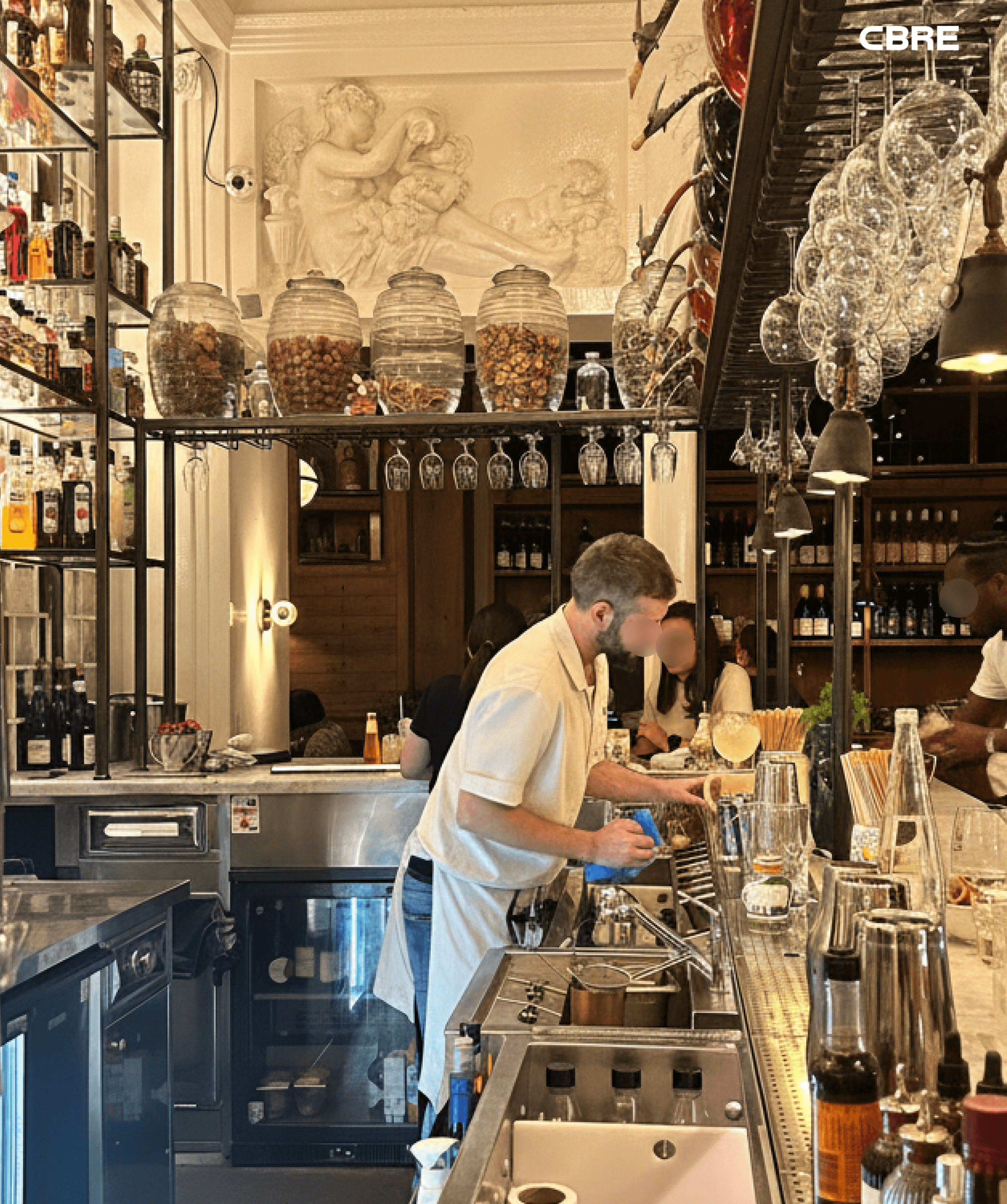
When consumption decreases, spaces are bound to shrink as well. According to National Tax Service statistics, the number of bars (casual bars and pubs/hofs) nationwide plummeted 46.1% from 52,302 in March 2018 to 28,178 in March 2026. This means about 24,000 bars closed down in just eight years. Casual bars were cut exactly in half, dropping by 50.8%, while beer pubs (hofs) also decreased by 44.0%. With nearly 3,000 businesses closing, almost a 10% drop, in just the past year, the decline shows no signs of stopping.
Looking closer at Seoul, the situation is even harsher. In the first quarter of this year, only 272 new pubs and casual bars opened in Seoul (an opening rate of 2.0%), while 547 closed down (a closure rate of 3.9%). Closures doubled the number of openings. Without exception, closures have outpaced openings every single quarter, showing that negative growth has become completely entrenched.
Along with the decline of bars, the "second-round infrastructure" that supported late-night gatherings is also collapsing. Karaoke rooms (noraebangs) have been on a 15-year downward trend since peaking at around 35,300 places in 2011, and have now dwindled to around 27,000.
This is the result of the disappearance of demand for a second round of drinks altogether, driven by the 52-hour workweek and the establishment of a work-life balance culture. The second-round route that used to lead to karaoke rooms has been replaced by coffee shops, and returning home around 10 PM has become the new standard for corporate dinners. The late-night flow, which used to start with getting tipsy in the first round and naturally drifting to a second round, has been cut off entirely. Ultimately, beyond the level of a few pubs closing down, the city's entire night ecosystem, which used to revolve around beer pubs, is shrinking as a whole.
London's Pubs, Tokyo's Izakayas: An Unstoppable Global Phase-Out
This collapse and reorganization of nightlife districts is not unique to South Korea. In the birthplaces of traditional drinking cultures representing various countries, large-scale entertainment spaces are disappearing with the exact same speed and trajectory.
United Kingdom: A Quarter of Pubs Disappear in the Land of Pubs
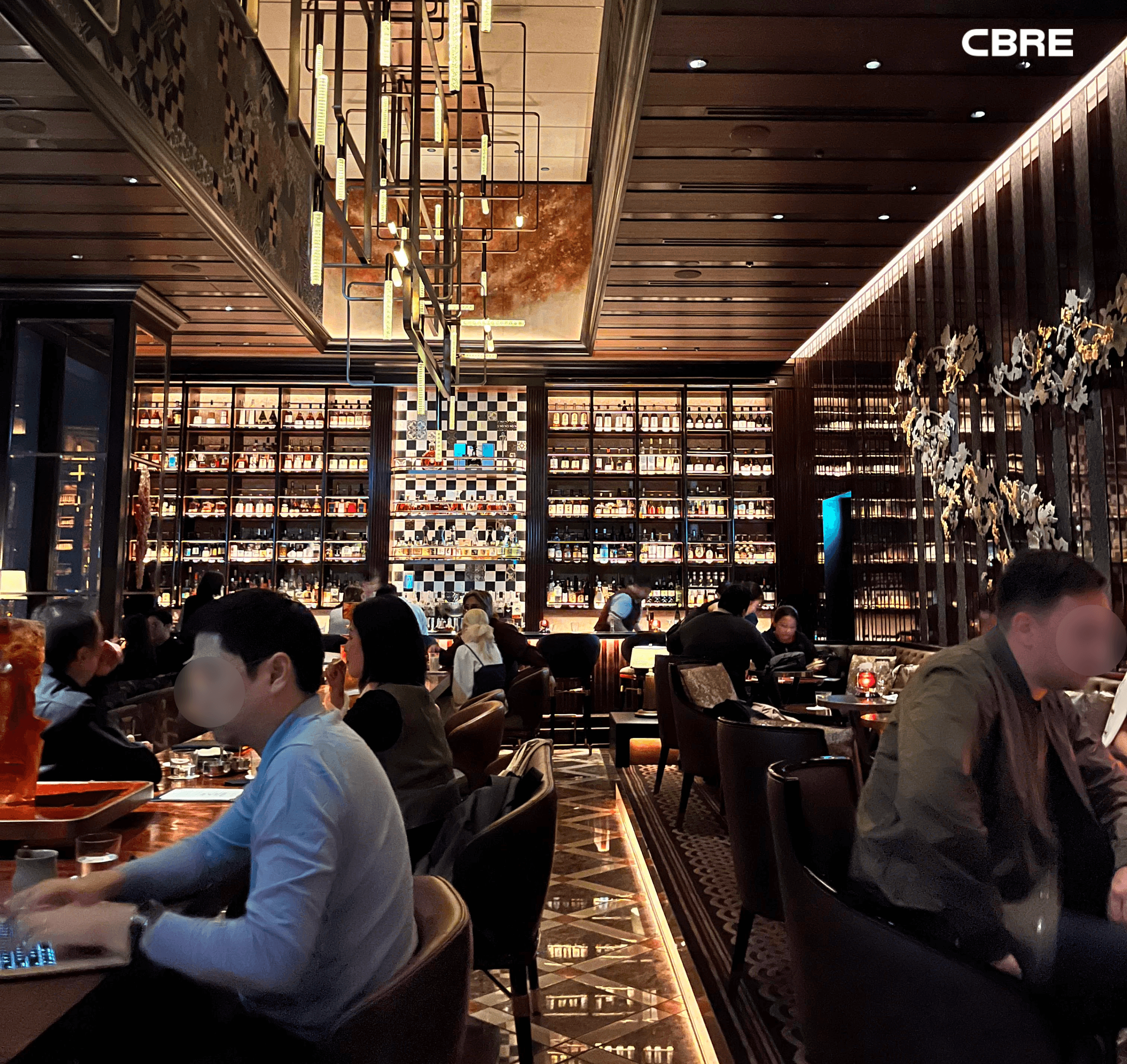
In the UK, the home of pubs, more than a quarter of pubs closed over 25 years, dropping from 60,800 in 2000 to 44,650 in 2025. Recently, the pace of closure has accelerated to about eight pubs per week. The situation for large night clubs is even more extreme. According to the UK's Night Time Industries Association (NTIA), clubs are closing at a rate of one every two days, and 39% of young people aged 18 to 24 do not drink alcohol at all. The spaces left by bankrupt large club chains are being converted into small dance bars or non-alcoholic event spaces, and Friday night socializing has moved from pubs to running clubs, Padel courts, and coffee raves. Large spaces for getting drunk are shrinking, while small, taste-centered bars and wellness sports continue to grow.
Japan: The End of 'Nomikai' and Record-High Izakaya Bankruptcies
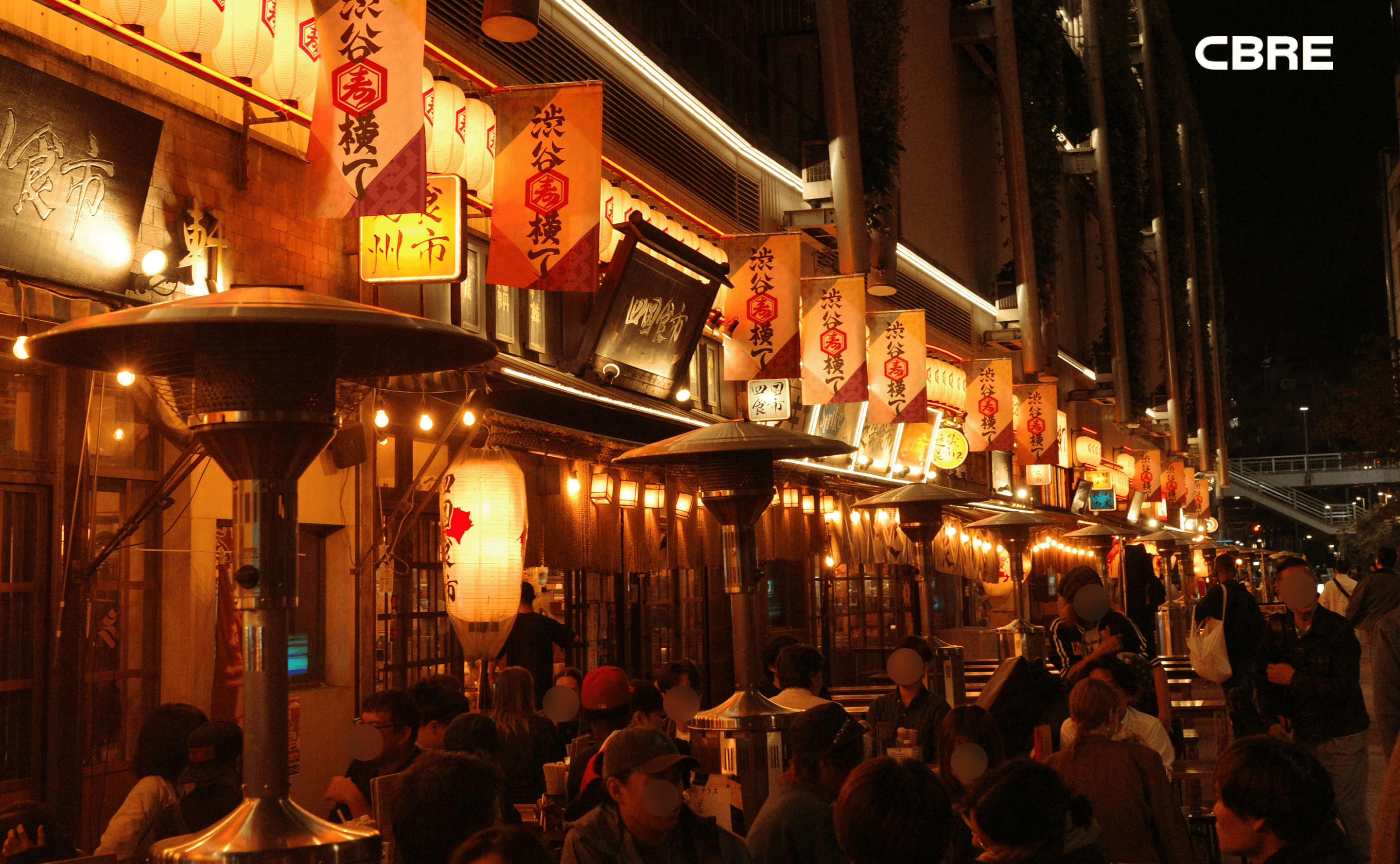
Izakayas, which have long supported Japan's nights, are also facing their worst crisis in 37 years. According to Tokyo Shoko Research, the number of izakaya bankruptcies in the first half of this year reached 118, breaking the record for the highest number since statistics began in 1989. This is the result of the dismantling of the "nomikai" (drinking + communication) dinner culture of sharing drinks with bosses, and a sharp drop in the percentage of regular drinkers in their 20s, which plummeted from 20.3% to 7.8% over 20 years. The situation is so dire that the National Tax Agency of Japan even held an idea contest (Sake Viva!) to encourage alcohol consumption among young people.
The downsizing of large entertainment spaces, the collapse of corporate drinking culture, and the rise of wellness and taste-driven consumption replacing alcohol—this structural data confirmed in London and Tokyo proves that the change in Seoul is not a simple economic cycle, but rather that the basic unit of global commercial districts has permanently shifted from "volume and intoxication" to "time and experience."
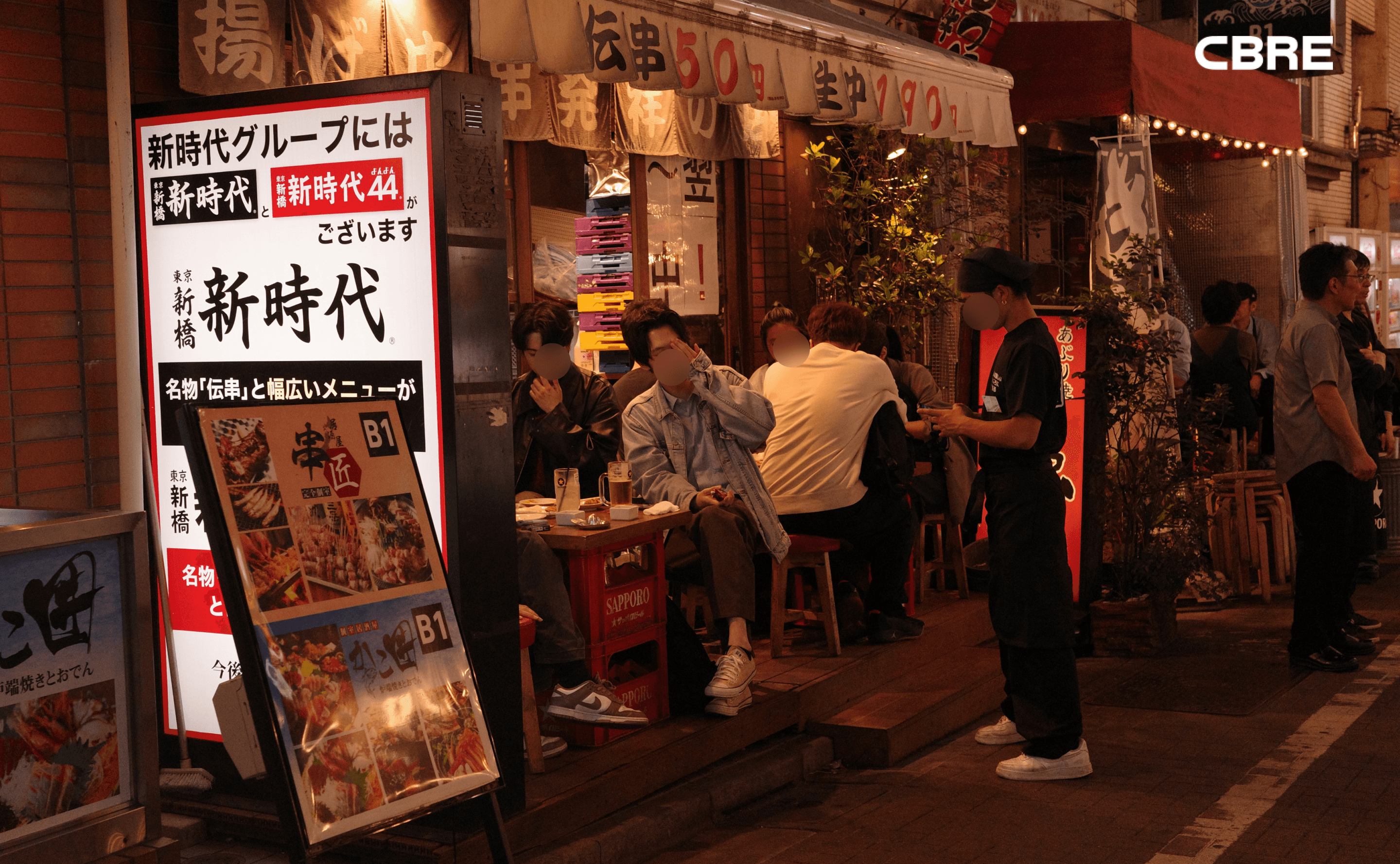
Yet, There is a Type of Alcohol Consumption That Refuses to Die
Not all nightlife districts have collapsed. What is being observed on the ground is not that consumers have quit drinking entirely, but that they have completely flipped their standards for "where and how to drink."
First is the shift in drinking locations. Nearly half of all drinking occasions now take place at home rather than in casual restaurants or bars, and convenience stores (54.6%) are the primary channel for purchasing alcohol. This is why wine and whiskey shelves at local supermarkets and convenience stores have expanded noticeably in recent years. A significant portion of alcohol consumption that leaked out of night commercial districts did not disappear, but rather filtered into retail retail channels.
Then, what kind of alcohol consumption is left on the streets? It is consumption aimed at what can never be experienced at home: namely, "the space and experience itself." While large beer pubs are collapsing, businesses of the completely opposite nature are enjoying unprecedented booms.
Book bars combining books and whiskey, small-scale bars where individuals can savor single malts or traditional Korean liquors by the glass, and tasting rooms where customers can sample craft beers and natural wines with curation are thriving to the point of operating on reservation-only systems. Bars with clear worldviews, like Cheongdam's "Zest," which champions zero-waste sustainability, or Seochon's "Bar Cham," which modernizes traditional Korean liquors, are topping lists like Asia's 50 Best Bars and drawing global travelers. These are spaces that sell curation and stories, not just intoxication.
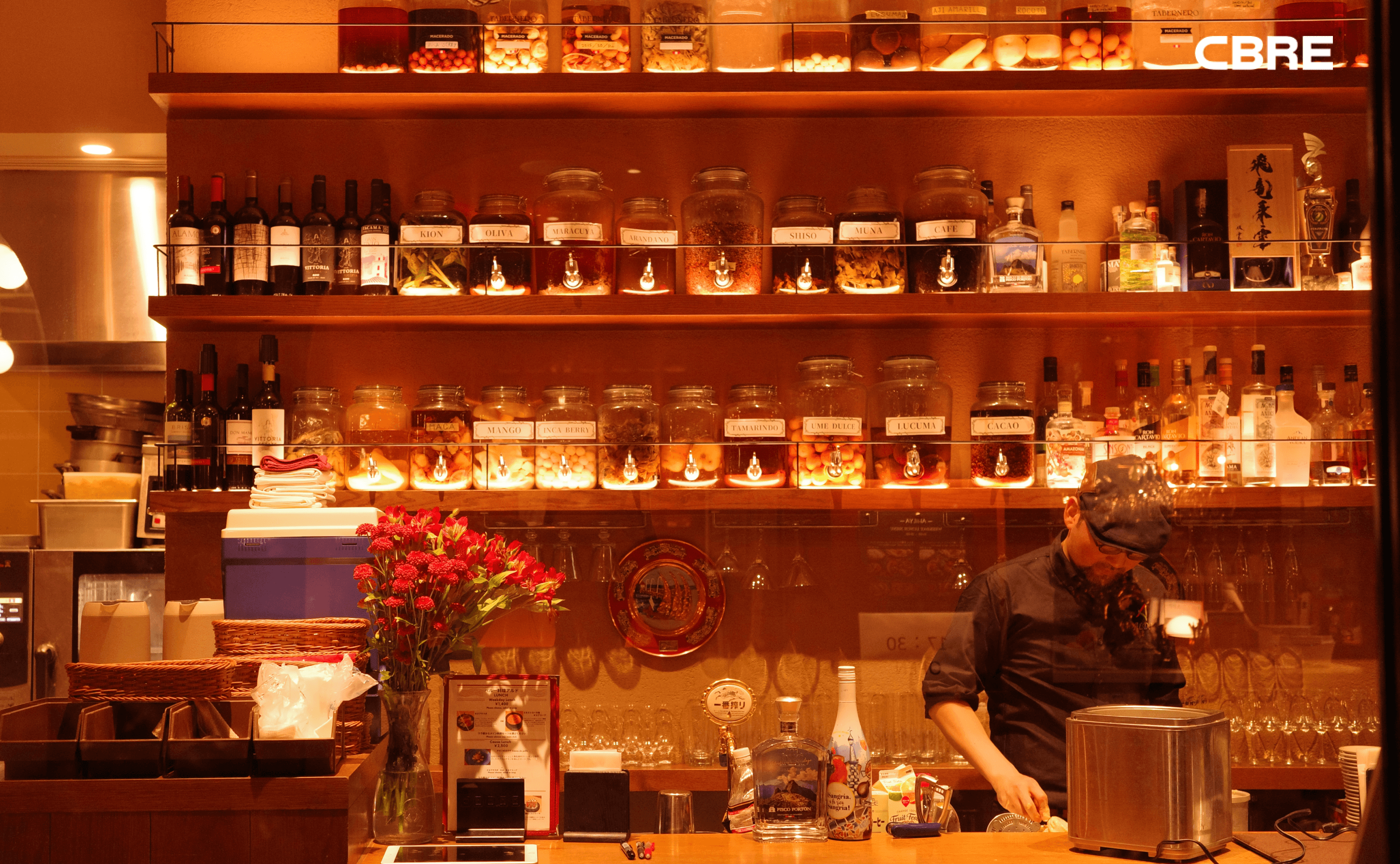
The evolution of business operations is also distinct. Hybrid venues that serve as cafes or brunch restaurants during the day and transition into bars at night have become the standard in downtown alleys. Euljiro is a prime example. While Euljiro's nights in the past were characterized by fast-turnover commercial zones centered on dried pollack and draft beer, the spaces now filling the inside of the old printing shop alleys are small bars serving specialty coffee by day and whiskey and signature cocktails by night. While bars nationwide are being cut in half, these low-volume, high-price, and highly sensitive spaces, along with trendy restaurants, are solidly supporting key money in the range of 100 million to 300 million KRW in alleys vacated by large pubs.
This aligns perfectly with the Seoul Metropolitan Government's decision to define the unique bar cultures of Cheongdam, Hannam, Seongsu, Euljiro, and Seochon as core tourism content representing the city's night and to foster them as gourmet tourism brands. It is a grand transition toward qualitative consumption—drinking less but spending more meaningfully.
Shift in Commercial District Mechanisms: From 'Volume' to 'Time'
Decline Model: Consumption Volume (Volume) × Fast Turnover (Large square footage, uniform snacks, focus on intoxication)
Survival Model: Average Transaction Value (Premium) × Dwell Time (Small square footage, exclusive content, focus on sensitivity/mood)
The formula defining night commercial districts has completely changed. Consumers no longer empty 500cc glasses one after another just to get drunk. Instead, they seek out book bars where they can flip through pages over whiskey in a quiet space, and willingly pay 30,000 KRW for a single signature cocktail infused with a bartender's philosophy. The basic unit of night commercial districts has been fragmented from "groups and entertainment" to "individuals and taste."
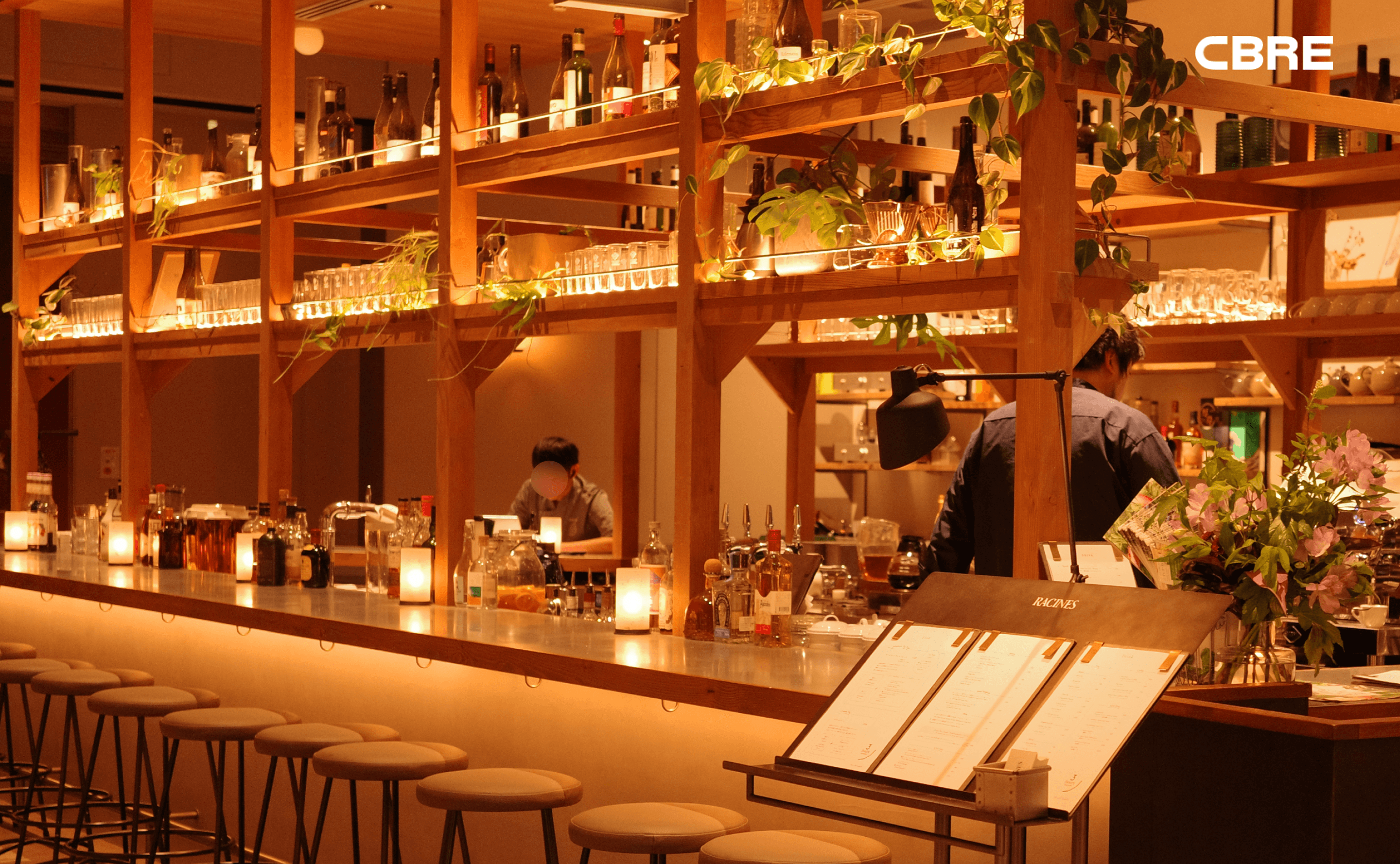
Social media has accelerated this shift. In fact, over 60% of alcohol consumers, and particularly 77.7% of women in their 20s, get information about alcohol and decide on venues via social media. The trend is obvious just by looking at Instagram save lists. You won't find generic, massive beer pubs there. Since where and what one drinks has become a metric for expressing individual taste and sensitivity, drinking gatherings have moved beyond simple alcohol consumption to become "content worth recording." Spaces lacking visual charm for smartphone screens are excluded from candidate lists in the first place, while bars with meticulously designed moods, lighting, and even glassware are consumed first on feeds before they are ever visited.
The purpose of drinking has shifted from pure intoxication to a complex consumption behavior interwoven with taste, archiving, and experience. This is why spaces selling time have no choice but to survive.
What Moved into the Vacated Pub Spaces?
Then, what happened to the spaces of the 24,000-plus bars that shut down over the past 8 years? They certainly did not remain vacant. Looking closely at the types of businesses filling those empty spaces, the next phase of night commercial districts becomes even clearer.
The first new owners are gacha shops (capsule toy stores) and figurine shops. According to National Tax Service statistics, the number of toy stores nationwide surged by over 20% in a single year, with about two new ones opening every day. In Mapo-gu alone, around the Hongdae area, toy stores exploded by over 40% while pubs and casual bars decreased by about 10%. This explains why capsule toy machines are appearing in place of local pubs, and why the phrase "gacha shop instead of a second round of drinks" is trending among people in their 20s and 30s. Instead of spending tens of thousands of won to get drunk, they lightly purchase their tastes with a single capsule costing a few thousand won.

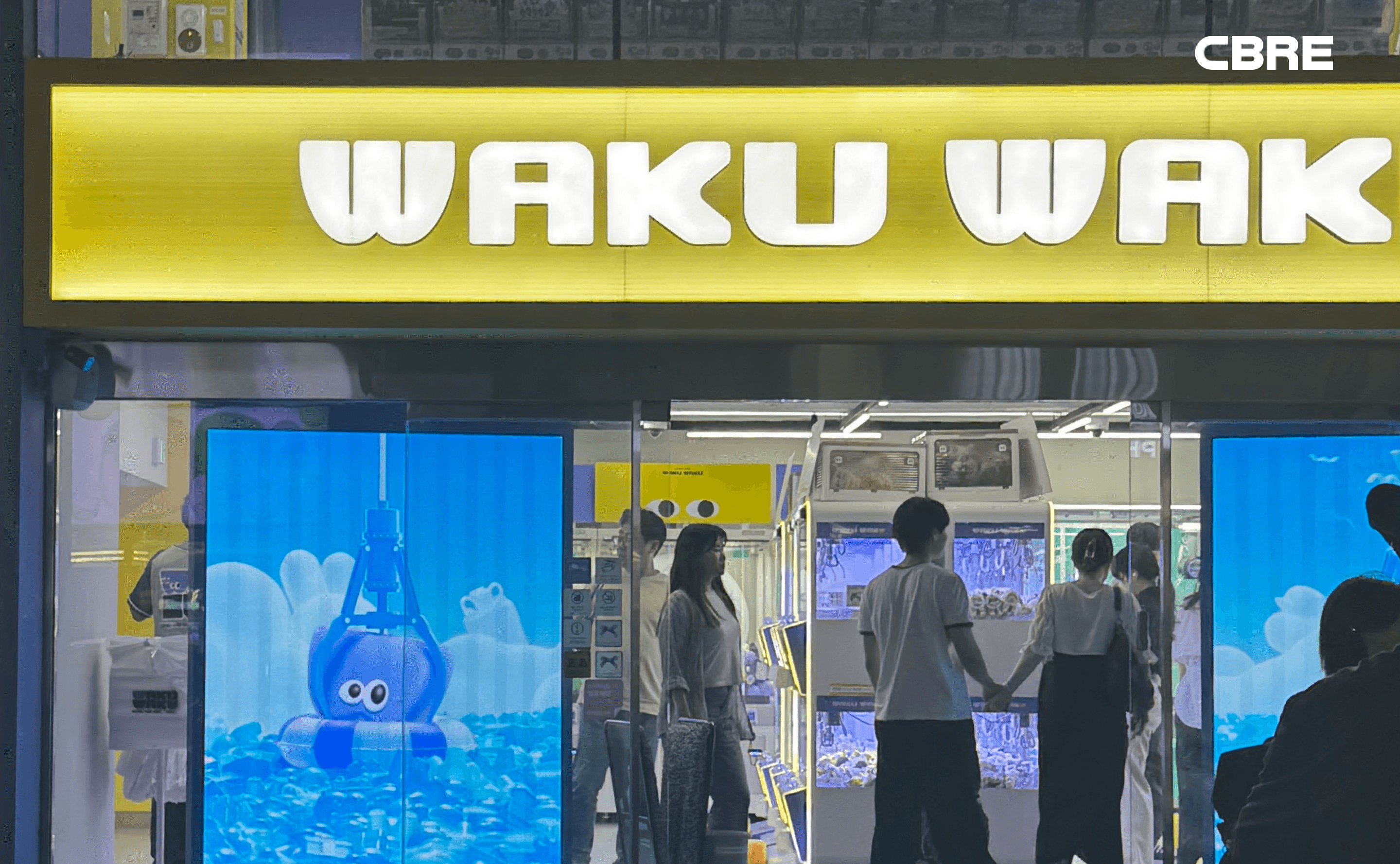
The second is cafes. While bars were cut in half, coffee and beverage shops exploded by 80%, growing from 52,000 to 93,000 locations. As the second round of gatherings shifted from karaoke rooms to coffee shops and the culture of parting ways around 10 PM took root, coffee completely took over the late-night secondary slot once occupied by alcohol.

The third is small bars. Hybrid spaces that brew coffee during the day and sell whiskey and signature cocktails at night, along with highly curated restaurants, are filling the alleys of Euljiro and sustaining key money ranging from 100 million to 300 million KRW. The rent-bearing capacity of a shop open for 12+ hours a day is bound to differ from one open for just 6 hours in the evening. The hybrid model is not just a trend; it is a survival formula for neighborhood commercial districts.
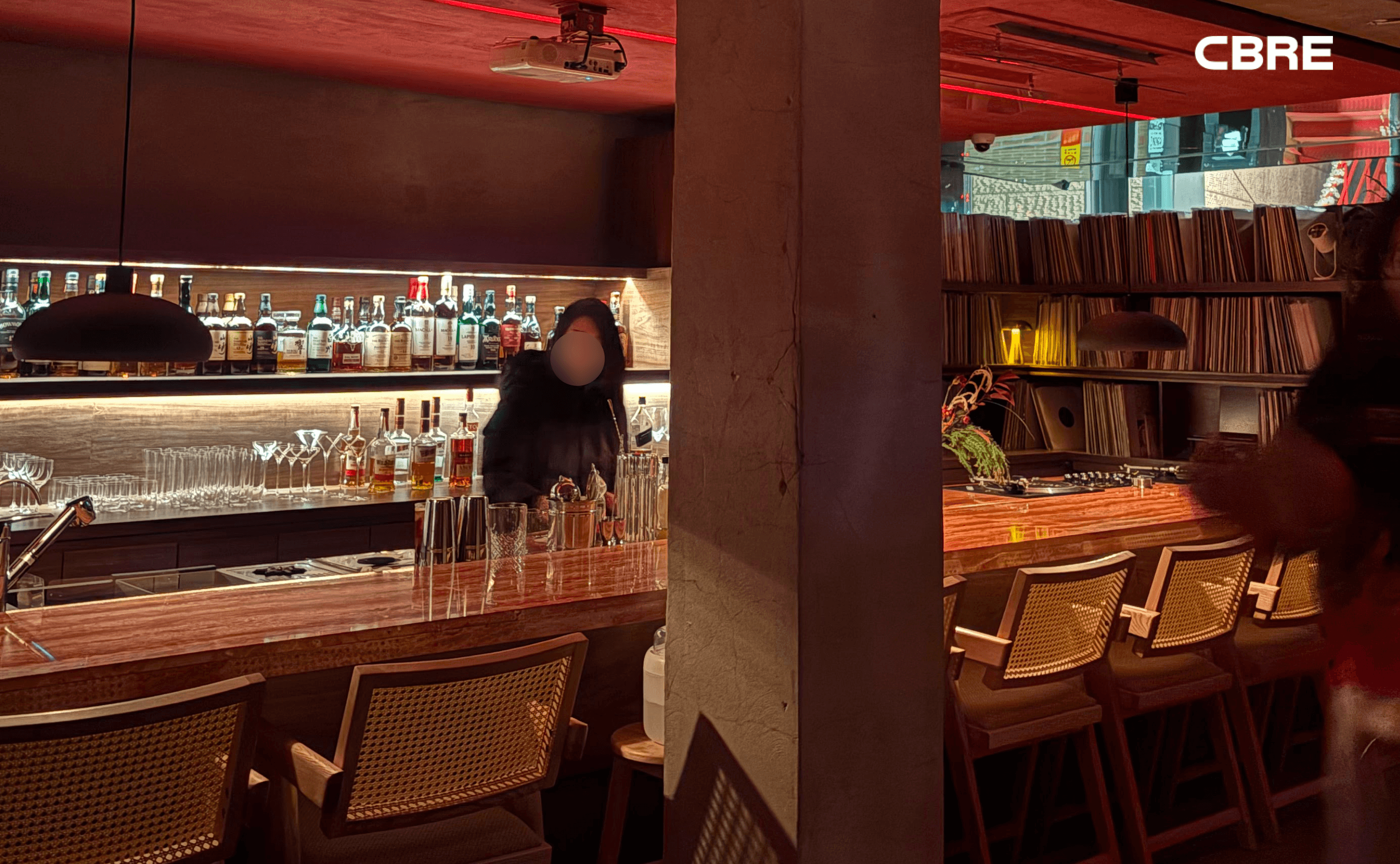
All these newly established business categories share one common trait: "They sell evening hours without the intoxication."
The spaces once dominated by turnover and intoxication have split into two paths: premium lingering (bars) where customers pay 30,000 KRW for a drink, and small luxuries (gacha shops/cafes) where customers buy minor pleasures for a few thousand won. While the price points are at opposite extremes, the essence is the same. Consumption to fill personal tastes has replaced the spots vacated by consumption to get drunk.
Ultimately, the archetype of the next night commercial district is not an entertainment district, but a "taste district." Alleys where non-intoxicated nights are established, such as Seochon and Euljiro, have already become new anchors of the city, even attracting global demand.
In an era of declining alcohol consumption, night commercial districts are not disappearing. The unit of nightlife commercial districts is simply shifting from turnover to lingering, and from volume to taste. The reason we seek out nights without intoxication is clear: our true goal is no longer alcohol, but "the density of time."
© Copyright 2026. All rights reserved.
This publication has been prepared in good faith, based on CBRE Korea's current anecdotal and evidence based views of the commercial real estate market. Although CBRE Korea believes its views reflect market conditions on the date of this presentation, they are subject to significant uncertainties and contingencies, many of which are beyond CBRE Korea’s control. In addition, many of CBRE Korea’s views are opinion and/or projections based on CBRE Korea’s subjective analyses of current market circumstances. Other firms may have different opinions, projections and analyses, and actual market conditions in the future may cause CBRE Korea’s current views to later be incorrect. CBRE Korea has no obligation to update its views herein if its opinions, projections, analyses or market circumstances later change.
Nothing in this publication should be construed as an indicator of the future performance of CBRE’s securities or of the performance of any other company’s securities. You should not purchase or sell securities-of CBRE or any other company-based on the views herein. CBRE Korea disclaims all liability for securities purchased or sold based on information herein, and by viewing this publication, you waive all claims against CBRE Korea as well as against CBRE Korea’s affiliates, officers, directors, employees, agents, advisers and representatives arising out of the accuracy, completeness, adequacy or your use of the information herein. No part of this publication may be reproduced, quoted, distributed, or disclosed to any third party without the prior written consent of CBRE Korea.

trend
Jul 6, 2026
The footsteps of runners change the commercial districts
Runners' Basecamp: SEOUL's second article, commercial districts transformed by runners centering around Seochon and Bukchon

trend
Apr 20, 2026
Then it was bags, now it is jewelry.
"Rather than buying a 14 million won bag..." Consumers start 'Open Runs' at 'this place'

trend
Apr 13, 2026
The Secrets Behind the Success of Eulji Kankan
Appeared in Culinary Class Wars Season 2, Representative Cho Kyung-chan of Eulji KkanKkan—who brought the taste of real, local Vietnam to Korea—talks about his laws of entrepreneurship, space, and expansion.

trend
Apr 13, 2026
Runners' Basecamp: SEOUL
UVU chose Seongsu over London for its world-first store — how Seoul's running scene is redrawing the retail map.
trend
Apr 13, 2026
Pharmacy or Olive Young?
How K-pharmacy became Seoul's most unexpected anchor tenant category.
trend
Apr 13, 2026
2026 Retail Trend: Keep the Taste, Cut the Risk
Frugal and indulgent in the same afternoon — how South Korea's ambivalent spending pattern is reshaping retail strategy in 2026.