K-Brand Entry into the US, Why the 'City-by-City Entry Strategy' Now
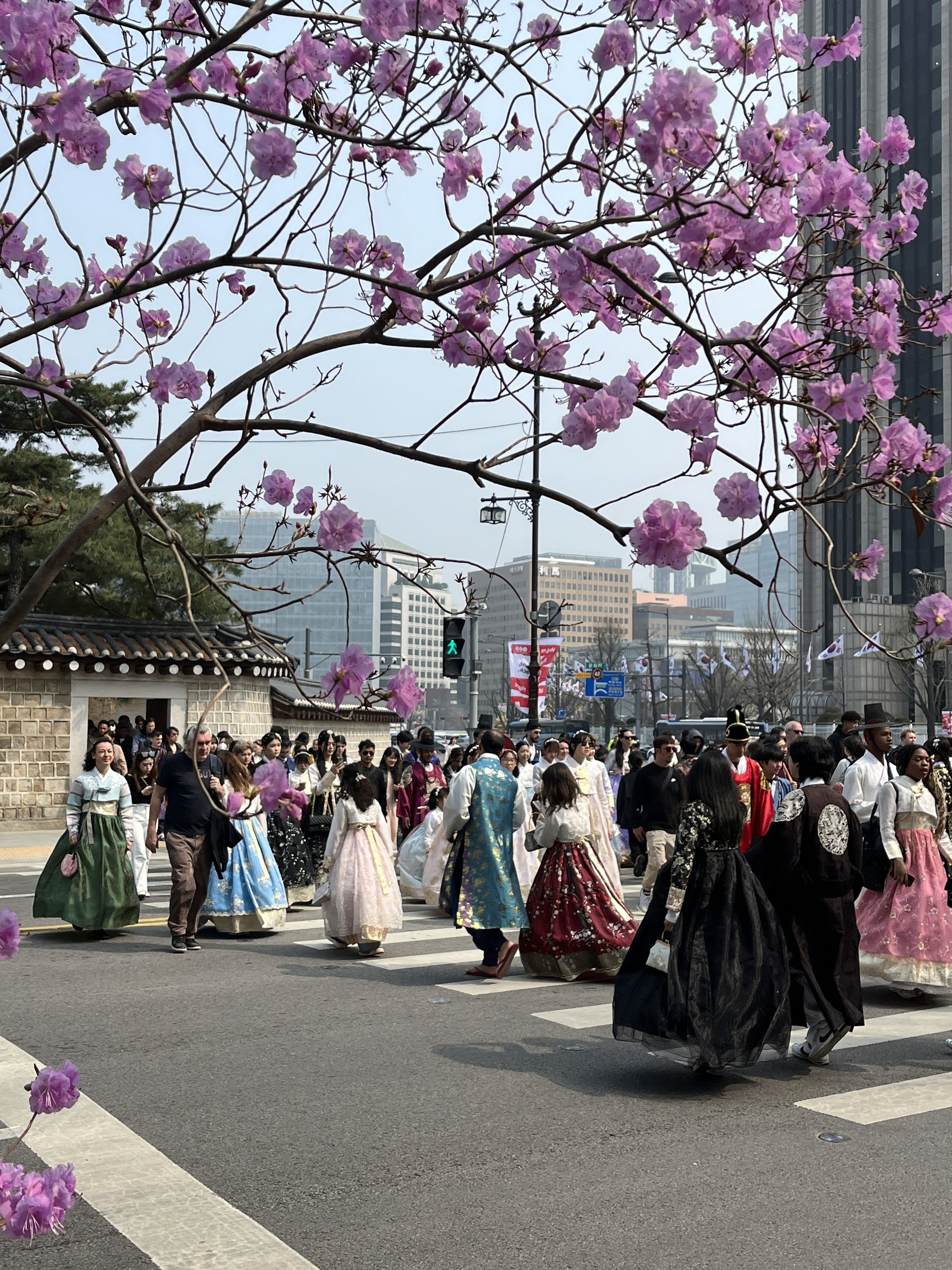
The center of gravity for South Korean retail is shifting beyond its borders. In 2025, the number of foreign tourists visiting South Korea reached approximately 18.5 million, marking an all-time high and surpassing pre-pandemic levels. They personally experience K-beauty and K-fashion in Korea, return home, and become consumers who look for those brands again in their own countries. This is why core commercial districts like Seongsu-dong, which have seen a surge in the share of foreign sales over the past 1–2 years, are functioning as global testbeds for brands.
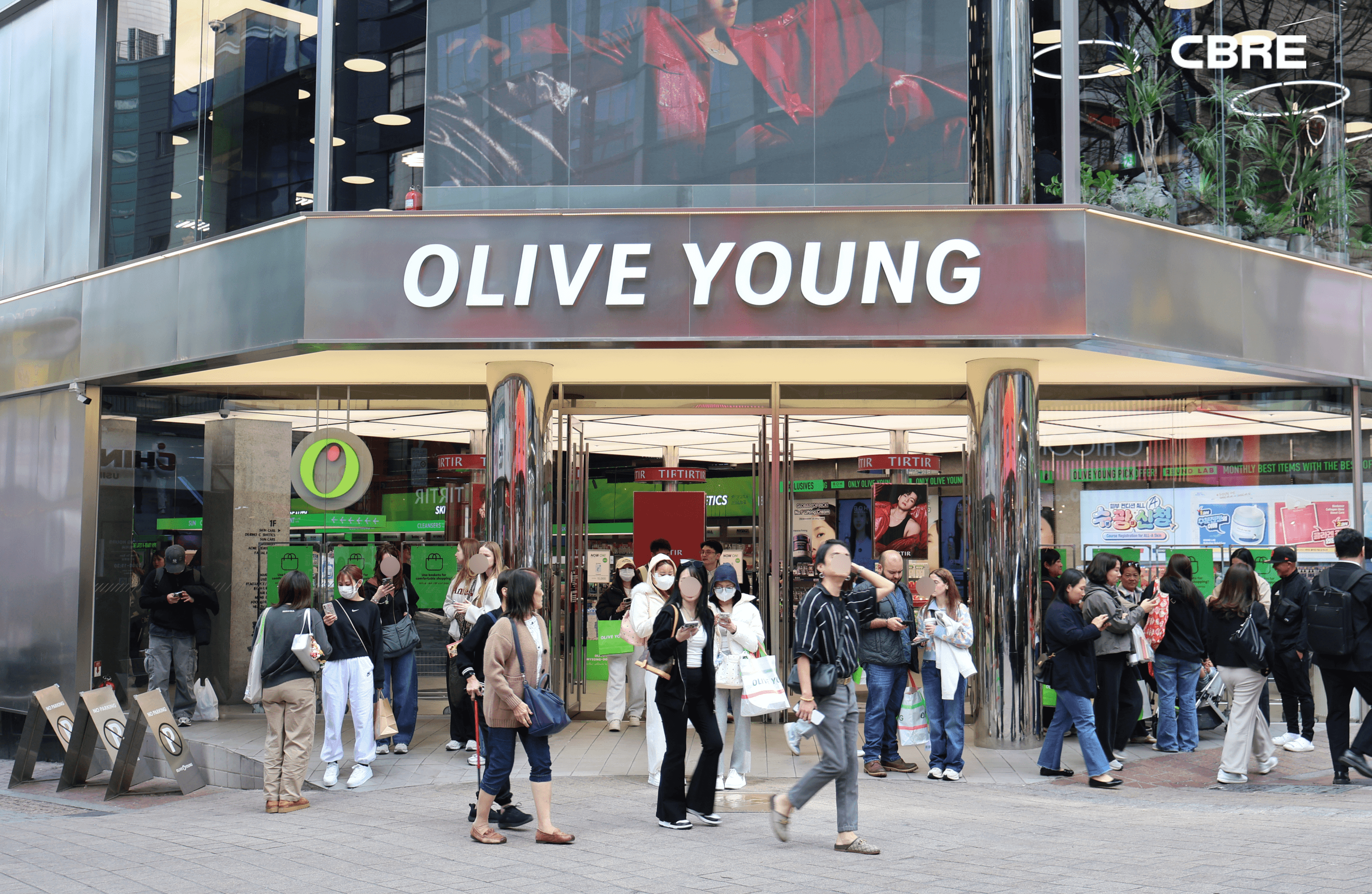
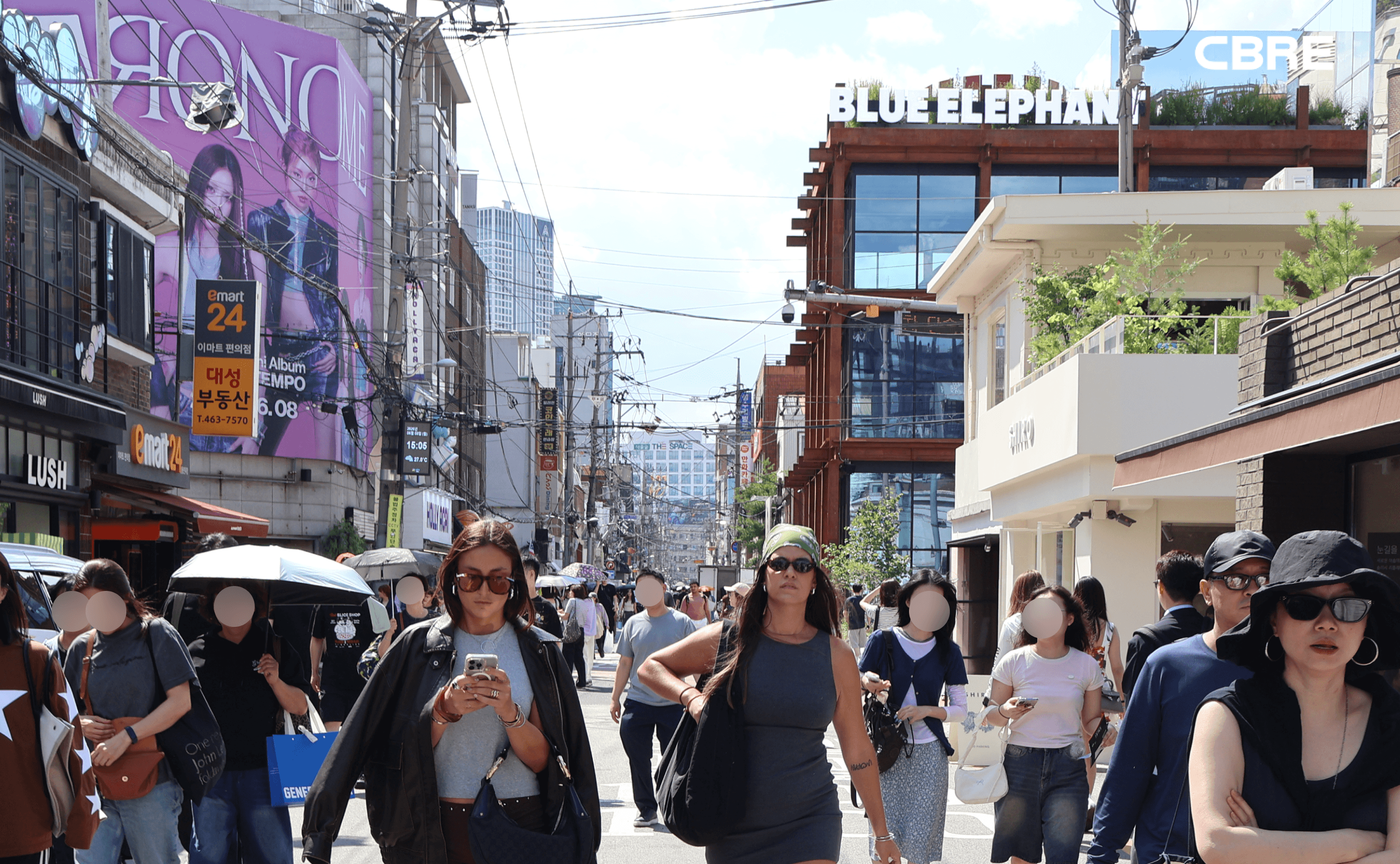
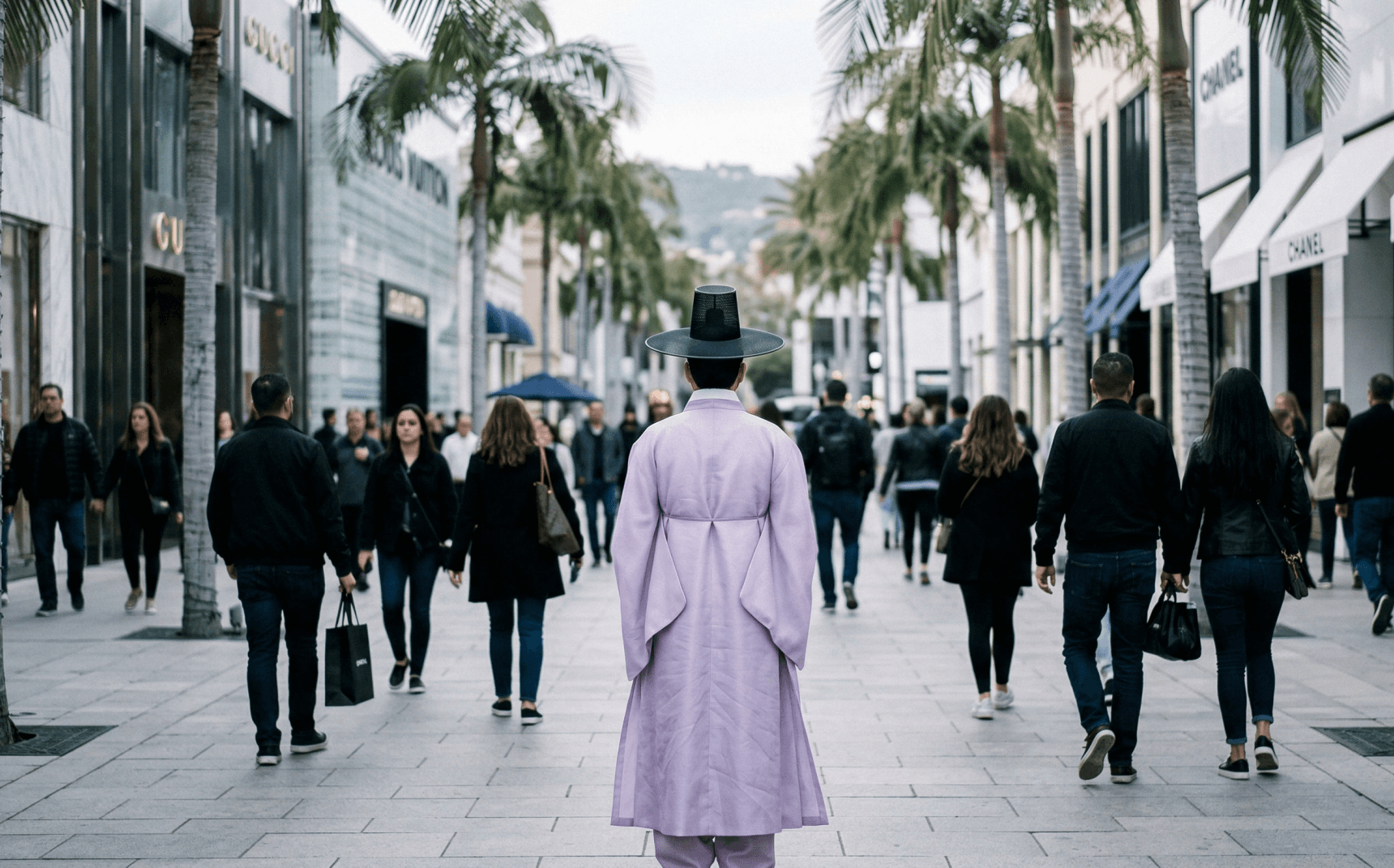
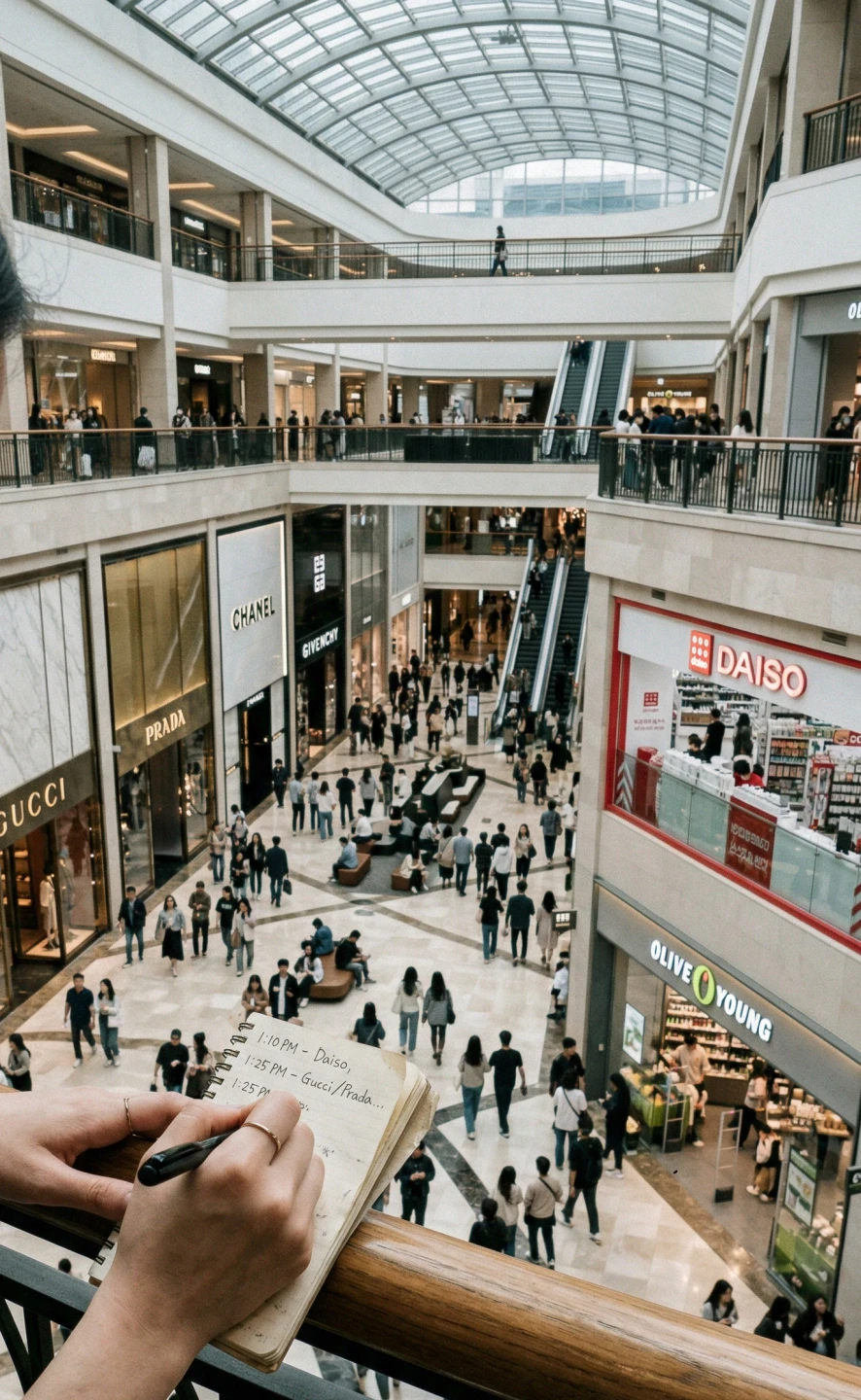
Major commercial districts in Seoul are crowded with foreigners visiting South Korea, regardless of weekdays or weekends.
Then, why the United States among so many countries? The US is the largest single consumer market in the world and the 'final stage of approval' for global retail trends. Success in the US market goes beyond simply increasing sales in one country; it acts as the most reliable 'global letter of credit' that proves a brand's weight class and credibility to global distribution networks in South America, Europe, the Middle East, and beyond. To break through the limitations of a narrowed domestic market and vertically elevate corporate value, the US has become an unavoidable, essential course.
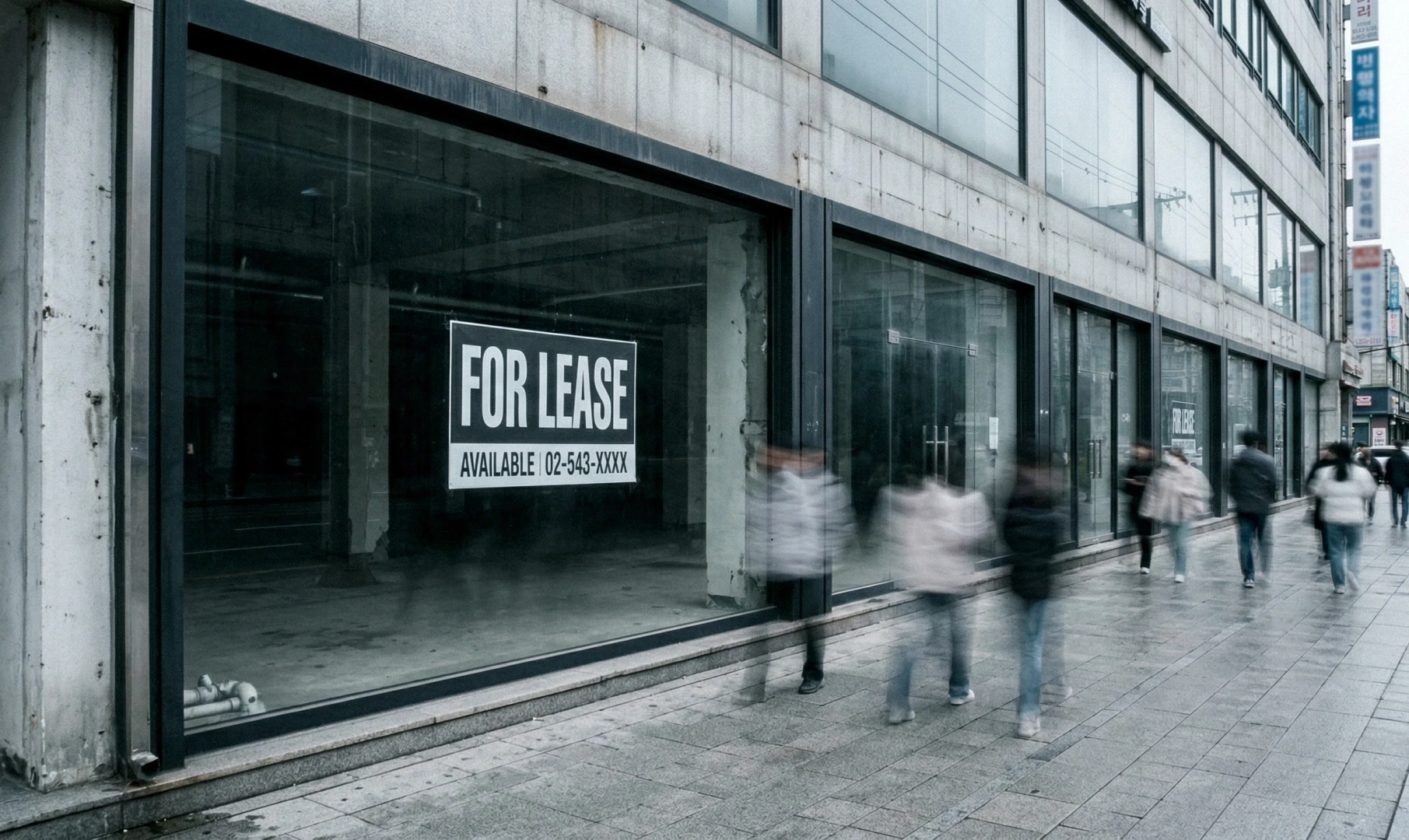
However, the US market cannot be penetrated by mere passion or the scale of sales in Korea alone. Dealing with local landlords and major retail networks ultimately comes down to a battle of 'Credit'. No matter how successful a brand is in Korea, without a local entity and credit history, it is merely a high-risk startup. Consequently, a structural design and a sophisticated roadmap that can overcome this wall of credit must follow. The question is no longer "Should we go abroad?" but "Where, and in what way should we go?"
When talking about entering the US, the first question is always the same: "So, is it LA or New York?" It is interesting in itself that such a dilemma exists over two cities in the same country. This is because the retail operational principles of the two cities are fundamentally different.
New York vs. LA Commercial District Analysis: The Difference Between Vertical Pedestrian Streets and Horizontal Shopping Malls
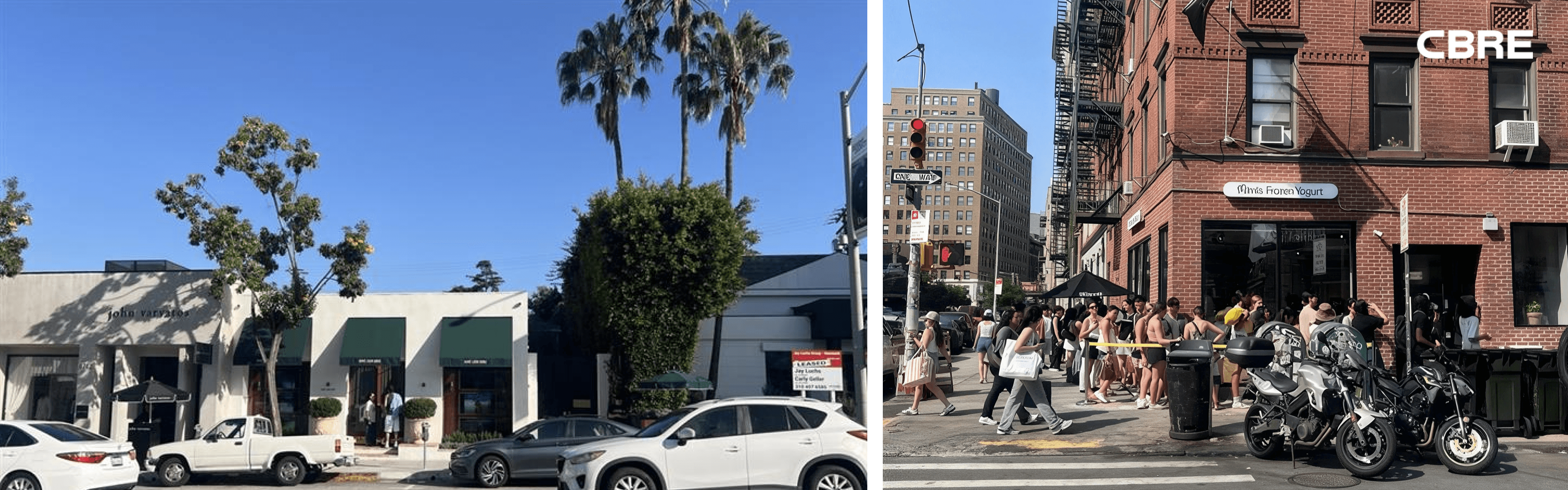
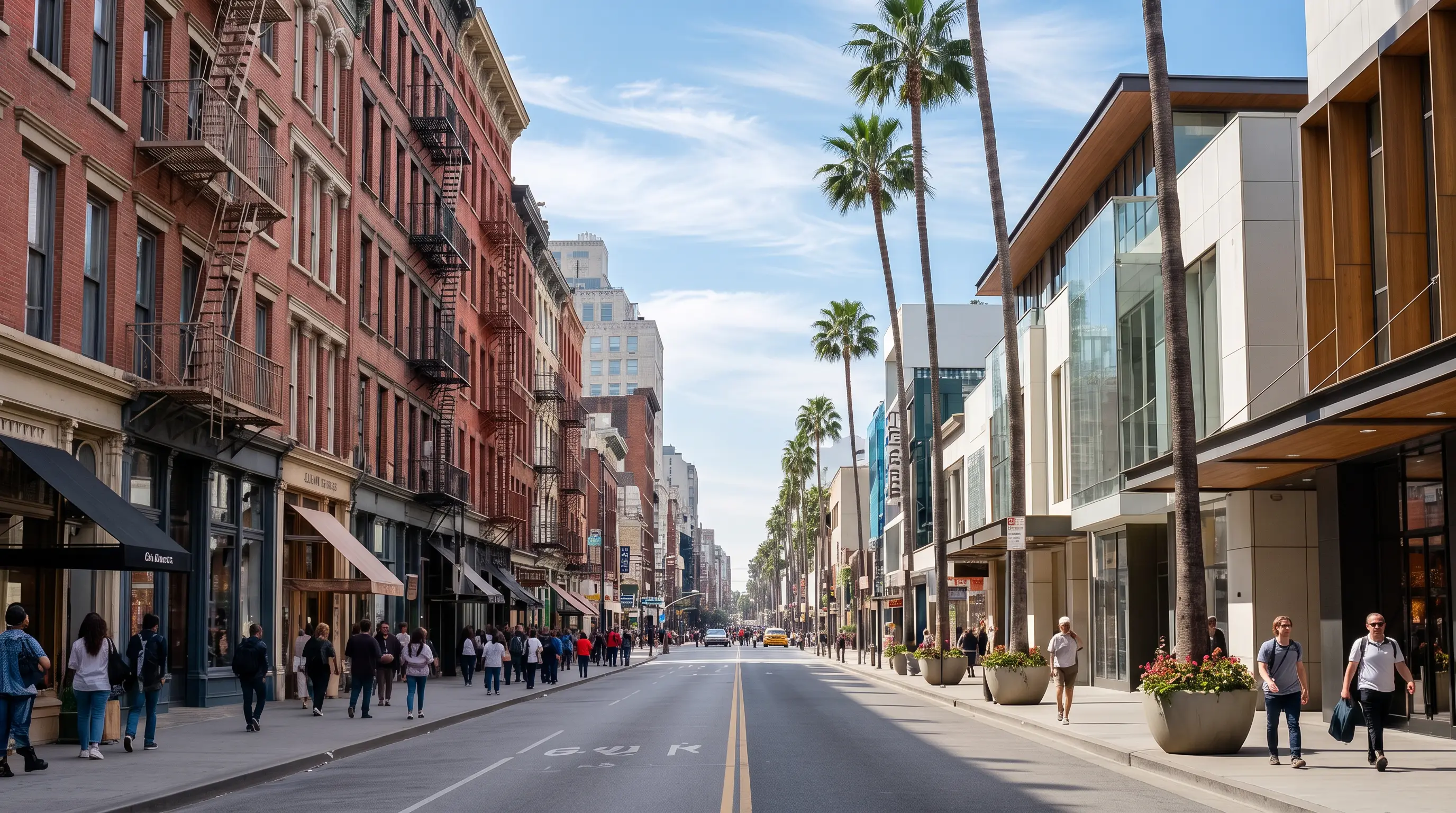
Left: Melrose in LA, Right: Soho Street in NY
Walking Cities and Driving Cities
The biggest difference is simple. New York walks, and LA drives.
Manhattan, New York, is a city where retail is stacked vertically on a grid of blocks. Streets like Soho, 5th Avenue, and Madison Avenue are the commercial districts themselves, and pedestrians walking in front of the stores are potential customers. The reason rent is among the highest in the world is also clear. The mere fact of being located in the middle of those streets proves the brand's weight class.
On the other hand, LA is a car-oriented city sprawled horizontally. Therefore, the basic unit of LA retail is not a 'street' but a 'destination'. Even hip streets like Melrose Avenue or Abbot Kinney are not places people drop by by chance, but destinations they drive to. Furthermore, shopping malls, which are hard to find in New York nowadays, remain core commercial areas in LA. Large malls like Westfield Century City are still A-grade locations where brands line up to enter.
'Debuting' in New York and 'Blending in' in LA
Differences in urban structure also divide entry strategies.
Entering New York is a declaration of sorts. The moment a brand opens a flagship in Soho or on 5th Avenue, it is evaluated as having debuted on the global stage. Media flocks, buyers visit, and the fact that "we have a store in New York" acts like a letter of credit in other markets. In return, the costs are murderous, and the risk of failure is just as high.
Entering LA is a way of naturally permeating into the lifestyle. LA is a city where celebrity, wellness, and beauty trends are created, and it embraces the strongest Korean community in the United States. From a brand's perspective, they can start on a friendly consumer base that has already been formed, and test the market with relatively low risk by utilizing malls or community commercial districts. From a logistics standpoint, LA is also the core gateway for West Coast distribution.
New York Retail Entry Method: 'Brand Debut' Proven through Soho Pop-up Stores
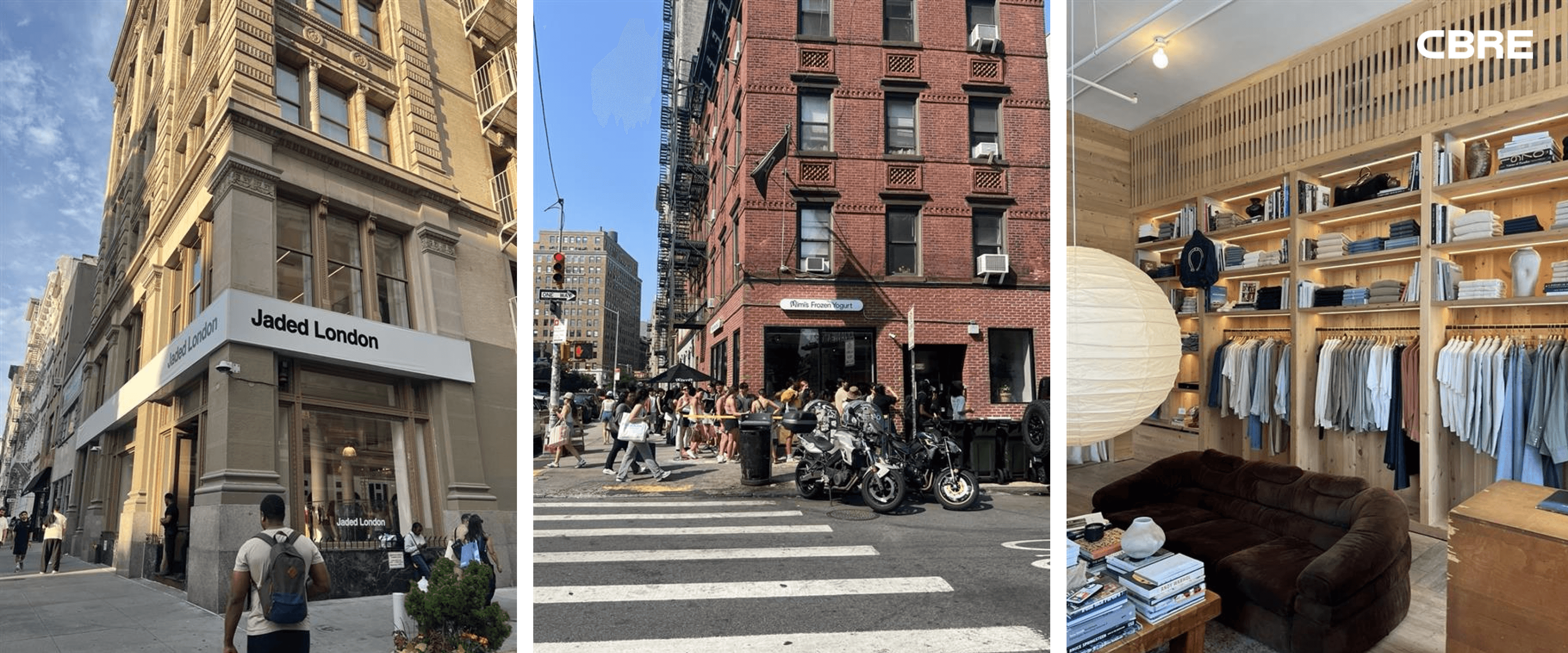
The core entry gateway of New York retail, through which countless global fashion and beauty brand pop-up stores pass, starting from Gentle Monster and Skin1004 flagship stores.
The map of Korean brands entering the US honestly follows this formula.
Brands that needed a 'declaration' chose New York. The place where Gentle Monster opened its first US store in 2016 was Soho. For a brand where the space itself becomes media, there could be no better stage than Soho, where fashion people from all over the world gather.
A noticeable trend in New York recently is the use of pop-up stores rather than permanent stores. Considering New York's exorbitant rent, it is a realistic choice. It is a strategy of gathering short, intense buzz and then pulling out. Medicube maximized buzz by creating numerous visitors and celebrity exposure with its Broadway pop-up, and even executed large-scale outdoor advertising around Times Square. Joint pop-ups tying together major brands of Amorepacific, or seasonal spaces like 'Haus of K' in Brooklyn, which showcased K-beauty and culture together, share a similar context.
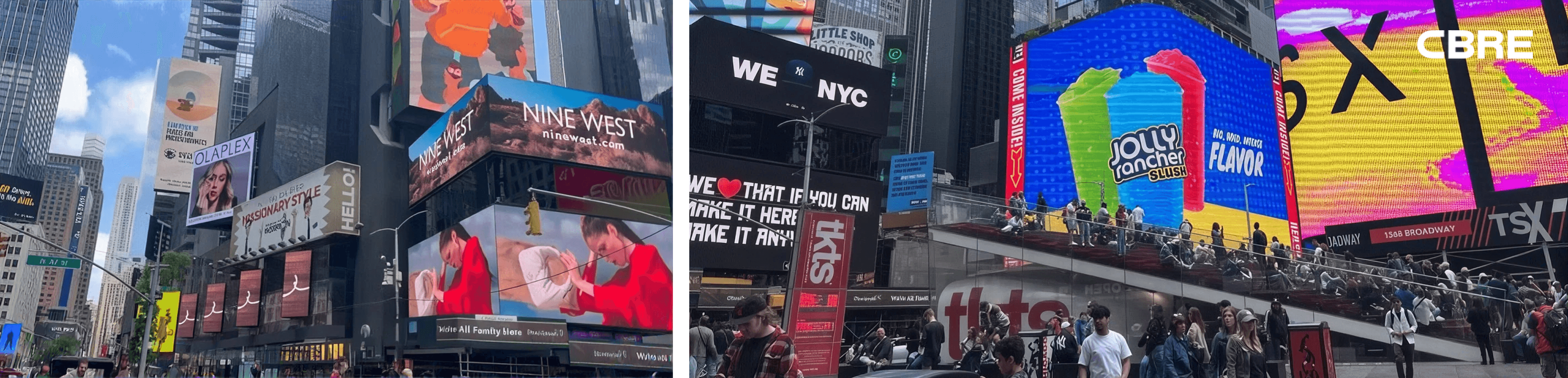
A 'global media & entertainment commercial district' combining overwhelming pedestrian traffic with large electronic billboard outdoor advertising.
In New York, pop-ups have moved beyond one-off events to establish themselves as a core entry strategy. The method is to generate media and celebrity exposure through pop-ups, use that buzz as a springboard to enter major retail distribution networks, and then consider permanent stores. Indeed, after its pop-up, Medicube expanded its territory to offline channels such as major US retail chain Target and global Sephora. Cases of climbing this ladder all the way have also emerged. Skin1004 confirmed demand on Amazon and Ulta, raised awareness through Soho sampling and mural advertisements, and opened its first US flagship on Broadway in Soho early this year. This scene shows that K-beauty, having completed validation through pop-ups and distribution networks, has entered the 'declaration' stage of a permanent store in Soho.
LA Retail Entry Method: 'Local Market Penetration' Seen through the Cases of Olive Young's 1st and 2nd Stores
On the other hand, brands that chose 'blending in' headed to LA. Olive Young opened its first US store in late May in the heart of Old Pasadena near LA. Equipped with about 400 brands and over 5,000 products in an 800㎡ space, the waiting line on opening day morning stretched about four blocks. Visitors alone reached about 6,000 during the first weekend's three days. Simultaneously with the store opening, they launched a US-exclusive online mall and cut delivery times in half using a local logistics center, establishing offline buzz and online infrastructure at the same time.
Then, just two weeks later, they opened their second store at Westfield Century City. The division of roles between the two stores is clear. While Pasadena is a large flagship targeting K-culture fans and experiential consumers, Century City is a compact 250㎡ store targeting premium consumers and tourists. It is a structure that creates buzz in street commercial districts and absorbs purchasing power in A-grade malls. In other words, they utilized both 'streets' and 'malls,' which are the two pillars of LA retail. Olive Young put forward a strategy to actively target the US offline market starting from its West Coast base. It is the textbook path of validating in LA and expanding nationwide.
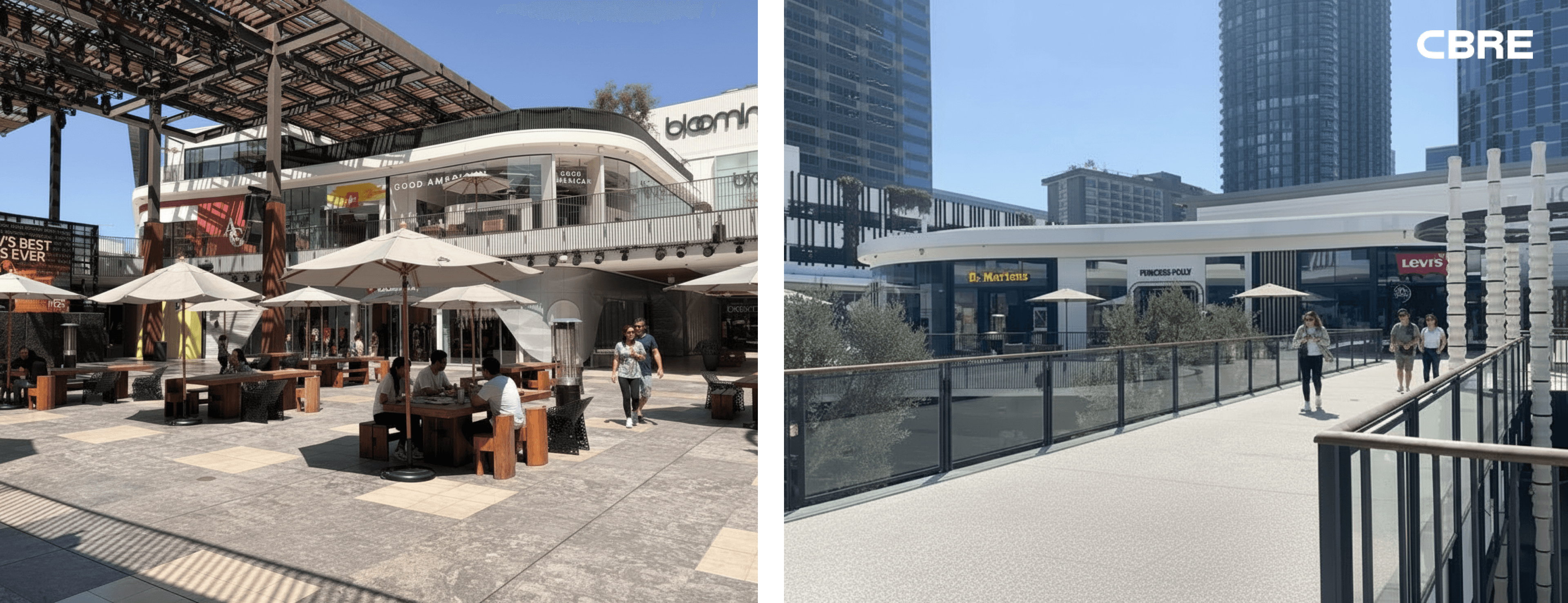
The top A-grade outdoor mall in West LA, which has emerged as a key validation ground for Korean brands with the entry of Olive Young's second store.
Another movement to watch in LA is Beverly Hills. Eyewear brand Blue Elephant is about to open its first US flagship on Beverly Drive. This is the front line of LA luxury retail, where global brands like The Row and Alo are gathered. This is an example of choosing LA but entering in a way closest to a 'declaration', alternating between the syntaxes of the two cities, NY and LA.
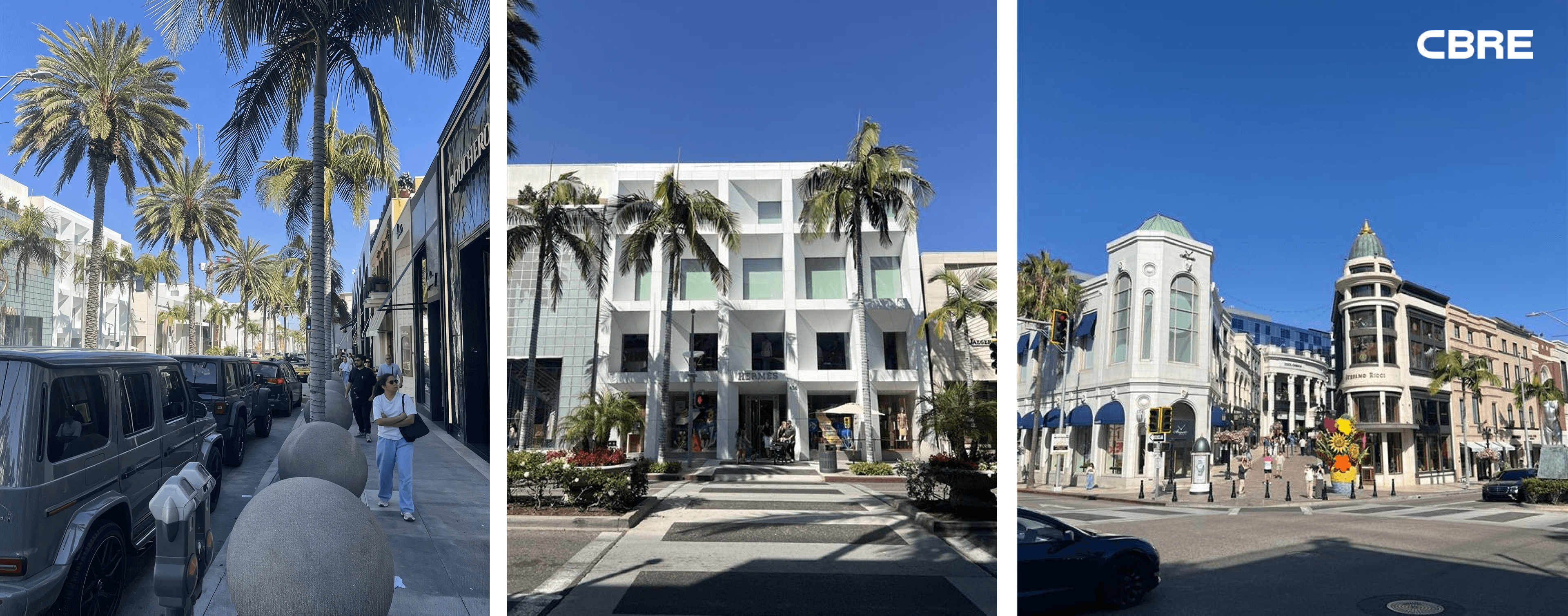
Rodeo Drive, lined with stand-alone flagship stores of traditional global high-end luxury houses, and Beverly Drive, featuring next-generation contemporary brands like The Row, Alo, and Blue Elephant.
Korean brands like Musinsa and Nonfiction have also begun securing US stores, and fitness wear brand Youngla chose LA Westfield Topanga Mall for its first offline store. An online-based brand chose an LA shopping mall instead of a New York street as its offline debut stage.
Ultimately, the roles of the two cities are clearly divided. New York is a stage to raise a brand's reputation through pop-ups and flagships, while LA is a stronghold to validate the market with permanent stores and build a foundation for nationwide expansion.
K-Brand US Offline Entry: Roadmap and Priority Setting
What is certain is that the presence of Korean brands in both cities has completely moved beyond the level of merely being 'exotic foreign brands.'
In the case of APR, with its global sales share exceeding 80%, it continues to rewrite quarterly sales records centered on the US market. Olive Young is partnering with local retail giants on equal footing, to the point of launching an entire 'K-Beauty Zone' across 580 offline Sephora stores in the US. K-brands have now upgraded their weight class to an 'essential category' that mainstream Western consumers actively seek out first.
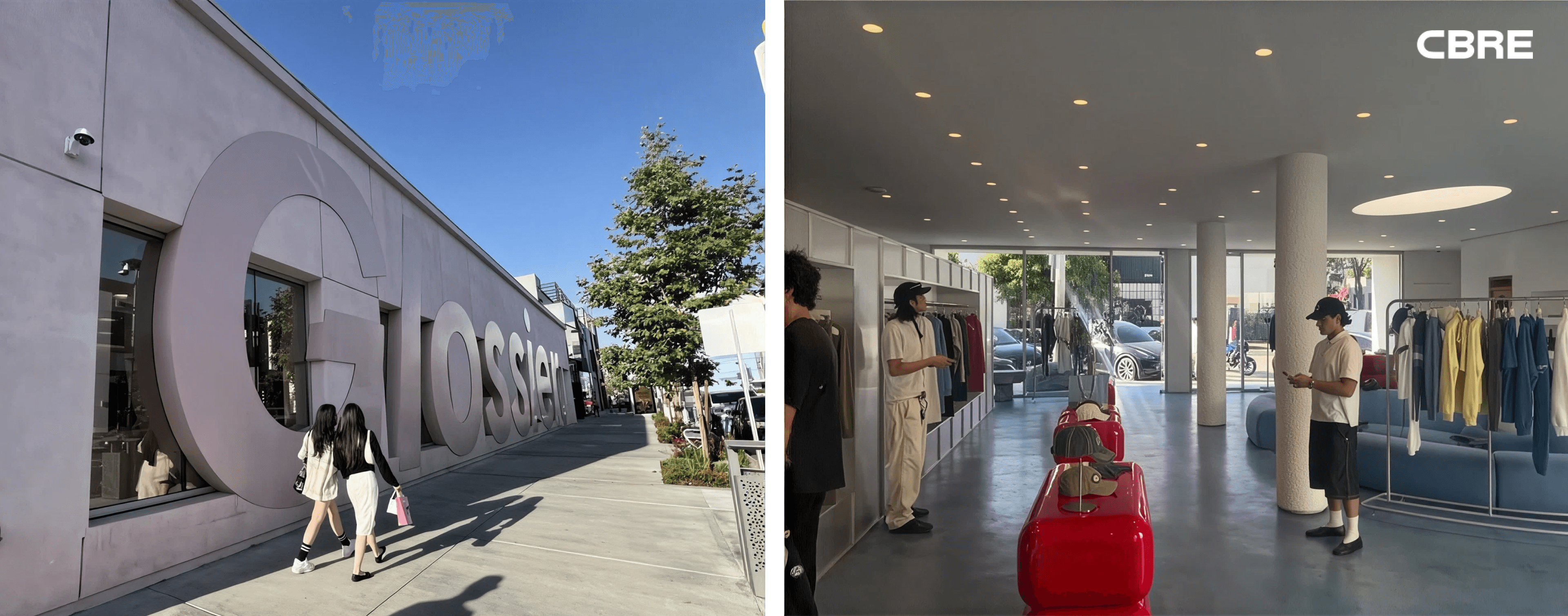
Melrose, which spans several kilometers in length and is characterized by distinct traits in its western and eastern zones. LA's 'street culture hub' where street fashion, vintage, and Y2K culture are concentrated.
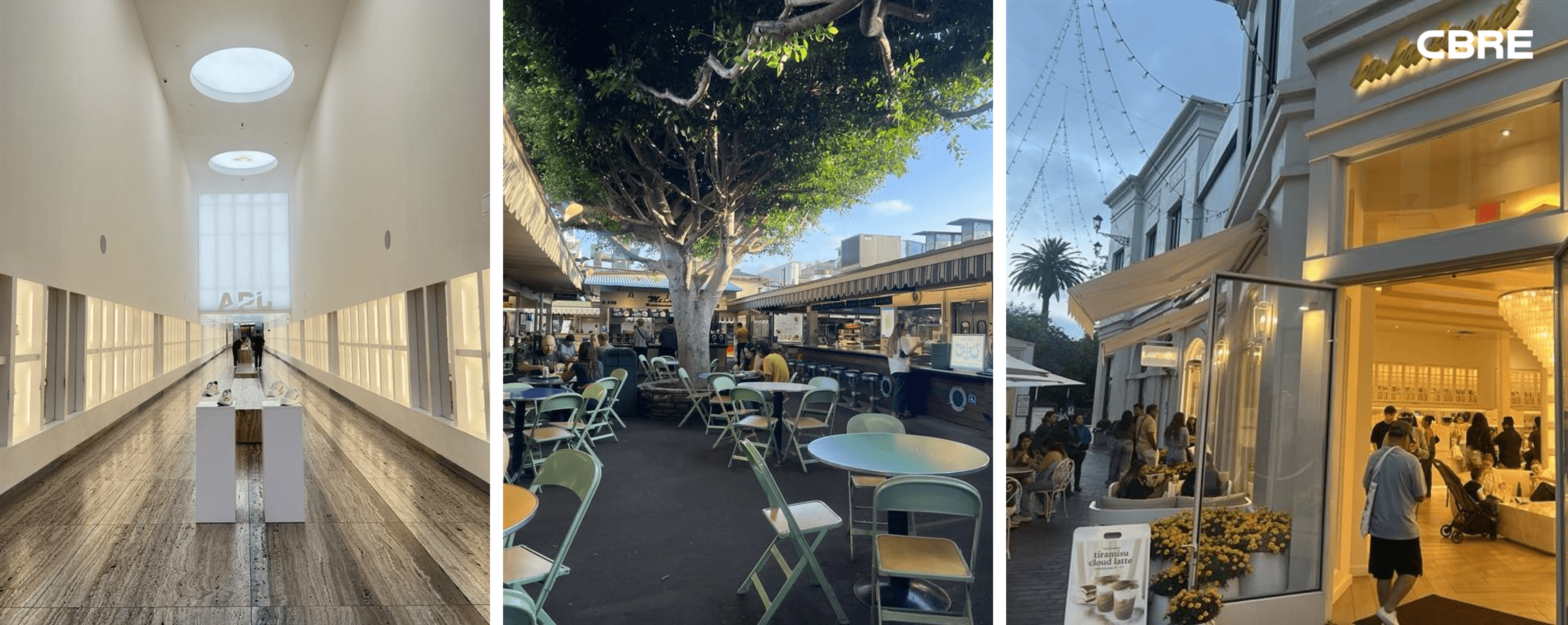
The Grove, a representative outdoor shopping mall town in LA meticulously designed by real estate developer Caruso with a pedestrian-only street motif.
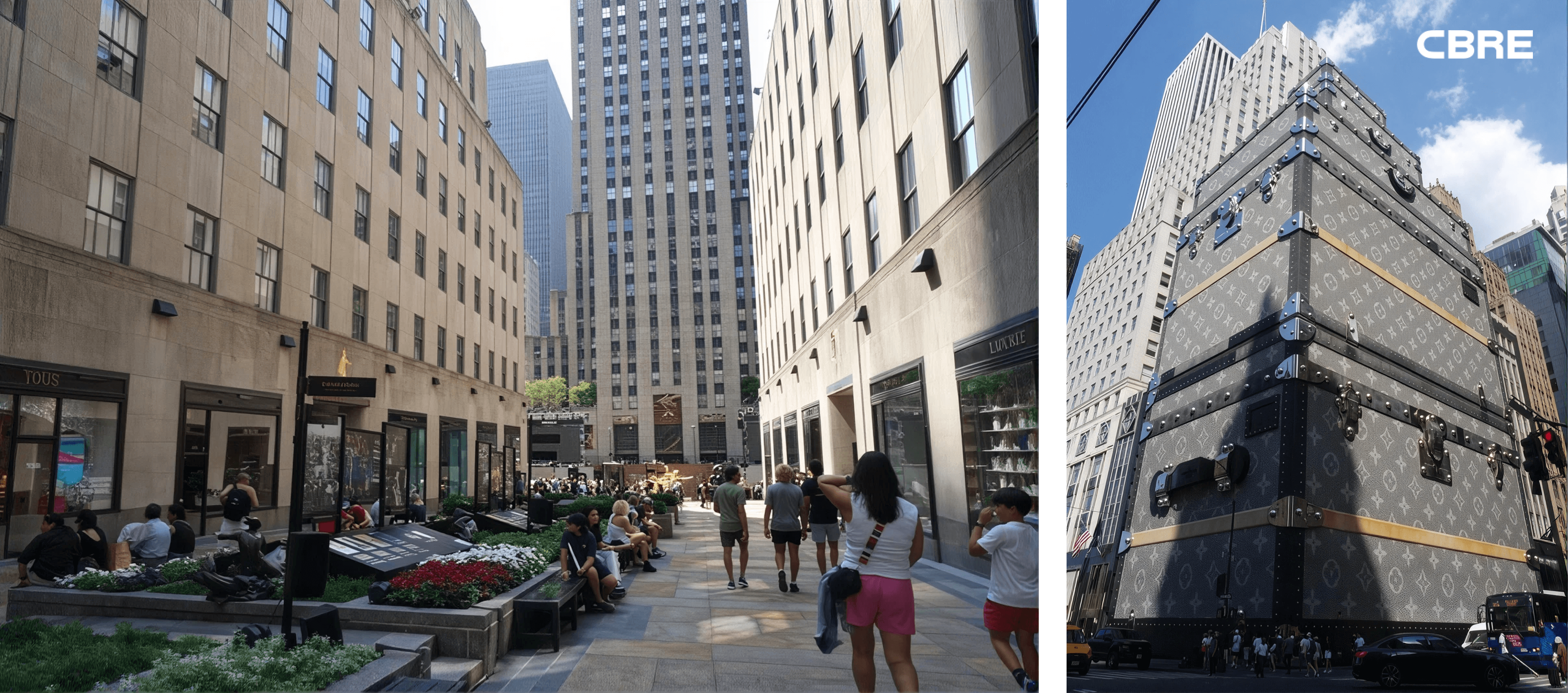
5th Avenue, lined with mega-flagship stores of top-tier luxury houses like Chanel, Tiffany, and Louis Vuitton, as well as landmark stores of global top-tier brands like the Apple 5th Ave store, Uniqlo, and Zara.
Therefore, the correct answer between LA and New York depends on what assets the brand currently desires. If global awareness and media exposure are the priorities, New York is the answer; if market validation and community-based expansion are the goals, LA is closer to the answer. The path of declaring in New York and expanding to LA like Gentle Monster, the method of completing validation in LA and moving to the East Coast like Olive Young, or directly planting a flag in a main commercial district within LA like Blue Elephant are all valid.
What is important is not the superiority of one city over another, but the 'Sequencing' of opening strongholds that fits the brand's current growth stage, and the local financial and lease structure design to support it. If brands can accurately read the syntax of local markets based on the data and brand power they have accumulated in Korea, the global expansion speed of K-brands will accelerate even further.