Back
Share
Like

market
Article Highlights
Magok hit full occupancy by targeting local residents and workers over placemaking trends.
MDs must translate vague brand concepts into physical metrics like ceiling height and frontage.
Top tenant reps boost a building's market standing by securing high-investment occupiers.
MD and Beyond
Even in an age overflowing with data, the refined sensitivity to read the on-the-ground "grain" of retail remains a core capability that determines asset value. From the success story of Magok One Grove to commercial district analysis spanning Seongsu and Seochon, CBRE Retail Team Director Kate Shin shares asset value enhancement strategies that combine data with intuition.
1. How to read reality beyond data and numbers
Q. In this era of information overload, what data are landlords and brands most thirsty for?
[What’s in your hand?]
With domestic consumption so difficult right now, retail is heavily reliant on spending by foreign tourists. As a result, clients are most hungry for "foreign visitor data." It’s not just the fact that there are many foreigners—they want very specific details: what percentage of visitors by nationality come to each commercial area, and what their age groups and gender ratios are. For example, to understand why Musinsa entered a particular district, and what the respective shares of Greater China and North America are among overseas customers, is crucial for sharper brand attraction and targeting. Our team already has a powerful network across countless brands and landlord-side stakeholders. Because we hold micro-level foreign tourist data and unmatched market insights that brands want most, clients who work with us can establish the sharpest and most precise targeting for brands.
Q. When building an MD mix in the retail real estate market, what differentiated perspective do you provide?
[We know you better than you do.]
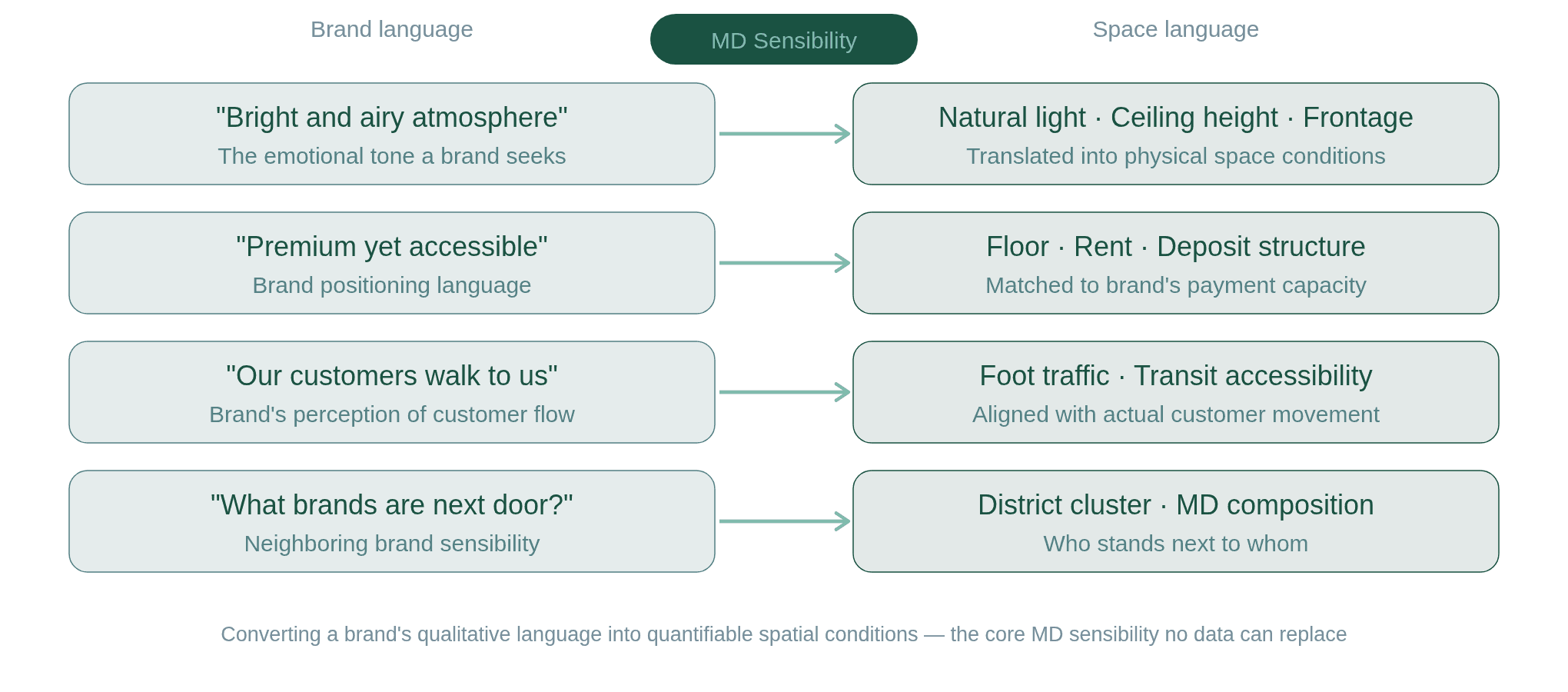
Many advisory firms talk about MD and market rents, but what differentiates the CBRE Retail Team, including myself, is our overwhelming depth of brand understanding. Rather than simply filling empty space with categories, we first analyze each brand’s unique "sustainability" and "vitality." Our job is to examine the fine grain of how a brand’s price point and philosophy may clash or blend with "neighboring" brands in that location. The ability to immediately translate a brand’s language ("clear, bright atmosphere") into the language of space (daylight, ceiling height, frontage width)—this is, in our view, the core of retail planning that data alone cannot replace. Who should stand next to which brand so that a district’s cluster is logically complete and can sustain long-term foot traffic—the criterion for that final "small edge" is ultimately determined by how deeply you understand brand identity.
This expertise goes beyond simply analyzing figures; it is demonstrated when you can translate a brand’s narrative into the language of space.
The micro data and sophisticated brand analysis I mentioned do not remain confined to reports. Real cases that turned market skepticism into conviction, overcame physical limitations, and proved asset value support this. A prime example is Magok One Grove, a mega project that reshaped Seoul’s retail landscape.
2. This is what real MD looks like.
Q. The Magok One Grove project is overwhelming in scale from the outset. What were the initial market conditions and key challenges during execution?
[Give and take, a game where no one loses]
When we first started three years ago, Magok felt psychologically distant enough that people would say, "Is that really Seoul?" Naturally, there was significant skepticism about whether the district could succeed. We had to fill an unprecedented scale—140,000 pyeong of total floor area, including 12,000 pyeong of retail alone—while also facing a clear physical limitation: low floor heights above ground level.
Even so, we took on the project partly because we wanted to leave a clear track record: that the CBRE Retail Team independently completed a shopping mall of this scale, something hard to see again in Seoul. But also because we were confident we could do it better than anyone else.
The process was more intense than expected. Narrowing and realizing the gap between investors’ high expectations and the actual site conditions in Magok was not easy. Rather than simply bringing in trendy or luxury brands, we focused on a "sustainable tenant mix" that local residents and office workers in Gangseo-gu could visit every day. We repeatedly persuaded and coordinated so that landlord-side requirements were reflected while ensuring the district stayed alive. I believe those persistent efforts are proven by today’s result: 97% leased, excluding natural vacancy.
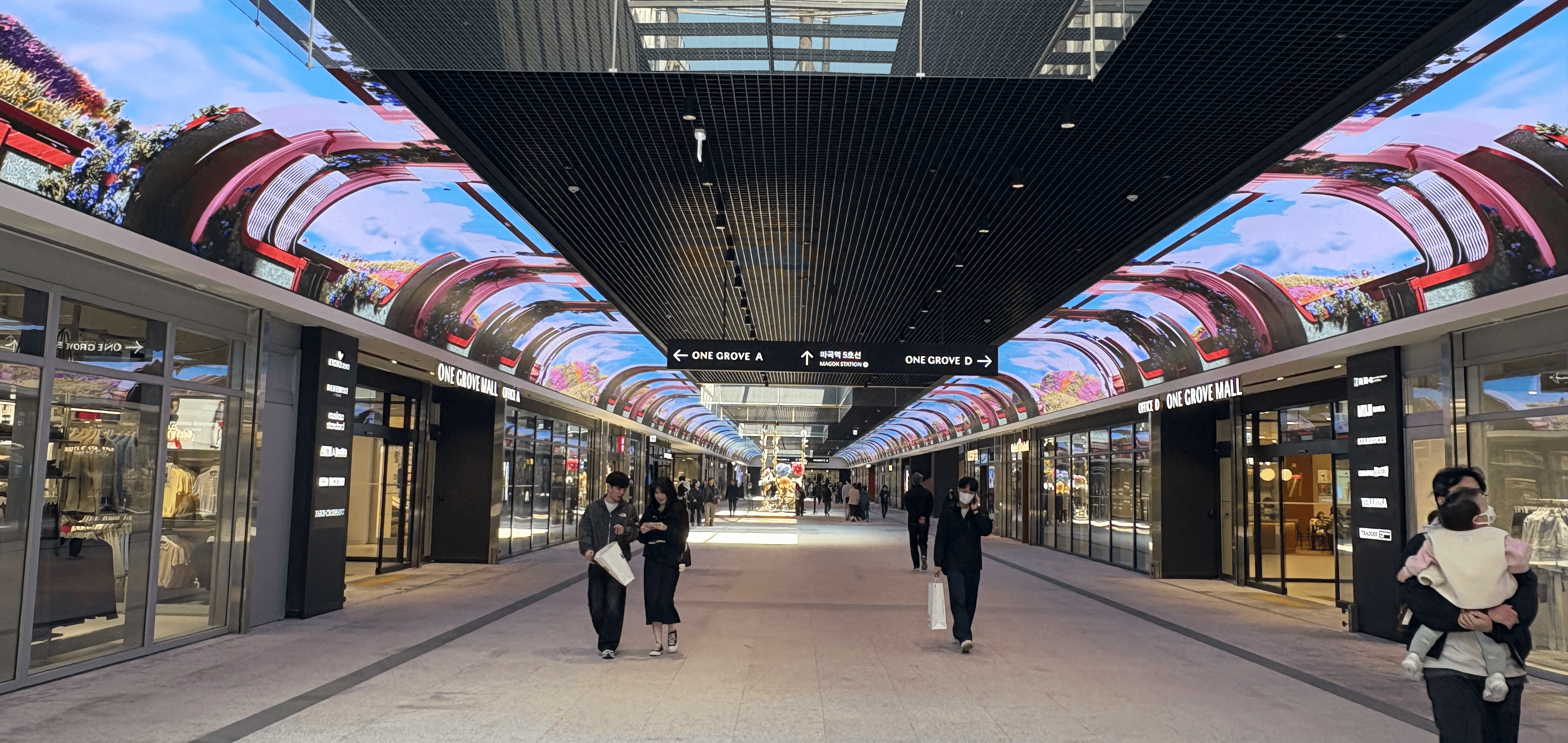
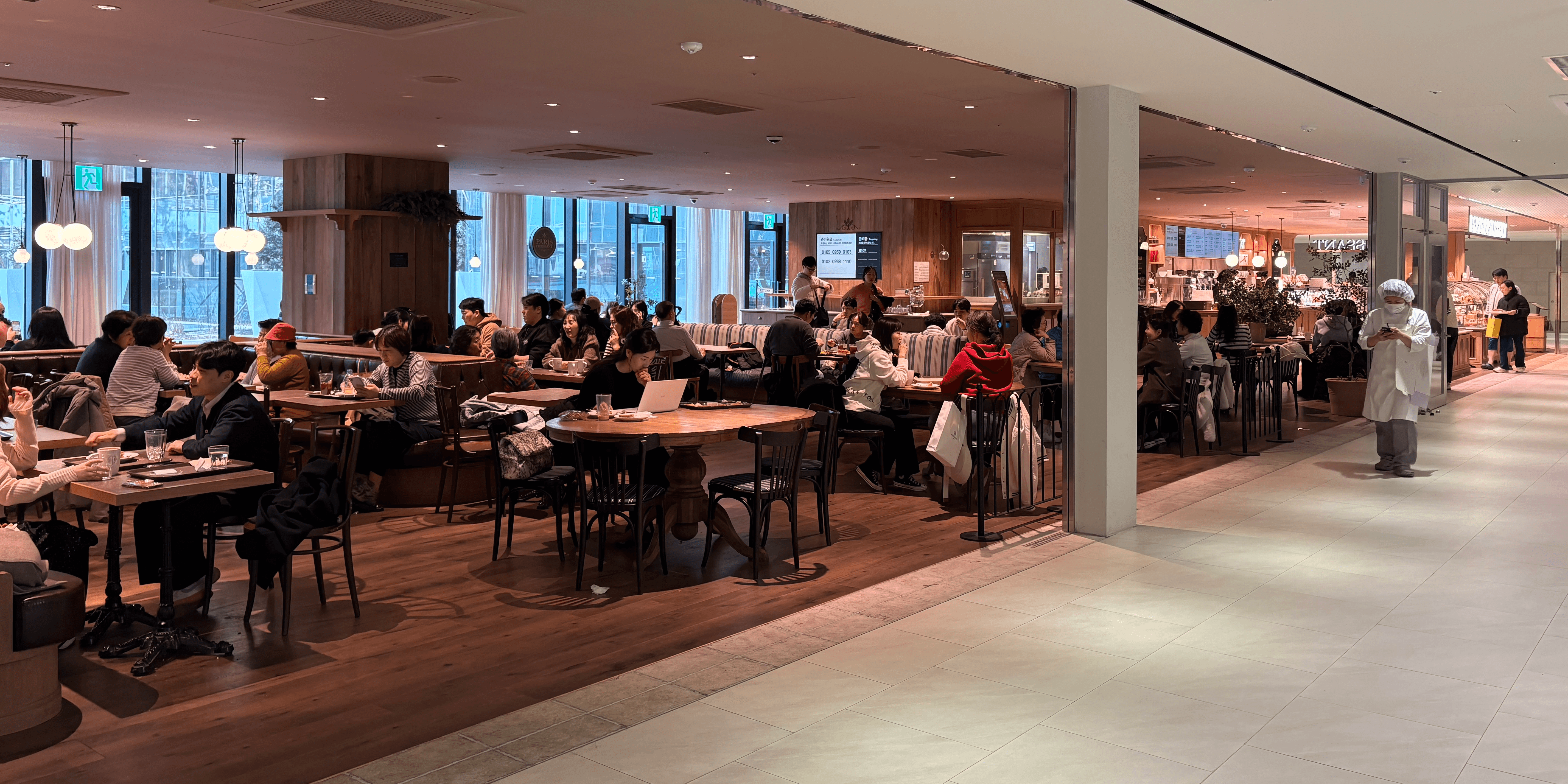
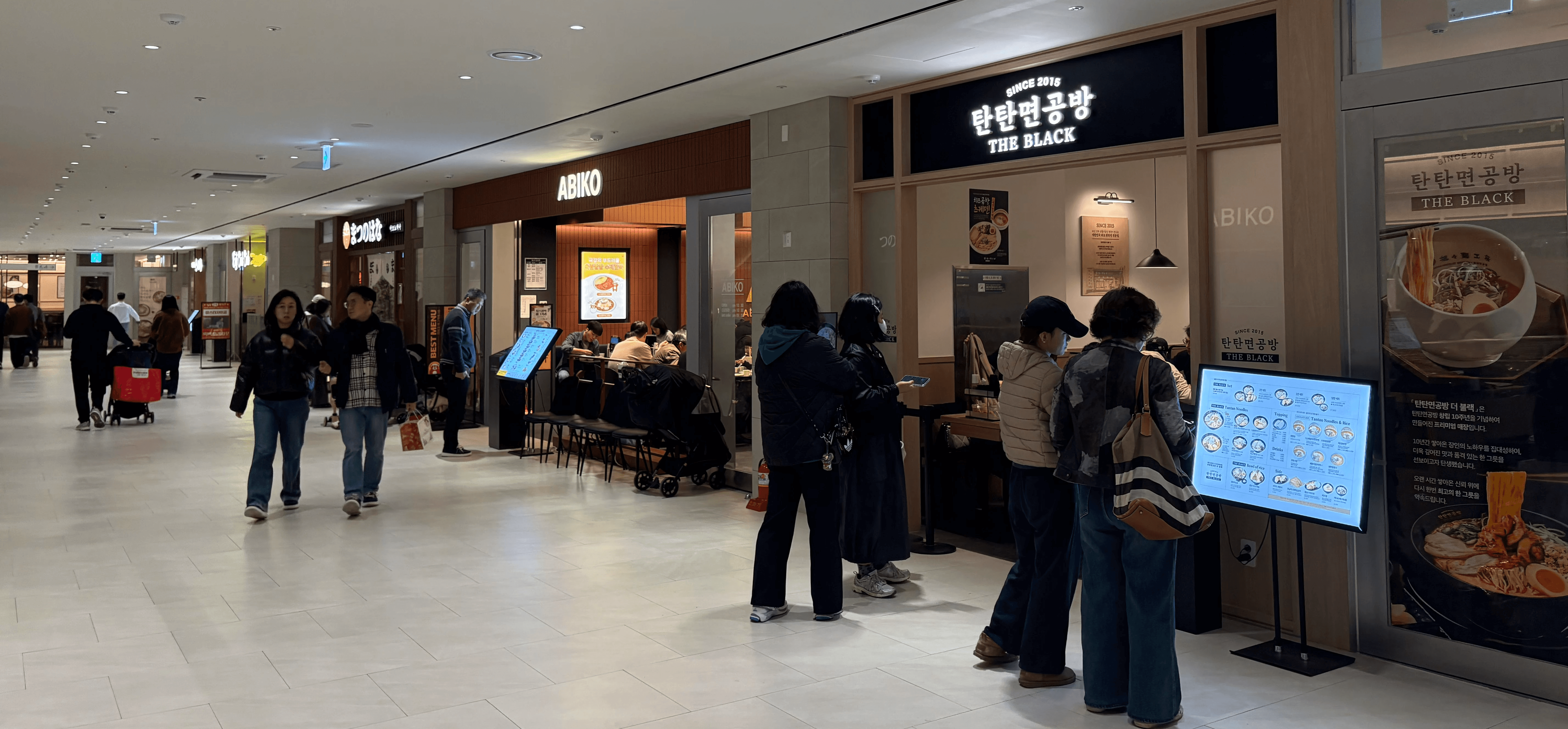
Interior view of Magok One Grove
Q. Your TR (Tenant Representative) team fundamentally represents tenants. From the landlord’s perspective, what are the points where they can tangibly feel, "They are increasing our building’s value"?
[The result of a One Team that cannot be clichéd]
From a landlord’s perspective, two things matter most in the end: rent deposited into the account now, and asset value itself. We don’t just fill vacancies—we capture both by turning buildings into destinations.
In fact, a building’s income begins at contract signing, but long-term value is determined by its name. The moment it is no longer referred to by address but by symbolic labels like "Brand A Hannam Store" or "Brand B’s largest store in Asia," the building’s status changes completely. This destination-making strategy is the surest "value-add" for lifting asset value. In this process, tenants become not just occupants, but partners who co-create the building’s value. When capable tenants enter and make large investments in interior design and content, the building’s aura itself changes.
So while our TR team acts on behalf of tenants, we also propose with precise calculations of how far that tenant’s input can raise the landlord’s asset value. On the surface, it may seem tenant-side, but in the end we move as one team with landlords—a team play that elevates the building’s class.
3. A retail snapshot of Korea from an expert
Q. One of the hottest districts in today’s market is undoubtedly Seongsu-dong. How do you view Seongsu retail?
[Seongsu catches three birds with one stone: marketing, revenue, and consumer data]
Seongsu has now moved beyond the stage of simple brand-awareness marketing. It has clearly entered an operating phase focused on actual "profit". In the early days, pop-ups dominated to reduce risk due to permitting issues and the generally old building conditions, but now test results have been proven through sales. The judgment is set: "It’s far more efficient to open a permanent store here." When brands that do not open stores just anywhere choose Seongsu, that is the clearest evidence that average transaction value and sales firepower are supporting it.
The biggest characteristic visible in Seongsu now is brands’ "select and focus" strategy. Seongsu has established itself as a place where people want to experience brands. Brands aim for impact by delivering deep experiences through flagships or showrooms, so that thinking of the brand is linked to this district. Like Tamburins bringing Seongsu to mind, or Blue Elephant bringing to mind its massive Seongsu flagship, the area is designed to create experience and memory that then drive brand consumption in other regions as well.
Q. Beyond Seongsu, which district are you watching most closely right now?
[The most distinctly Korean sensibility: Seochon and Bukchon]
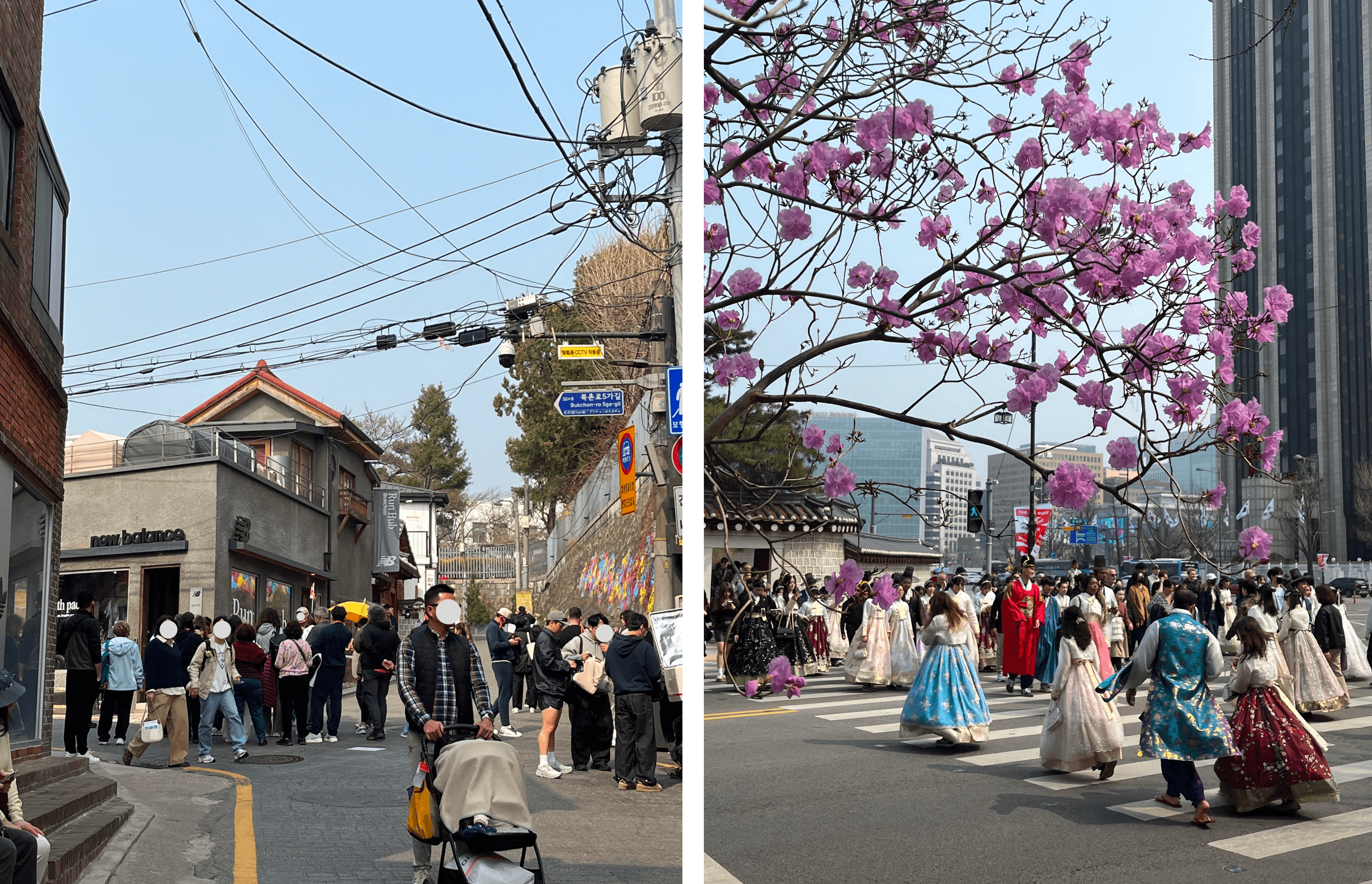
I find Seochon and Bukchon very interesting. Ultimately, a district’s vitality depends on how clearly its own "color" is defined. If Seongsu is the ultimate rough-and-trendy industrial district, Seochon has the opposite charm. Because the district itself is small and properties are scarce, it is irreplaceable for brands that love its uniquely serene and cozy grain. Its small size actually becomes a merit.
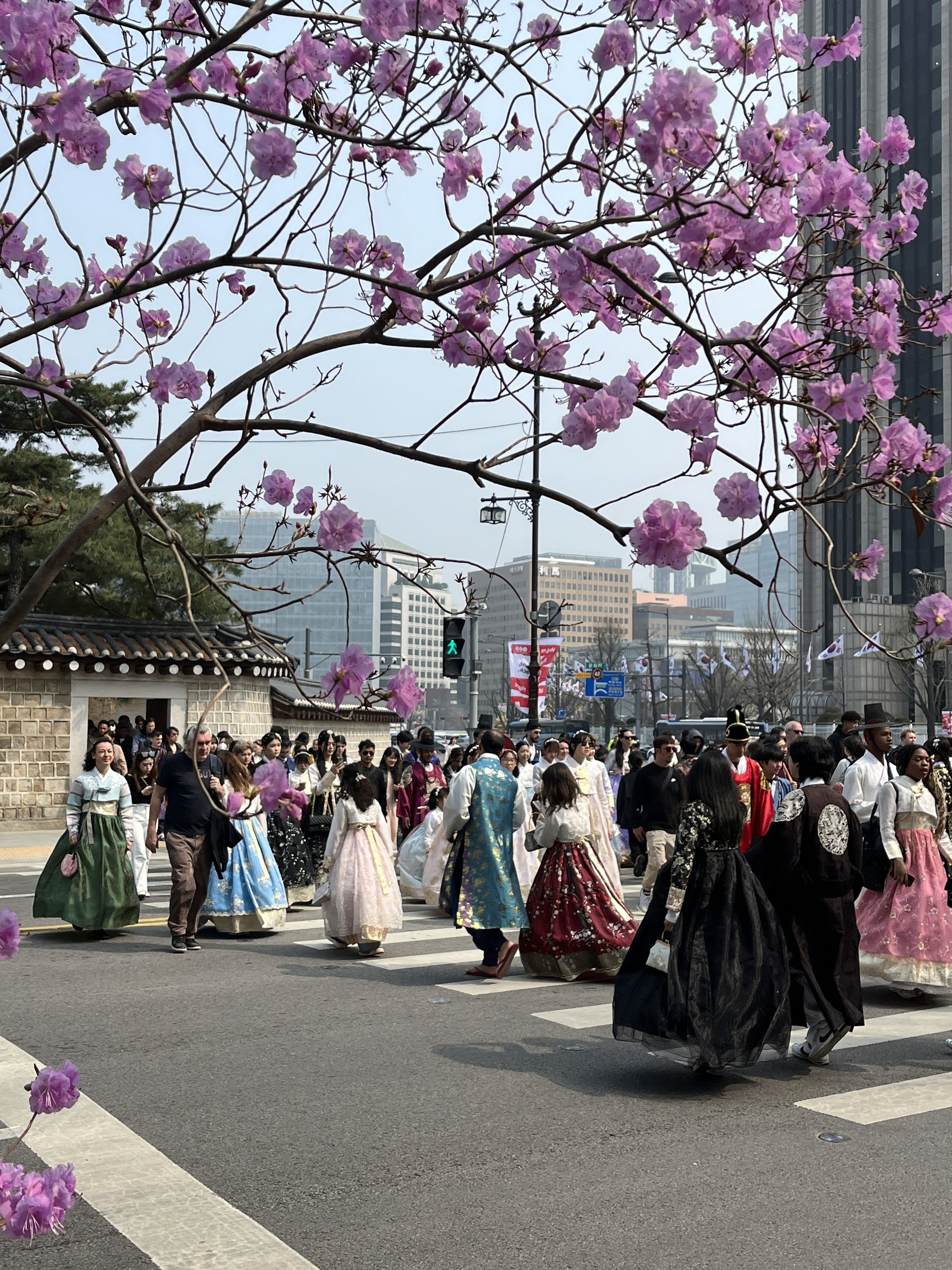
Bukchon is far more commercialized than Seochon, with overwhelmingly strong tourist inflow. It is a very smart district for capturing both sales and branding at once. In particular, these areas artfully blend Korea’s unique local mood with cultural elements such as Gyeongbokgung Palace and the National Museum of Modern and Contemporary Art. I believe they possess the "real color of Korea" that foreign visitors are passionate about.
Q. Where will retail success or failure be decided going forward?
[Who’s next?]
I believe the era of approaching the market by looking only at domestic demand is over. As I mentioned earlier, beyond how much Korean consumers spend, the ability to read foreign tourist data with precision has become the key determinant of survival. In the end, retail cannot avoid decline without global competitiveness.
In that sense, places like Seochon and Bukchon, where Korean locality is clearly alive, will become new lands of opportunity for brands. The key is not simply chasing trends, but how to reinterpret each area’s unique mood through a global lens. Reading these market flows one step ahead of others and translating them into business by combining data and sensibility—that is CBRE Retail’s unique strength, and I am confident that this entire process is ultimately proven through results.
The more data-overloaded the era becomes, the more brightly the "human sense" that reads context within it shines. From the successful launch of Magok One Grove to sharp district analyses spanning Seongsu and Bukchon, the CBRE Retail Team has fully proven itself not just as a brokerage, but as a "creator" that breathes life into spaces. By converting each brand’s unique narrative into asset value and layering refined sensibility on top of rigorous data analysis, their work is shaping a new standard for retail. It will be exciting to see what other "answers" they present in the rapidly changing global retail market.
© Copyright 2026. All rights reserved.
This publication has been prepared in good faith, based on CBRE Korea's current anecdotal and evidence based views of the commercial real estate market. Although CBRE Korea believes its views reflect market conditions on the date of this presentation, they are subject to significant uncertainties and contingencies, many of which are beyond CBRE Korea’s control. In addition, many of CBRE Korea’s views are opinion and/or projections based on CBRE Korea’s subjective analyses of current market circumstances. Other firms may have different opinions, projections and analyses, and actual market conditions in the future may cause CBRE Korea’s current views to later be incorrect. CBRE Korea has no obligation to update its views herein if its opinions, projections, analyses or market circumstances later change.
Nothing in this publication should be construed as an indicator of the future performance of CBRE’s securities or of the performance of any other company’s securities. You should not purchase or sell securities-of CBRE or any other company-based on the views herein. CBRE Korea disclaims all liability for securities purchased or sold based on information herein, and by viewing this publication, you waive all claims against CBRE Korea as well as against CBRE Korea’s affiliates, officers, directors, employees, agents, advisers and representatives arising out of the accuracy, completeness, adequacy or your use of the information herein. No part of this publication may be reproduced, quoted, distributed, or disclosed to any third party without the prior written consent of CBRE Korea.
market
Aug 24, 2026
Retail Ownership: The Era of Brands Becoming Landlords
From Leasing to Buying: The Ultimate Playbook for Space Strategy
market
Aug 18, 2026
K-Brand US Market Entry Strategy
NY vs. LA Commercial District Comparison and Retail Success Formula

market
Aug 3, 2026
The Busan Commercial District Transformed by Foreigners
The shifting consumer landscape shaped by a wave of 3.64 million people
market
May 26, 2026
2026 Retail Market Insights from the Head of CBRE Korea Retail
From Seoul to the globe, the variable determining the success or failure of retail spaces is shifting from 'where' to 'how'.

market
Apr 13, 2026
It starts with data and is completed in the field
The Essence of the 2026 Retail Market, According to CBRE's Head of Research
market
Apr 13, 2026
The End of Strata Retail?
Supply is down on paper. Vacancies are up on the ground. The hidden oversupply and structural flaw behind Korea's pre-sale retail crisis.
market
Apr 13, 2026
Two Years Locked in Permits
The real cost of overseas retail expansion without a project management framework — why permit risk has to be resolved before the lease is signed.
market
Apr 13, 2026
From Supporting Role to Lead: Office Retail
From basement canteen to asset value driver — fifteen years of structural change in Seoul's office building retail, from Centre One to Olive Young N Seongsu.

market
Apr 13, 2026
Why Gut Instinct Kills Your Flagship Store
Thirty-one retail real estate practitioners rank what actually determines flagship store performance.

market
Apr 13, 2026
Know Anyone Good to Set Me Up With?
How leasing decisions are actually made in Seoul's most competitive retail districts — and why the broker in the middle determines the outcome.
market
Apr 13, 2026
New Era, New Areas
Korean brands are going global. The ones that make it understand one thing first: overseas leasing is a credit game, not a rent game.

market
Apr 13, 2026
It's Not That They're Not Spending
Why foreign visitor spending data is replacing card transactions as the next frontier in retail intelligence.
market
Apr 13, 2026
You are so Beauti-cal
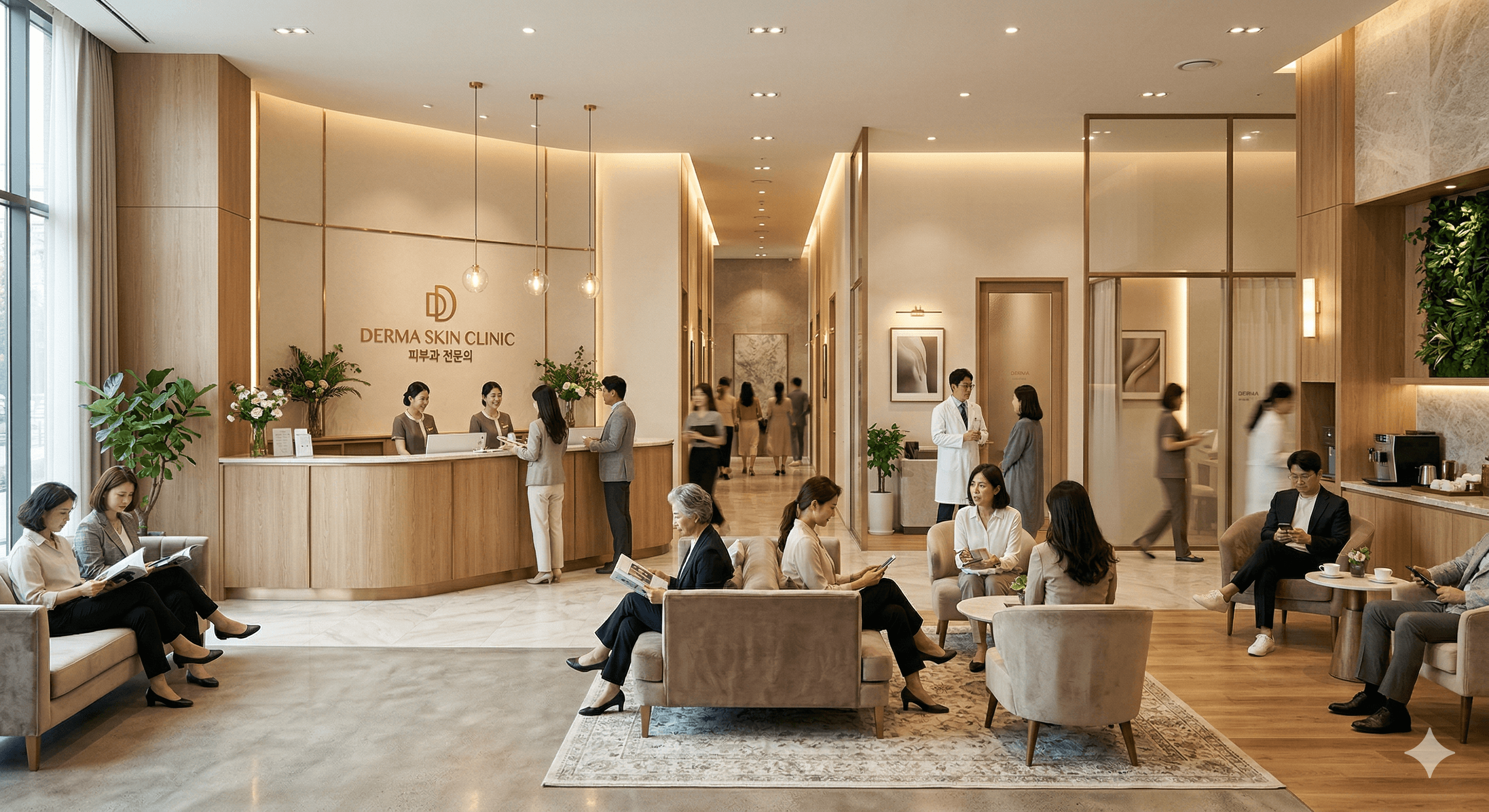
Dermatology clinics are now the most sought-after anchor tenants on Gangnam street