The Seongsu-dong Alley Chosen by Supreme
The place that CBRE Korea Retail kept an eye on in 「Retail Insights Note Vol. 1」 is none other than Seongsu-iro 7-gil. As we previously predicted amidst the saturation of Yeonmujang-gil, the center of gravity of the Seongsu commercial district is clearly shifting from the main billboard avenue to this side alley. The landing of Supreme marks the climax of this change. The process of a box factory that had been printing boxes for about 20 years transforming into the first retail space of a global street brand is a symbolic inflection point for the neighborhood of Seongsu. For players confident in a brand’s ability to attract crowds, the side alley off Yeonmujang-gil is not a weakness, but rather the most perfect stage to reveal its true essence.
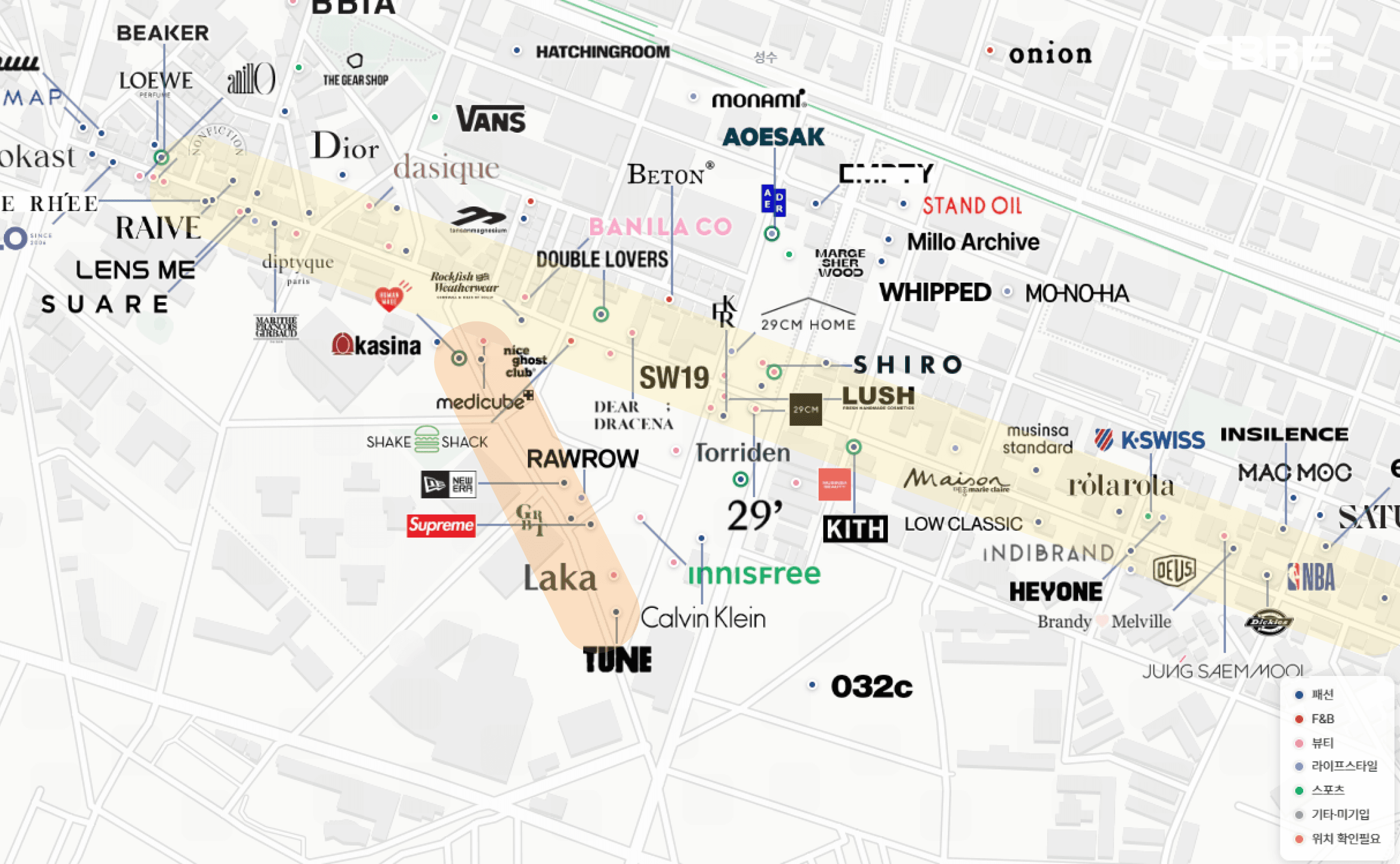
On the Seongsu map, the crowd that used to flow along the long stretch of Yeonmujang-gil (yellow) is now expanding like a spiderweb along the back alleys, through Seongsu-iro 7-gil (orange) to Kasina, Human Made, Medicube, New Era, and Supreme.
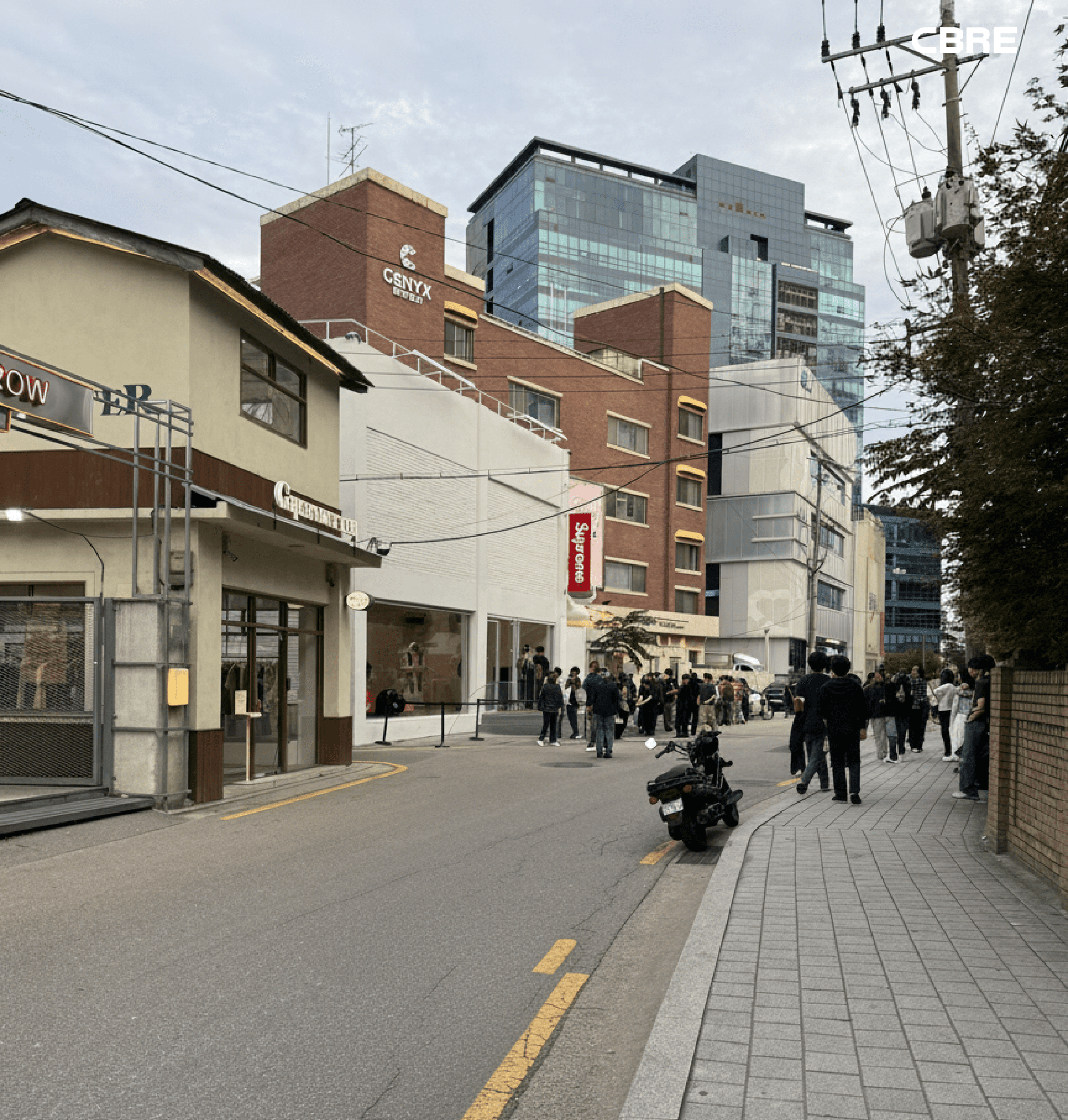
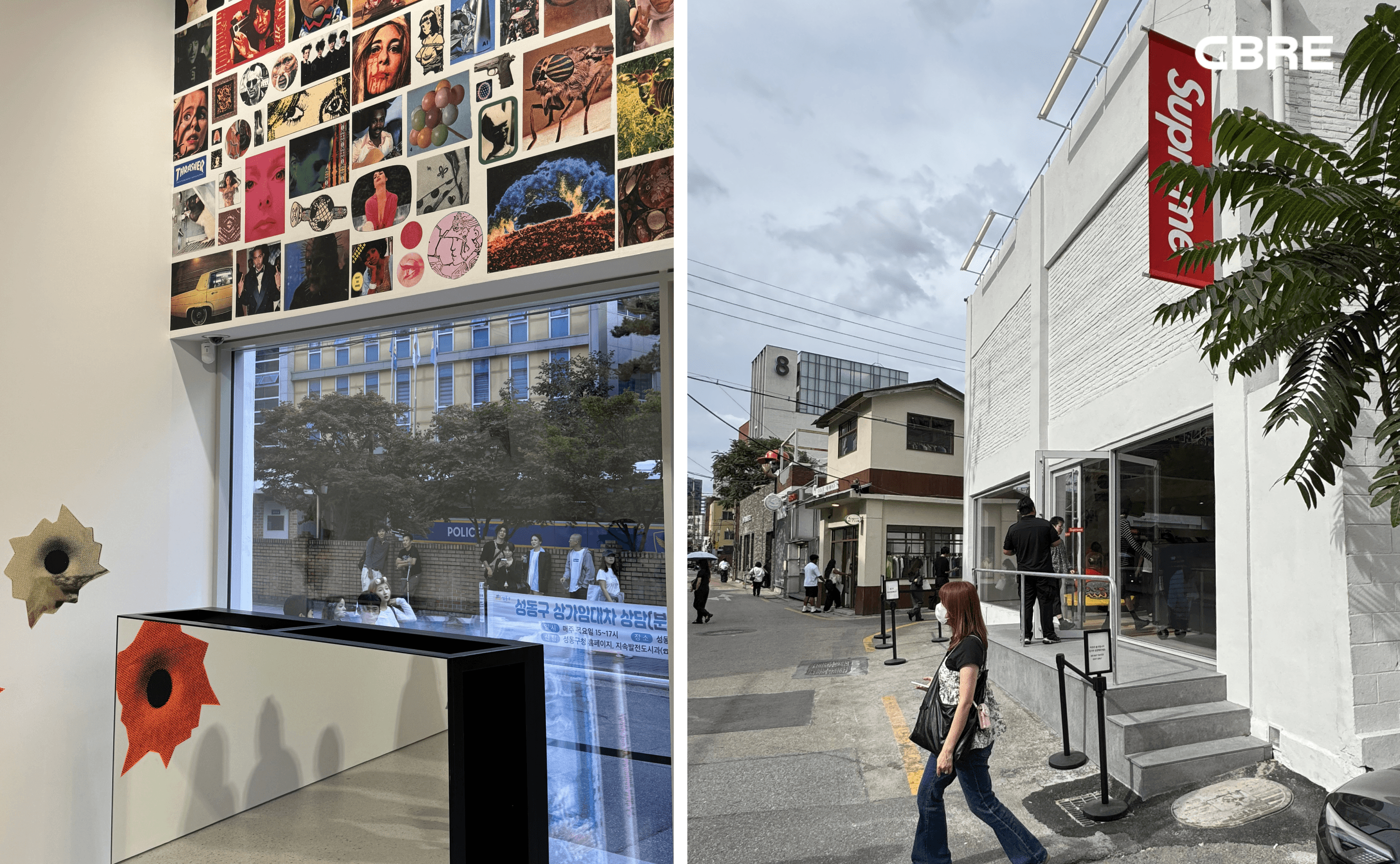
Stepping away from the bustling Yeonmujang-gil into a quiet back alley, the global street brand Supreme has newly settled at the end of Seongsu-iro 7-gil.
Why the Alley Now: Limits of Main Avenues and Cost Pressures
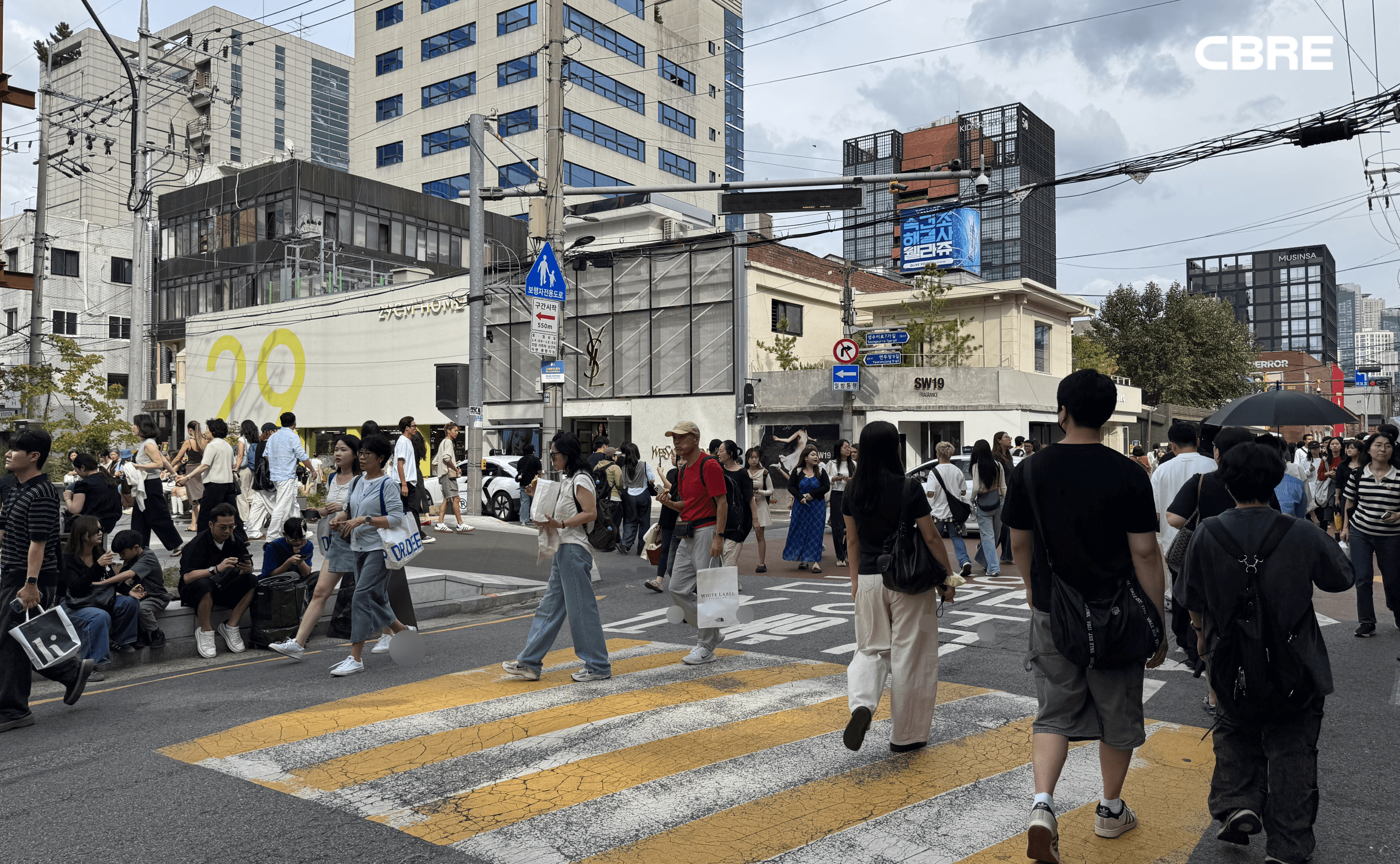

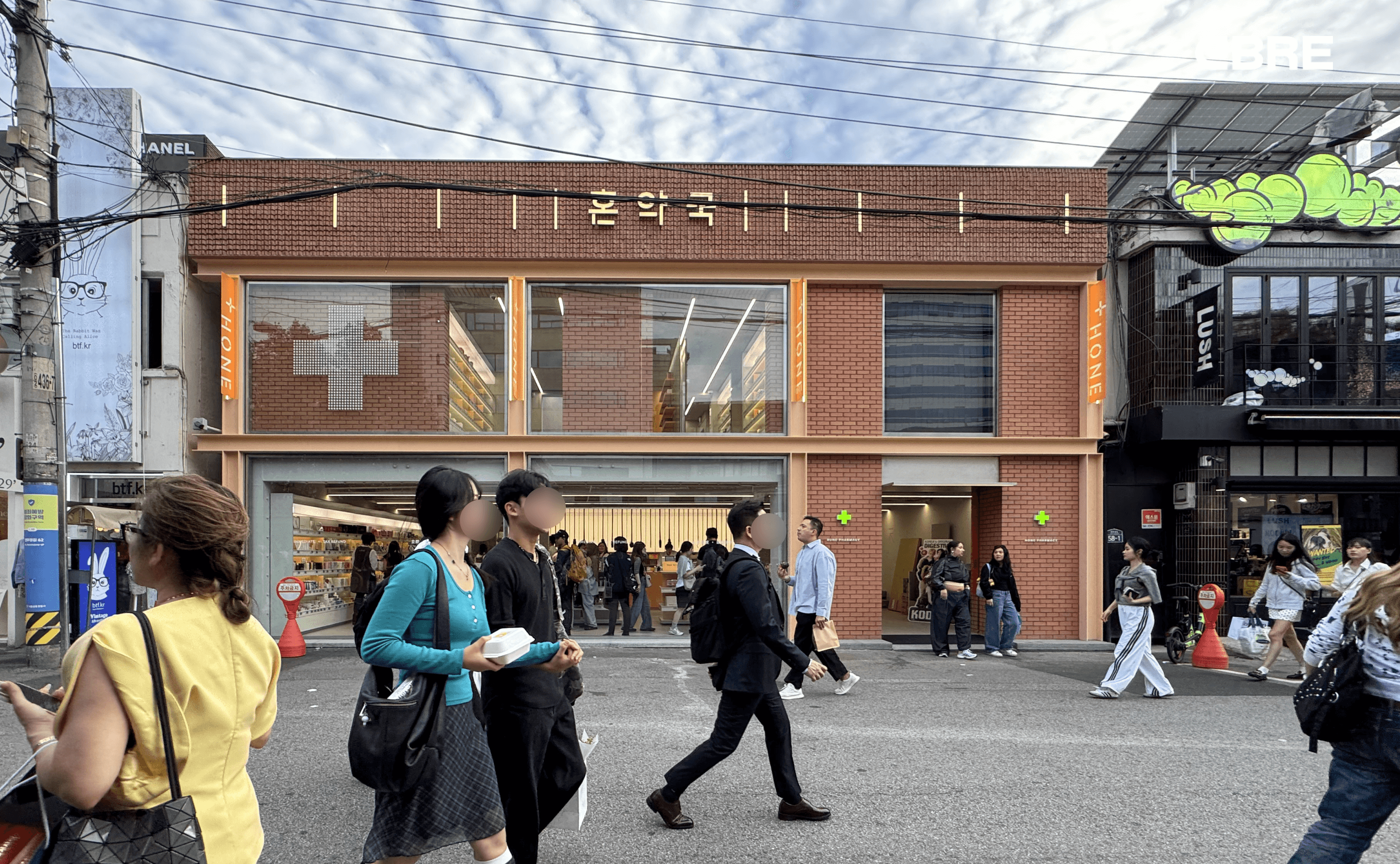
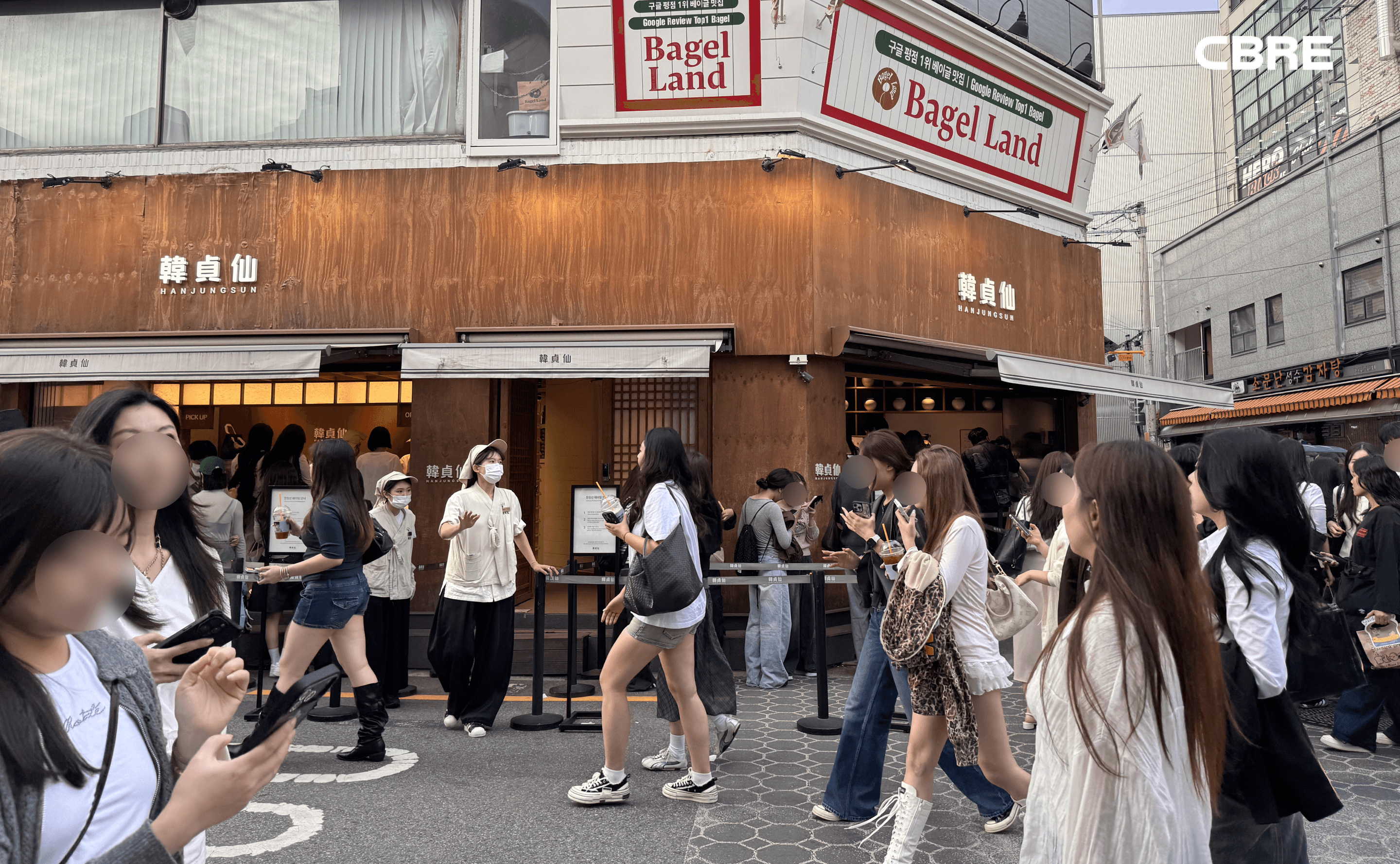
Yeonmujang-gil is filled with energy instead of weekday afternoon leisure, and the main street of Seongsu is bustling with crowds even on a Thursday afternoon.
Yeonmujang-gil, Seongsu’s signature street, has already entered a saturation phase that far exceeds its capacity. For brands aiming for new entry, matching the asking prices for purchase or rent has already crossed the line of being burdensome. The available space is small and limited, but the structure has become one where the annual sales volume generated from that space must reach billions to tens of billions of won to make sense. Unable to withstand the burden of renting, even if they turn around to buy a building instead, the asking price for sale in this area as of September 2026 is between 600 million and 700 million won per pyeong, far exceeding common sense.
Recall the days when Sinsa-dong Garosu-gil, which was explosively popular in the past, reached its peak. The success of that time met its limit as it was consumed without seeping deep into the side alleys behind it. However, Seongsu has a completely different and unique DNA. Potentials of completely different tones are diversely dispersed in every corner and alley of the neighborhood, and rather than the artificial development traces of the main avenue, the inside of these alleys perfectly preserves the raw heavy-industrial mood and industrial texture that Seongsu possessed in the past. This is why brands, hit by the skyrocketing cost pressure of the main avenue, have no choice but to turn their eyes to these undervalued side alleys to protect the unique sensitivity of Seongsu while fully dressing the brand's unique narrative.
A Destination-Type Location to Visit, Not a Path to Pass By
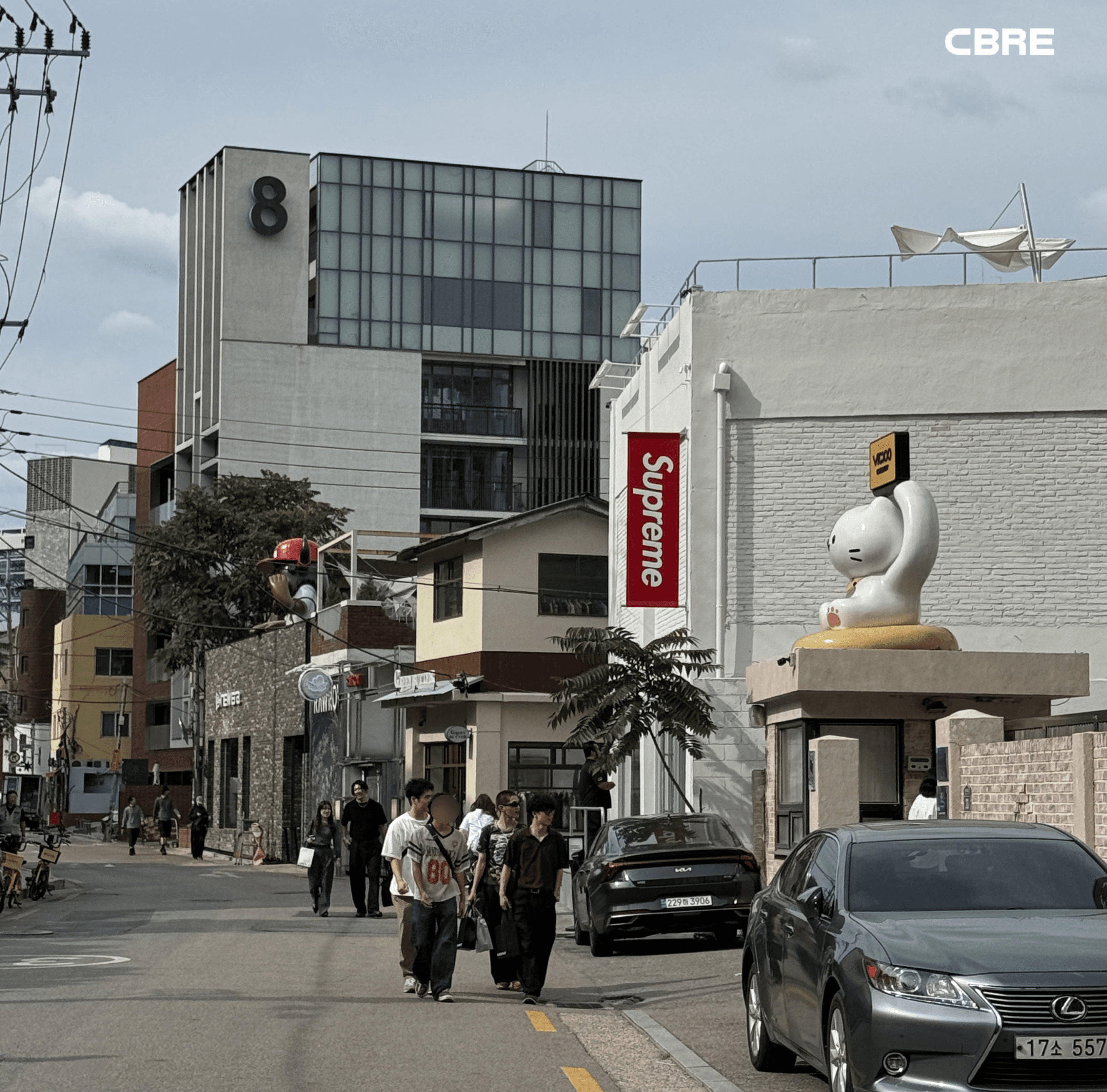
With Supreme (9/12) and New Era (9/18) opening one after another along Seongsu-iro 7-gil, the floating population concentrated on Yeonmujang-gil is naturally flowing into this side alley.
Seongsu-iro 7-gil is geographically close enough to be reached within just a few steps from the main Yeonmujang-gil, but it stands precisely away from the breathless noise of the bustling main street. This kind of location is the condition that global street brands search for desperately when establishing a store. A simple pedestrian road where an unspecified majority passes by mindlessly is insufficient to convey the deep philosophy of a brand. They want a "destination-type location" where they can perfectly implement the brand's identity and make consumers visit with a clear sense of purpose, rather than just drifting in.
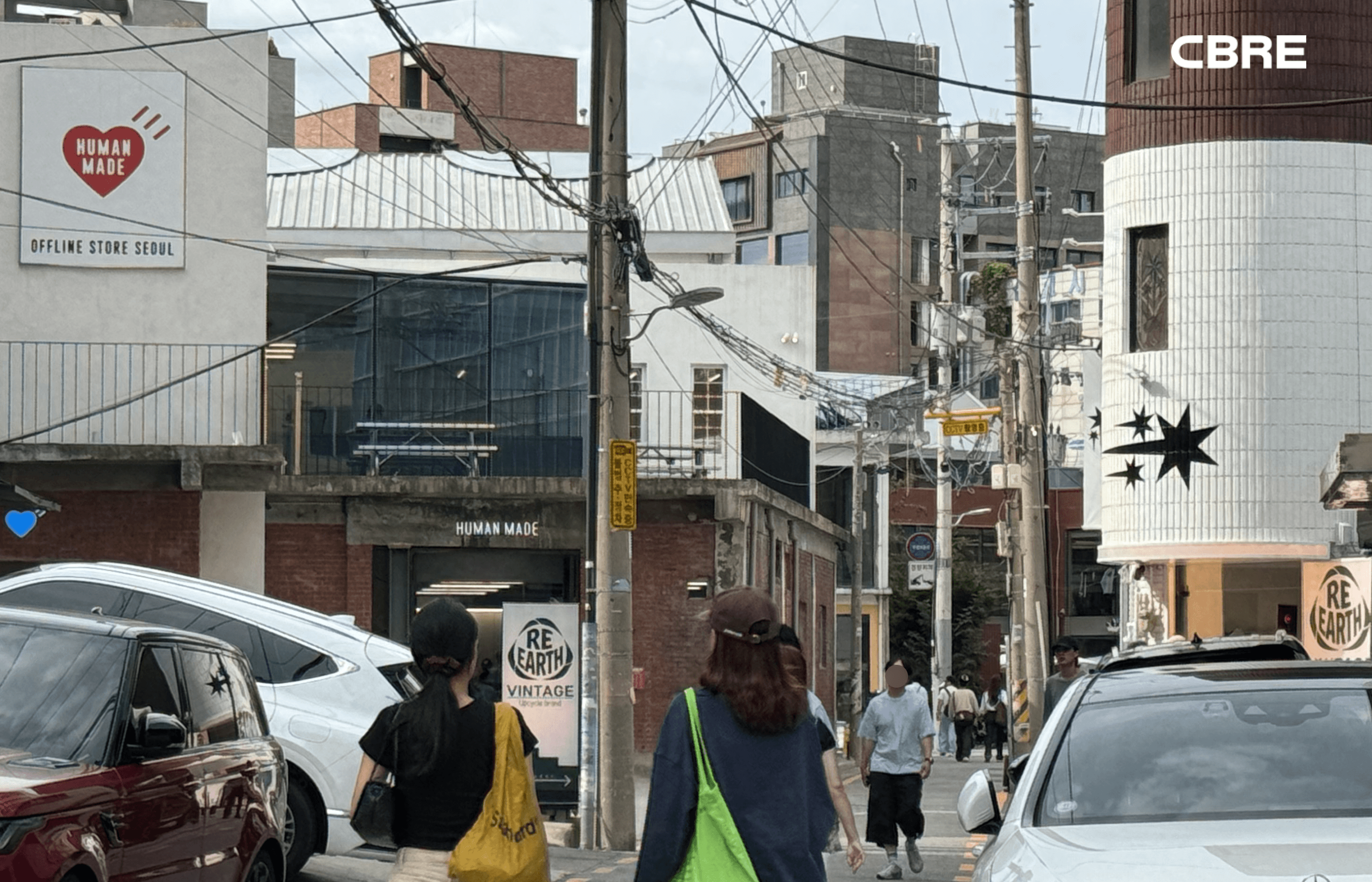
Human Made, Kasina, and Medicube, which settled early on Seongsu-iro 7-gil, are also acting as anchors to absorb the crowds of Yeonmujang-gil into the back alleys based on their clear fandom.
The reason this alley is so fascinating is because the raw industrial texture of Seongsu's prototype, which cannot be artificially crafted even with the power of capital, is alive, and at the same time, a solid retail ecosystem that has already been strongly established exists. Highly reliable anchor brands such as Kasina and Human Made have already built a solid base, and on top of this, large offices and the Krafton headquarters are planned to join nearby, giving the secondary demand and synergy between commercial districts generated by this area an explosive power beyond imagination. Consumers tired of the extreme congestion and fatigue of the main avenue, joined by brands solidly positioned as destination-type locations, are firmly completing the mechanism of naturally moving their footsteps deep into this back alley.
New Era's Choice and Location Level-up
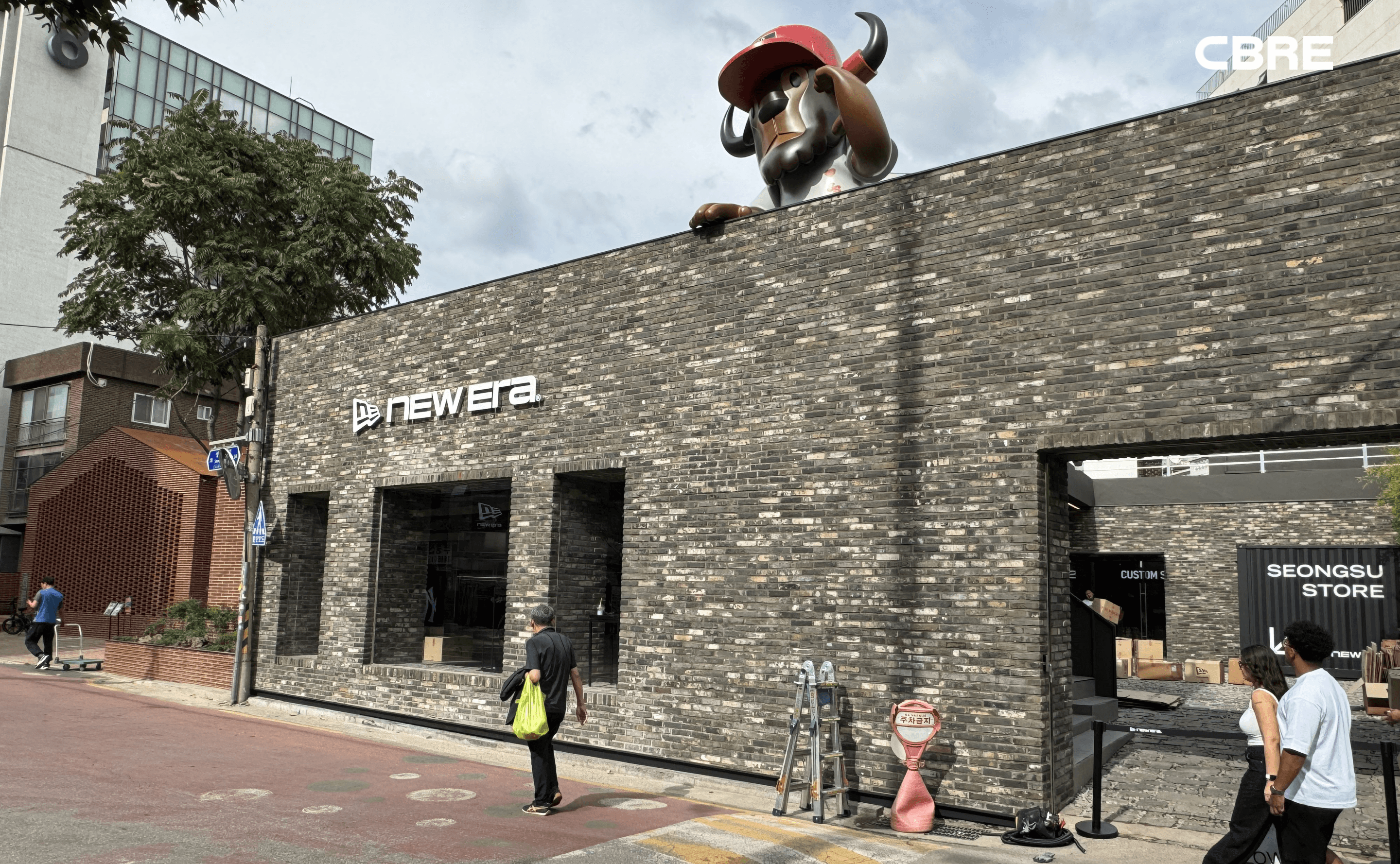
By preempting the spot where Gentle Monster used to be as its flagship location, New Era secured a symbolic landmark base in Seongsu-dong and upgraded the brand's status.
Despite achieving continuous sales growth and an increase in brand power, the fact that there was no symbolic landmark flagship store worthy of the brand's status was always a regrettable homework for New Era. In the level-up phase where the brand needs to take a leap forward beyond just increasing the number of stores, New Era also paid attention to this alley. The very spot where Gentle Monster first laid the groundwork and engraved the potential of this site into the world has now evolved into an essential symbolic location that heavyweight brands like New Era must pass through. New Era's move to confirm its entry into Seongsu-iro 7-gil through swift and bold internal decision-making proves that this side alley is more than just an alternative site, but the most certain holy ground that proves the brand's status.
Where is the Inflow of People Heading: The Next Destination of the Side Alley
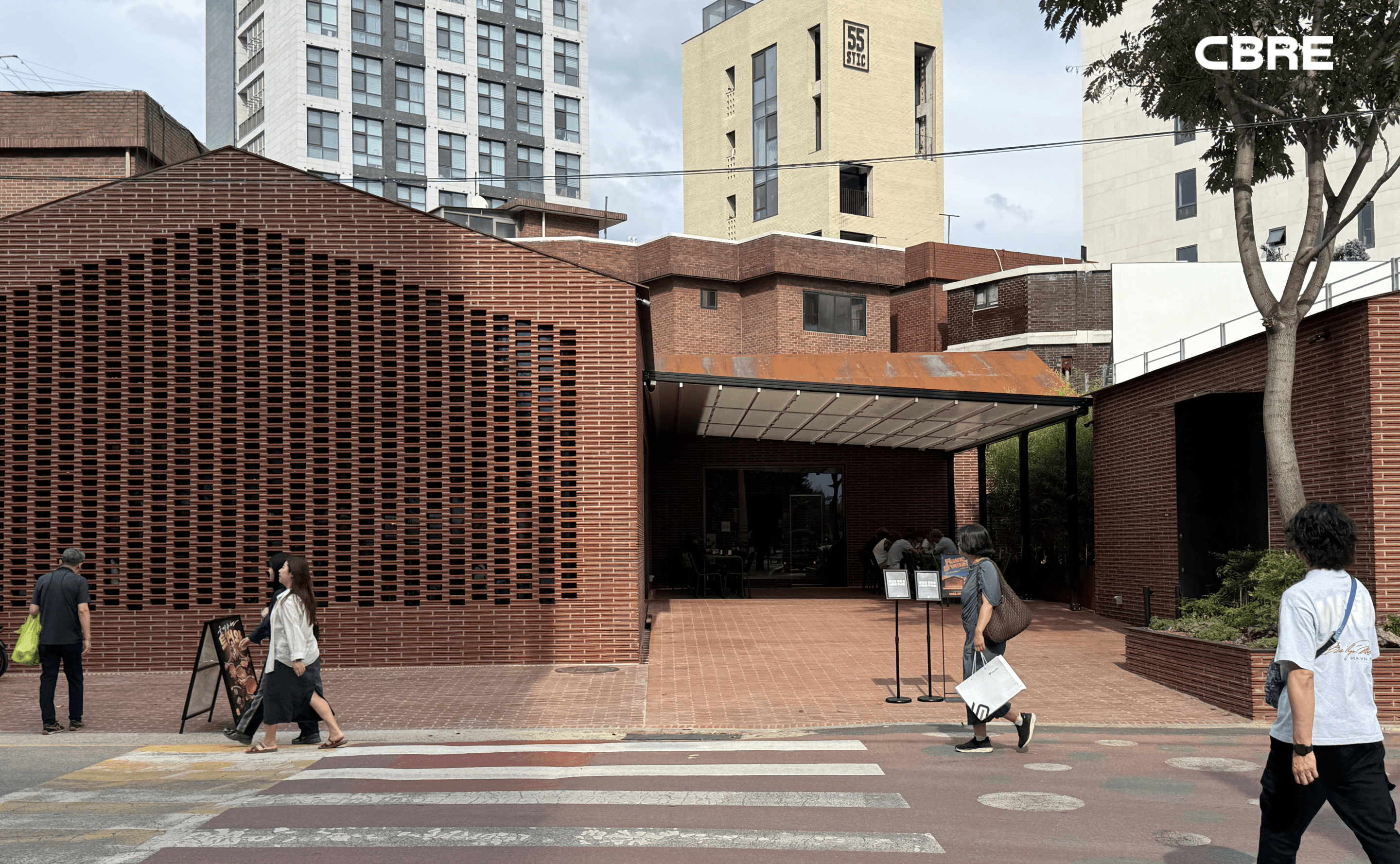
The Burger King flagship located on Seongsu-iro 7-gil drew great attention with its unconventional space concept in the early stages of opening, settling as a unique crowd-attracting spot in the back alley.
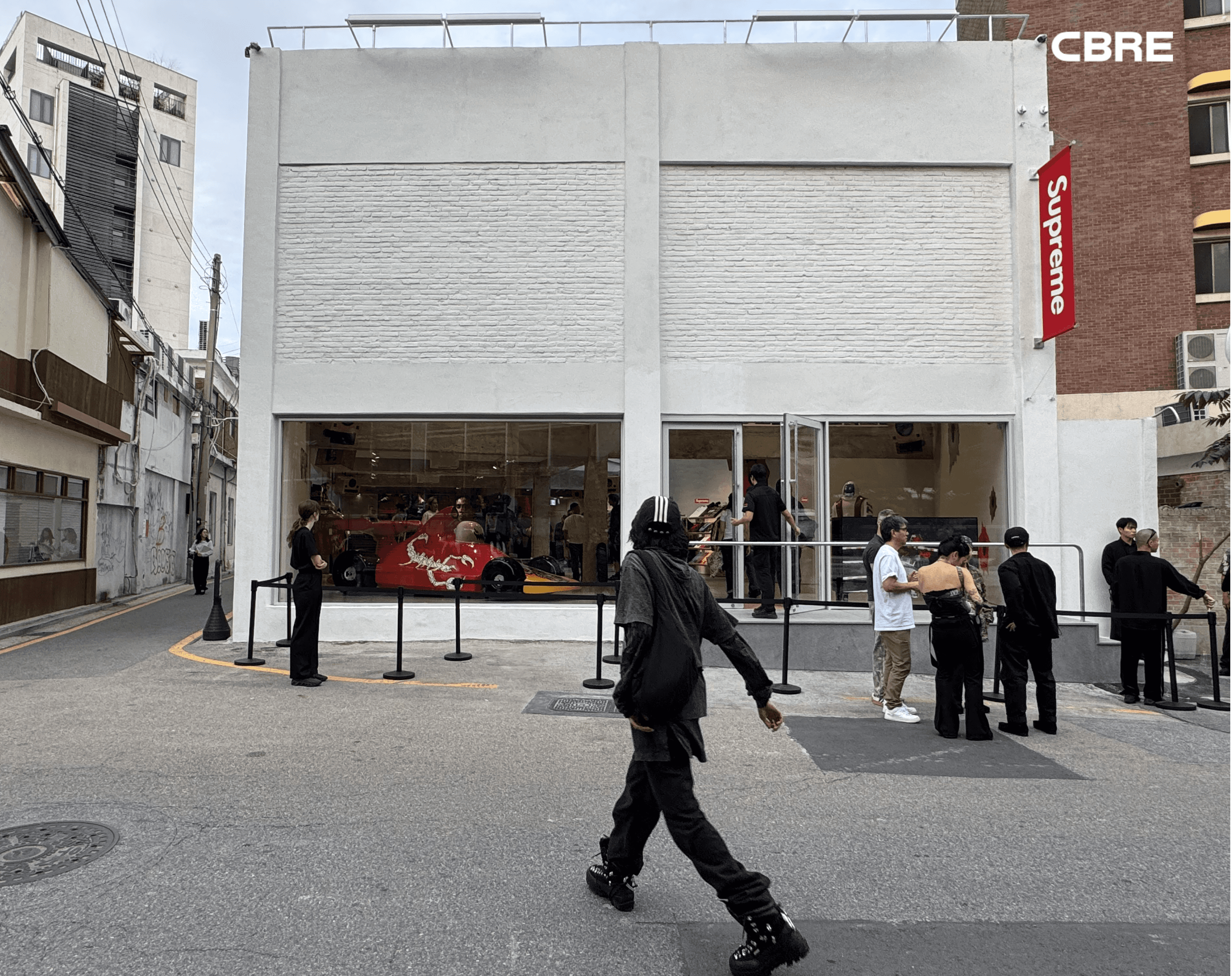
Watching the unique fashion of visitors coming and going in front of the Supreme store is another interesting point to observe only on Seongsu-iro 7-gil.
There is another most strategic and important point to keep an eye on here. Where on earth does the massive floating population that has flowed into this alley to consume destination-type brands with the ripple effect of Supreme disperse after finishing looking around the store? People who flowed into this side alley tired of the suffocating crowds of Yeonmujang-gil and those who visited brands like Supreme naturally crave the next path and space to stay after leaving the store. At this point, the direction of the flow diverges. Curiosity about the next destination—whether the floating population pushed into this alley will spread like a spiderweb into the deeper back alleys to the south, or expand to a completely new base—is multiplying fiercely starting from Seongsu-iro 7-gil. It is a living textbook showing how a brand's ability to attract crowds diversifies the landscape of a commercial district.
A Retail Ecosystem Where Local and Global Coexist
Seongsu-iro 7-gil and its nearby side alleys have not transformed simply into a battlefield for giant brands with capital power. The real charm of this alley lies in the solid and vital local F&B ecosystem closely woven within it. In the alleys of Seongsu, places like 'Sofa', which presents gelato and natural wine together and keeps countless foreign tourists visiting and staying regardless of nationality, as well as Maman Gelato, Coffee Nap Roasters, Hachi Bakery, and I'm Donut?, form a close solidarity of attractions that make people stop in their tracks. The most ideal and differentiated retail ecosystem, which can only be completed in a place where stay-type consumption—where people stay in a space for a long time to achieve a purpose, rather than short-term consumption and visits—accumulates, is breathing in this side alley.
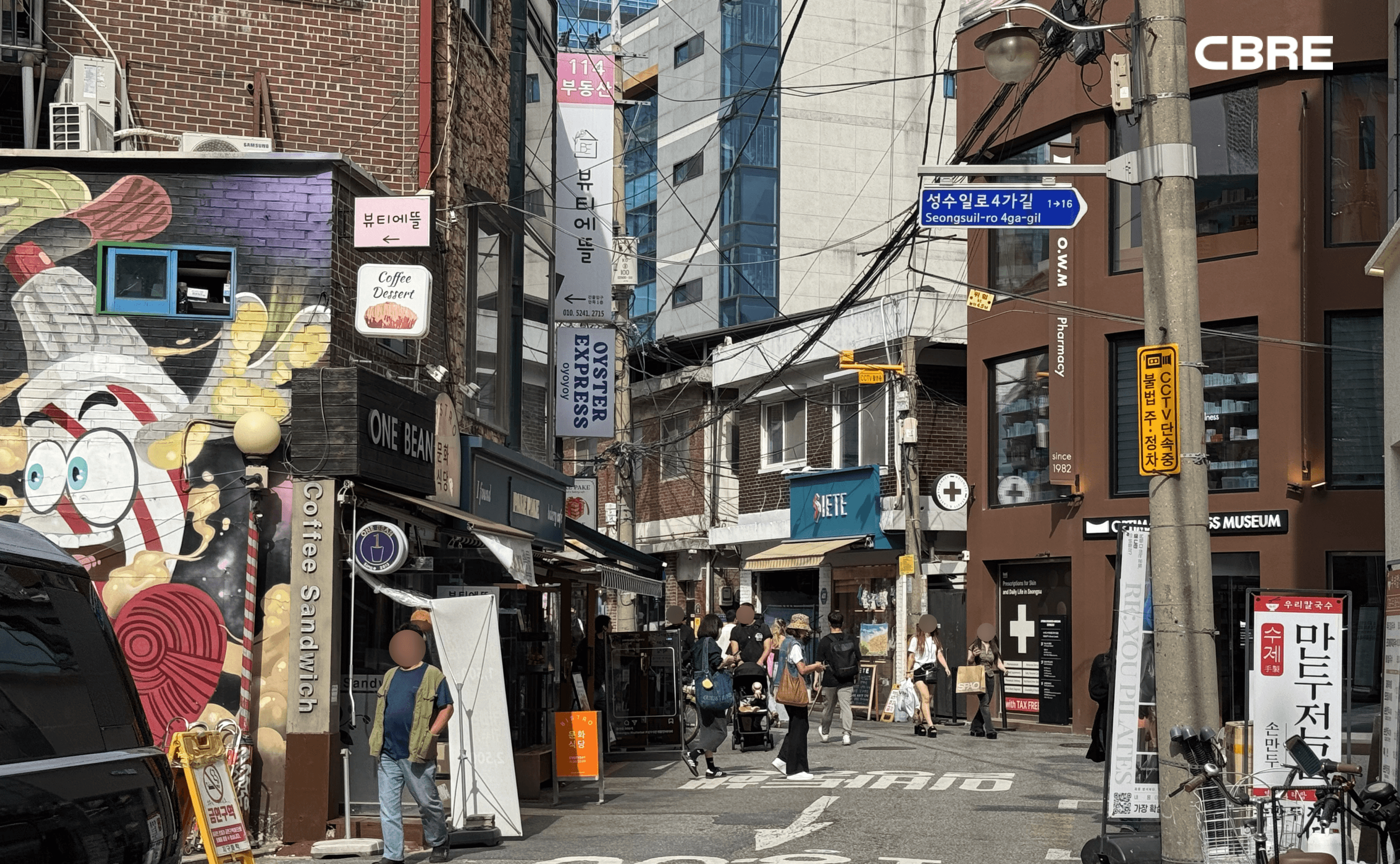
Leaving the bustling Yeonmujang-gil and entering the side alley, sensational F&Bs located in every corner of the alley are expanding Seongsu's horizon.
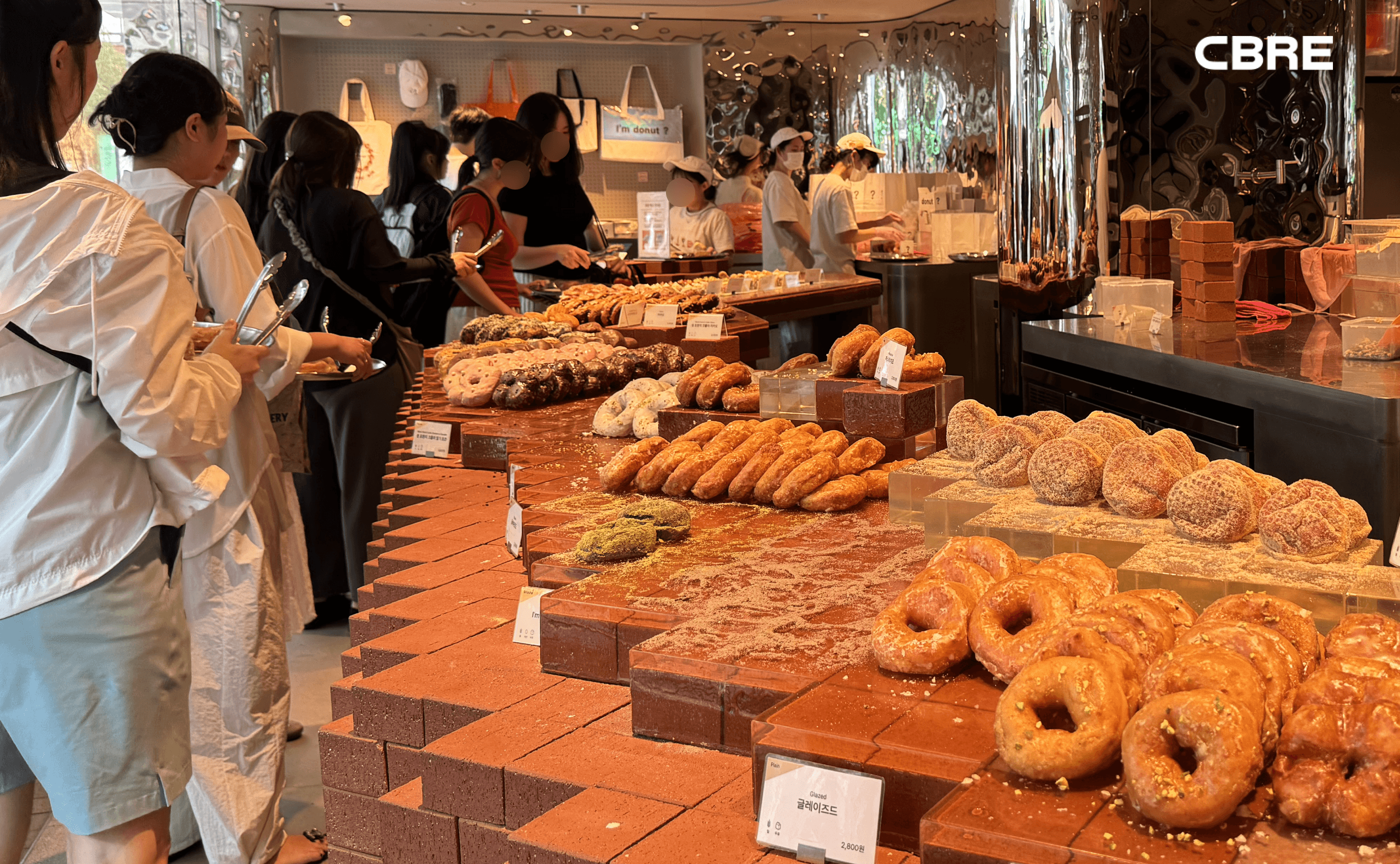
I'm Donut? is also acting as a destination-type F&B that leads footsteps, breathing vitality into the overall alley.
Ultimately, the expansion of Seongsu does not take place as a reckless extension of a single main avenue. The formula of Seongsu, which was summarized only by one main street and billboard commercial district, is no longer valid. Now, Seongsu has begun to write different narrative sentences as it expands into every alley and into a new territory called North Seongsu. The harsh rent pressure of the main avenue pushed brands into the side alleys, but paradoxically, the unique identity of the brands and the explosive power of the loyal floating population are shining much more clearly and intensely not on the bustling roadside, but inside these newly expanding alleys. The next chapter of the Seongsu commercial district will be most clearly and accurately answered by these side alleys of Seongsu, where Supreme opened its doors and New Era dropped its anchor.
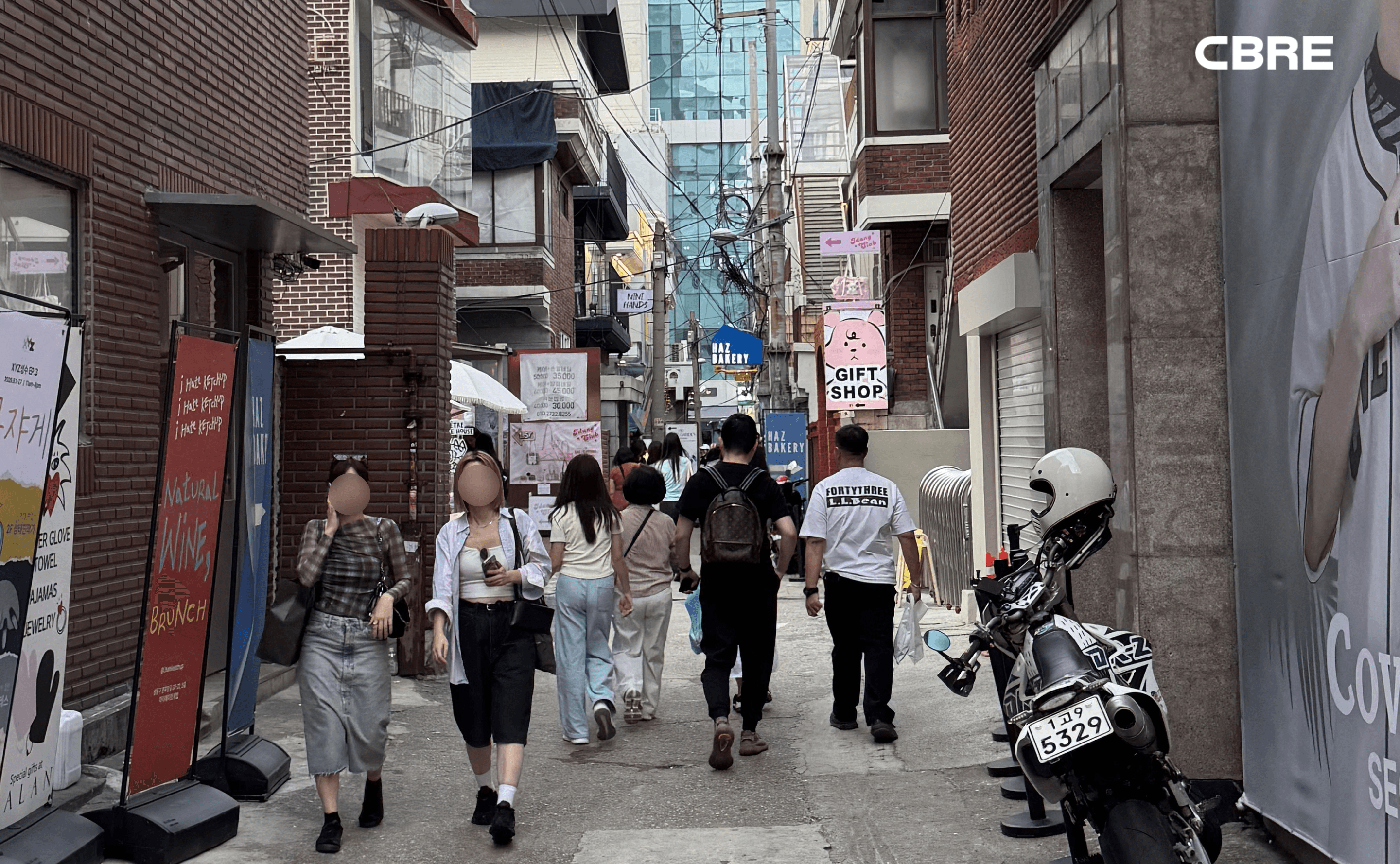
Seongsu shows the structural scalability of expanding into back alleys beyond the physical limits of the main avenue, and fundamentally reshapes the traditional spatial terrain of the Korean high street, showing a new retail phase never faced before in the domestic market.